As an Amazon Associate, we earn from qualifying purchases. Some links on this site are affiliate links at no extra cost to you. Our recommendations are based on thorough research and editorial judgment.

Understanding Voltage Requirements for LED Flashlights

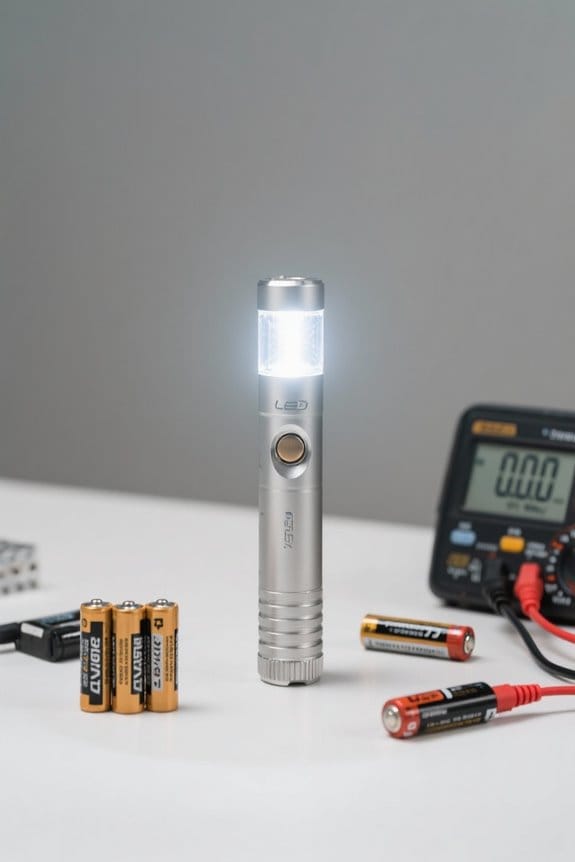
LED flashlights generally operate between 1.5 volts, typical for AA batteries, and 12 volts in advanced tactical models, with many standard units optimized around 3 to 3.7 volts from lithium-ion cells to maximize brightness and circuit stability. Correct voltage matching guarantees consistent lumens output, prevents flickering or overheating, and prolongs LED lifespan. Measuring voltage with a multimeter verifies battery health and flashlight compatibility. Understanding these fundamentals enhances performance and reliability for varying flashlight applications. Further details reveal insights into voltage regulation and battery selection.
Key Takeaways
- LED flashlights typically require voltages between 1.5V and 12V, with common operating voltages of 3V or 6V.
- Using the correct voltage, such as 3.7V lithium-ion cells, maximizes brightness and maintains optimal flashlight performance.
- Operating a flashlight outside its recommended voltage range can cause flickering, dimming, overheating, or permanent damage.
- Voltage regulation circuits like PWM help maintain stable brightness and protect LEDs from voltage fluctuations.
- Proper battery maintenance and matching voltage ensure long-lasting flashlight operation and prevent thermal or electrical issues.
What Voltage Range Do LED Flashlights Typically Use
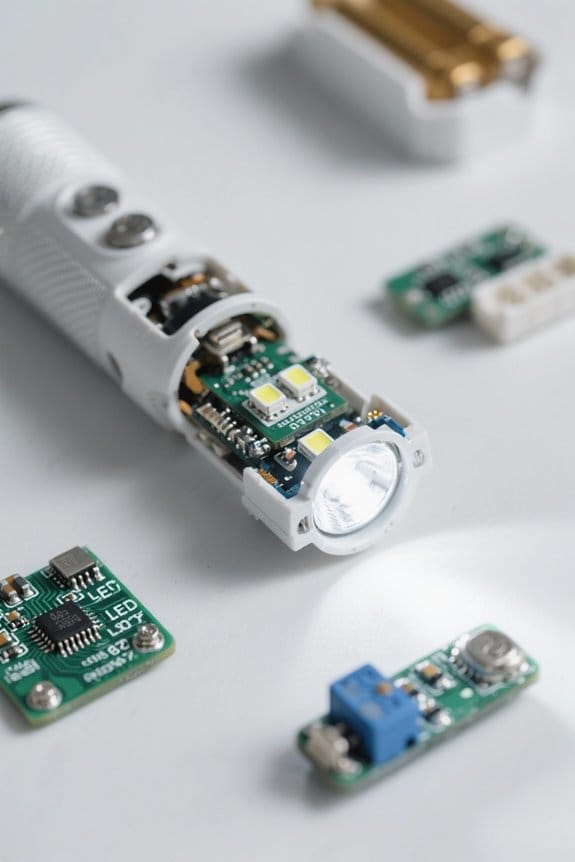
What voltage range do LED flashlights typically require to operate effectively and safely? LED flashlights generally use voltage requirements spanning from 1.5 volts to 12 volts, while most common models function at either 3V or 6V power sources. The selected power source, such as AA batteries providing 1.5V, 18650 lithium-ion cells at 3.7V, or CR123A batteries supplying 3V, directly influences these voltage requirements and compatibility. Advanced LED flashlights often accommodate variable input voltages, typically ranging between 2.7V and 4.2V, to guarantee ideal performance across different battery types. Higher-voltage 12V systems, though less common, find application in large tactical or vehicle-mounted LED flashlights, enabling increased output for demanding illumination needs. Proper adherence to these voltage requirements prevents damage and guarantees long-term operational stability. For outdoor lighting systems, durable IP65-rated housings are recommended to ensure weather resistance and longevity.
Recommended Products

High-performance batteries, optimized for high-drain use in flashlights

No Standalone lithium batteries are sold with the product

BEST ON THE MARKET: HIGHEST CAPACITY AVAILABLE 1700mAh (compare at 1500mAh, 1550mAh and 1600mAh) Replaces now discontinued Evergreen CRP2
How Voltage Affects LED Flashlight Brightness and Performance

How does voltage precisely influence the brightness and overall performance of LED flashlights? The voltage of the LED directly impacts the lumens output, as higher voltages within the typical 3V to 12V range generally produce brighter illumination, enhancing performance. For example, a flashlight powered by a 3.7V 18650 lithium-ion battery typically delivers greater brightness than one using 1.5V AA or AAA batteries, reflecting voltage’s role in determining intensity and runtime. It is crucial to ascertain the bulbs voltage aligns with the manufacturer’s specifications to maintain ideal lumens output and prevent inefficiencies. Most LEDs typically have long lifespans exceeding 50,000 hours which contributes to their energy efficiency and reliability. Proper voltage matching enables the flashlight to operate within its designed parameters, thereby maximizing durability and consistent brightness without risking performance degradation or flickering often related to voltage mismatches.
Recommended Products

Beam Shaping Diffuser Included: 1 pc Twist-On Beam Shaping Diffuser comes with the flashlight for versatile lighting options

1 pc Twist-On Beam Shaping Diffuser (Included)

Risks of Using Incorrect Voltage in LED Flashlights
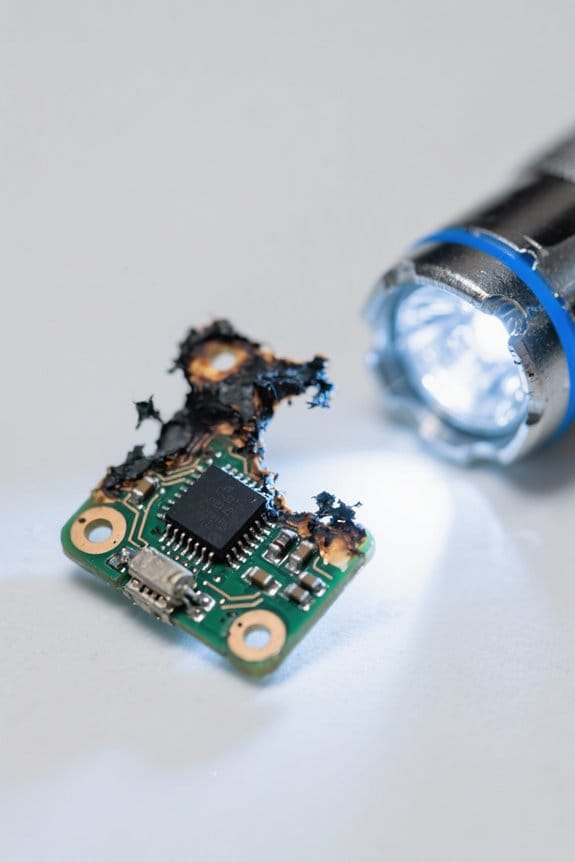
Incorrect voltage application in LED flashlights substantially impacts device reliability and safety; operating a flashlight outside its designated range, such as supplying 4.2V to a 3.7V lithium-ion model, risks thermal runaway, which accelerates component degradation and may cause functional failure within weeks of continuous use. Using voltage options that deviate from specifications can cause the light to flicker, dim unexpectedly, or fail to activate if undervoltage occurs. Additionally, sustained overvoltage increases internal heat, raising safety hazards like fire risks and permanent damage to circuitry. Testing shows that flashlights subjected to 10-20% voltage increases experience rapid brightness decay and component burnout compared to devices powered within their ideal voltage window, typically 3.7V for lithium-ion cells. Careful adherence to recommended voltage substantially mitigates performance issues and enhances overall operational safety. For optimal performance, consider compact automatic chargers that maintain battery health with features like float and desulfation mode, providing necessary safety protections to prevent overheating and short-circuits.
Recommended Products

The digital controller allows you to view the working status of the strobe lights in real time in the car, and can quickly switch to the working mode you need.
ULTRA BRIGHTNESS & COLORFUL LED:This golf cart light kit includes 2PCS 3FT whip lights with 366 Full RGB LEDs total, delivering significantly brighter illumination than traditional light. Universal whip lights compatible with EZGO, Club Car, Yamaha, and Advanced EV models, both gas and electric. Ideal for customizing your golf cart for holidays, festivals, parties, or evening rides.

Synchronized with Your Vehicle's Signal System: Golf Cart Flag Whip Lights 3FT [ONLY FIT 1.0-Inches Square Rail, the light features 141.7" Lines Length (including controller)], can be synchronized with underglow lights, canopy light strips, and LED mirrors to the vehicle's signal mode. Universal led golf cart lights fit EZGO/Club Car/Yamaha/Advanced electric or gas. Perfect for dressing up your golf carts at parties and any festival, like St. Valentine's Day, Halloween, Christmas, New Year, etc
Matching Voltage Between Batteries and LED Flashlights
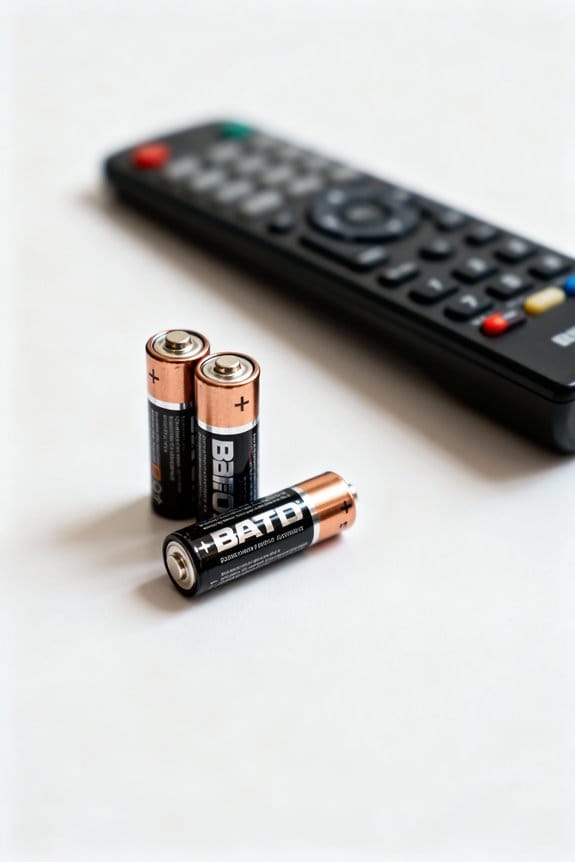
Selecting the correct voltage match between batteries and LED flashlights is a fundamental factor influencing device longevity and performance, with common flashlight designs operating on discrete voltages such as 1.5 volts for standard AA alkaline cells or 3.7 volts for lithium-ion rechargeables—values that must align precisely with the flashlight’s electrical specifications to prevent functional inefficiencies. To guarantee ideal output and avoid damage, it is essential to match the voltage of the battery to the flashlight’s rating, since bulbs voltage matches directly impact brightness and circuit stability. Deviations from specified voltages, whether higher or lower, can reduce efficiency, cause overheating, or dim illumination. Selecting compatible battery chemistry further supports voltage stability. As a result, users must carefully match the voltage to maintain flashlight reliability and maximize the lifespan of both battery and LED components. When choosing batteries, consider options like the Duracell Coppertop AAA Batteries known for their long-lasting performance and reliability in everyday devices.
Recommended Products

Longer runtime 9V - Tenergy's bulk size 120 pack 9V Lithium batteries offer 2.5 times more power than traditional 9V batteries. Provides enough power to last up to 10-years as a backup battery in ac-powered smoke detectors.


18000A Peak for Heavy-Duty Rescue The COSSIFTW YL300 delivers a massive 18000A peak current, providing the cranking power needed to start heavy-duty trucks, RVs, tractors, and boats with large-displacement diesel or gas engines. It effortlessly overcomes high compression ratios and cold-weather starting challenges. Fully compatible with all 12V vehicles, from motorcycles and ATVs to lawnmowers and snowmobiles.
Common Symptoms of Voltage Issues in LED Flashlights
Proper voltage matching between batteries and LED flashlights not only preserves device functionality but also mitigates common operational symptoms associated with voltage irregularities. Flickering is a frequent indicator of inconsistent voltage delivery, often originating from unstable power sources or loose connections. When voltage drops below the necessary 3.0 to 3.7 volts typical for many LED modules, dim lighting or failure to activate may occur. Conversely, supplying voltage above the recommended range can trigger overheating, which accelerates thermal stress and shortens LED lifespan. Overvoltage may also cause excessively bright or erratic light output, signaling potential damage to internal circuitry. Frequent shutdowns further suggest undervoltage conditions or poor contact within the battery compartment, underscoring the importance of stable voltage delivery in maintaining consistent, reliable flashlight performance. Many LED lighting systems, including landscape kits, are designed with IP65 housings to ensure protection against dust and moisture, contributing to long-term performance.
Selecting the Right Battery for Your LED Flashlight
Numerous LED flashlights require batteries supplying voltages within distinct ranges, typically 1.5 volts for standard AA or AAA cells, 3.7 volts for lithium-ion rechargeable packs, and up to 12 volts for specialized or high-powered models, necessitating careful adherence to manufacturer specifications to maintain ideal functionality. Selecting the right battery involves ensuring the bulbs voltage requirements are met precisely, as mismatched voltages can cause flickering, diminished brightness, or permanent damage. Flashlights with built-in voltage regulation still depend on compatible batteries to match the voltage rating, preserving consistent output and longevity. Users should consult manufacturer guidelines rigorously to choose batteries that complement the LED bulbs’ electrical demands, recognizing that under-voltage reduces efficiency, while over-voltage risks component failure. Proper battery selection ultimately safeguards performance and extends the flashlight’s operational lifespan. For outdoor lighting, it is important to consider energy-efficient options to save on electricity costs.
Recommended Products
[Unlimited Swim Practice] Transform your backyard pool with a powerful swim current machine for pool use. This adjustable swim jet creates a continuous water flow for swim practice, endurance workouts, aquatic exercise, and family activities. Featuring 4 speed levels and 3 training modes, it delivers everything from comfortable swimming to challenging resistance training for different users

Capable of Recharging 99% of Your Devices: Our power station has a huge capacity 1843.2Wh and a 2400W AC inverter (4800W Surge). It can power most of the high-power household appliances and electronic equipment without stress for a long time, such as an electric car, fridge, window air conditioner, hairdryers, microwave oven, coffee maker (Max 2400W), heater, electric grill, drill, etc. It gives you confidence in any emergency or unexpected power outages and meets your various power needs.

This Multi-function OTDR&CCTV Tester is an essential tool for fiber length, network, and CCTV camera testing. OTDR displays the power of the returned signal related to distance. The information can be used to confirm the transmission quality of a fiber optic link. It is widely used in the maintenance, construction, and monitoring of cable lines. It can measure the optical fiber length, transmission attenuation of optical fiber, attenuation of the splice, and failure location, etc.
How to Measure and Test Voltage in LED Flashlights
Measuring voltage in LED flashlights involves using a digital multimeter set to the DC voltage function, with probes carefully placed on the battery’s positive and negative terminals to confirm accurate contact; this process reveals crucial information about the battery’s current state and overall electrical health. Typically, LED lights operate within a voltage range of 2 to 4.5 volts, depending on the batteries, such as 18650 lithium-ion or AA alkaline types. Voltage testing under load—meaning while the flashlight is turned on—provides a more accurate depiction of performance by reflecting real-world conditions. A markedly lower voltage than the flashlight’s rated specification signals battery depletion requiring replacement. Regular voltage measurement guarantees ideal LED light brightness and prolongs the lifespan of batteries, maintaining consistent efficiency. Using non-contact voltage testing features available in some multimeters, such as those in the TM-510 Digital Multimeter, enhances operational safety while performing these measurements.
Voltage Regulation and Protection in LED Flashlight Design
Although LED flashlights often operate within a voltage range of 3V to 12V, maintaining stable power delivery is critical to prevent fluctuations that can cause thermal runaway or diminished LED lifespan; consequently, voltage regulation circuits, including techniques like Pulse Width Modulation (PWM), are employed to adjust brightness precisely by rapidly switching the LED on and off at varying duty cycles. Voltage regulation in LED lighting guarantees consistent current flow, optimizing brightness while minimizing heat generation and energy waste. Additionally, integrated protection mechanisms such as overcharge, over-discharge, and short circuit safeguards protect both the battery and internal circuitry, enhancing reliability and durability. Some LED flashlights incorporate IP65 waterproof ratings to ensure durability and performance in various weather conditions. These systems collectively contribute to improved performance under varying load conditions, preventing flickering or sudden dimming, and extending operational stability in diverse environmental and usage scenarios.
Practical Tips for Extending LED Flashlight Life Through Proper Voltage Management
When managing voltage to extend the operational lifespan of an LED flashlight, maintaining the recommended input voltage—commonly 3.7 volts for lithium-ion cells—is vital to prevent potential thermal runaway and premature LED degradation; deviations above this threshold can accelerate heat generation, compromising internal components. To guarantee the bulbs voltage matches specifications, users must avoid high voltage conditions, which can cause accelerated wear. Employing high-quality, compatible batteries maintains stable voltage, preventing issues like flickering or dimming. Regular cleaning of battery contacts reduces voltage drop, enhancing performance consistency. It is also important to avoid mixing old and new batteries, as differing voltages can affect the LED driver and reduce lifespan. Proper storage in cool, dry environments further preserves battery voltage, thereby supporting extended flashlight operation. High-drain performance is crucial for devices needing sustained power, as it ensures consistent voltage output, which is vital for the longevity of LED flashlights.
Frequently Asked Questions
Is 12V or 24V Better for LED Lights?
24v efficiency makes it better for large, extensive LED light applications, enabling longer runs and reduced voltage drop. Conversely, 12v benefits suit smaller, simpler setups. Application suitability depends on project scale and power needs.
What Happens if You Put a 60 Watt LED in a 40 Watt?
In a LED wattage comparison, placing a 60-watt LED in a 40-watt fixture increases overloading risks, potentially causing overheating and damage. Flashlight performance may degrade due to strain on wiring and thermal management systems.
Is 5v Too Much for LED?
5 volts is not inherently excessive for LED voltage compatibility, nor is it inadequate for a 5v LED circuit; rather, it depends on the LED power requirements, ensuring proper regulation and preventing damage through balanced current and heat management.
How to Tell if LED Is 12V or 24V?
To determine if an LED is 12V or 24V, one uses voltage measurement techniques such as a multimeter. Comparing LED specifications and understanding common LED types aids accurate LED specifications comparison between 12V and 24V models.