As an Amazon Associate, we earn from qualifying purchases. Some links on this site are affiliate links at no extra cost to you. Our recommendations are based on thorough research and editorial judgment.

How to Choose Batteries for Low-Power Devices Like Remotes

Choosing batteries for low-power devices like remotes involves selecting types with stable nominal voltages near 1.5 volts and sufficient capacity around 2500 mAh, such as alkaline or carbon-zinc variants, which offer 6-12 months and up to 2 years of lifespan, respectively. Lithium batteries provide higher energy density and lower self-discharge rates but at increased cost. Proper storage, avoidance of mixing battery types, and monitoring for leakage are critical. Further examination reveals ideal battery management strategies and environmental considerations.
Key Takeaways
- Choose alkaline or AAA carbon-zinc batteries for stable voltage and cost-effective performance in low-power devices like remotes.
- Prefer alkaline batteries for longer lifespan (6-12 months) and higher capacity (around 2500 mAh) in typical remote use.
- Consider lithium batteries for extended shelf life and reduced leakage, but weigh their higher upfront cost against benefits.
- Avoid mixing new and old or different battery types to maintain consistent voltage and prevent device damage.
- Store batteries in a cool, dry place and remove them from devices during long inactivity to prevent leakage and degradation.
Understanding Power Requirements of Low-Drain Devices
Understanding the power requirements of low-drain devices, such as remote controls and wall clocks, is essential for selecting batteries that maintain stable voltage and prolong device functionality; typically, batteries like AAA carbon-zinc or alkaline, which provide a nominal voltage of 1.5 volts, are preferred due to their cost-effectiveness and consistent performance in infrequent-use scenarios. Alkaline batteries, with a capacity near 2500mAh, offer superior longevity and voltage stability compared to carbon-zinc alternatives, addressing the modest energy needs of these devices efficiently. While rechargeable batteries, such as Low Self-Discharge NiMH types, present an eco-friendly option, their voltage tends to drop swiftly under very low-drain conditions, potentially impacting performance. Proper maintenance, including terminal cleaning and simultaneous battery replacement, further enhances battery longevity and prevents leakage, ensuring reliable operation in low-drain devices. The long shelf life of alkaline batteries, such as those from Duracell and Energizer, ensures that they remain reliable even after extended periods of storage, making them a dependable choice for low-drain devices.
Comparing Battery Types Suitable for Low-Power Devices
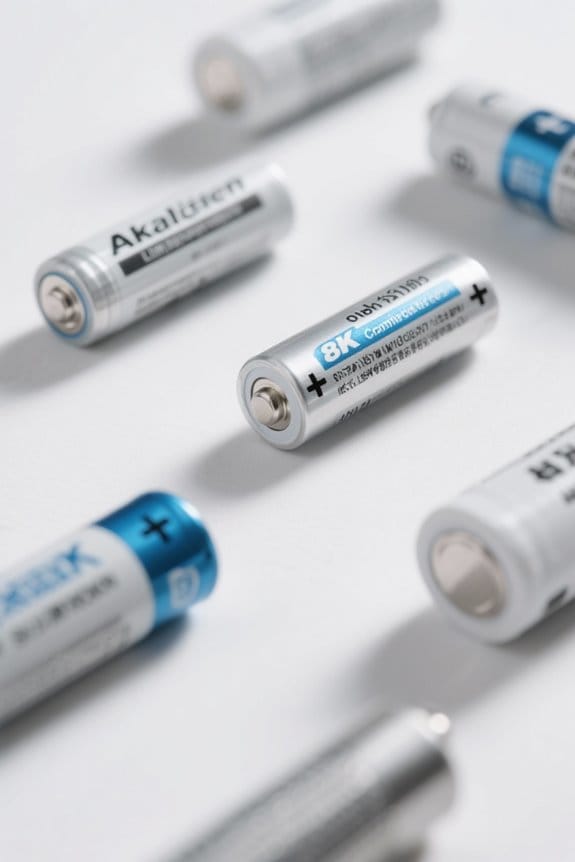
Selecting the appropriate battery type for low-power devices hinges on a thorough comparison of chemical compositions, voltage stability, shelf life, and discharge rates, as these factors directly influence device longevity and performance. Alkaline batteries, known for their long shelf life of one to two years in low-drain devices such as remote controls, offer a cost-effective and reliable power source. Lithium batteries provide extended runtimes with minimal leakage risk, suitable for infrequently used devices, while rechargeable batteries like Low Self-Discharge NiMH variants may underperform in idle scenarios due to faster charge depletion. Carbon-zinc batteries present a budget option but with shorter lifespans of six to twelve months. Ensuring simultaneous battery replacement is essential to prevent voltage imbalances that degrade battery performance or damage delicate electronics within low-drain devices. In addition, proper storage in a cool, dry place can extend battery life, as mentioned in the knowledge on shelf life and storage considerations.
Recommended Products

Spectra Precision DG813 Pipe Laser with RC803 IR/Radio Long-Range Remote - Long Runtime

WIRELESS IN-CAB DISPLAY: Includes RD20 remote display for grade data inside your machine cab, enabling real-time elevation monitoring without needing to look at the receiver itself.

The GL622N pro Laser Level tool kit comes with a HL760 Laser meter, C70 rod clamp, RC602 remote control, and is rechargeable with its 10 Ah NiMH batteries and included charger
Advantages of Alkaline Batteries for Remotes
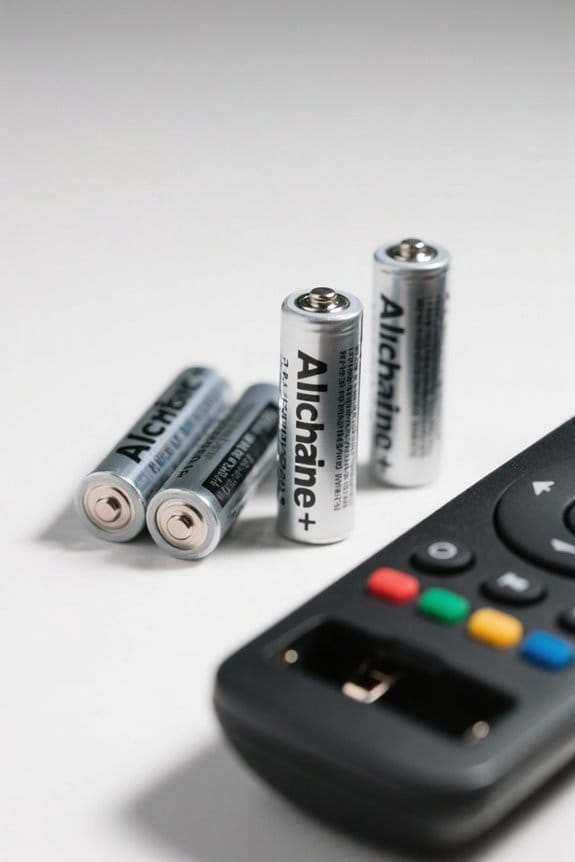
Alkaline batteries, characterized by a nominal voltage of 1.5 volts and a typical capacity of approximately 2500 milliampere-hours in low-drain conditions, provide a consistent and stable power output that suits the delicate demands of remote control devices, which often require intermittent but reliable energy delivery over extended periods. These batteries offer a long shelf life of up to 10 years, ensuring usable charge retention during inactivity, which is essential for low-power devices like remotes. Their cost-effective nature makes them a practical choice for household applications, outperforming alternatives in affordability without compromising reliable performance. Although there is a potential leakage risk if alkaline batteries remain unused for extended intervals, proper storage and routine replacement minimize this issue, reinforcing their suitability for remote controls requiring steady, dependable energy over time. They are particularly advantageous for devices like game controllers, toys, flashlights, and digital cameras, with some brands offering a leak-free shelf life comparable to high-end options.
Recommended Products

Qualifies cabling performance for 10/100/Gig Ethernet, tests all copper media cabling: twisted pair (Category 5-6A), coax, and audio

COMPREHENSIVE KIT: The kit includes the rotary laser, laser reciever, tripod, grade rod, remote control, wall mount, 4 D-cell batteries, 2 AA batteries, alkaline battery adapter and hard carrying case.

COMPREHENSIVE KIT: The kit includes the rotary laser, laser reciever, tripod, grade rod, remote control, wall mount, 4 D-cell batteries, 2 AA batteries, alkaline battery adapter and hard carrying case.
When to Consider Lithium Batteries for Low-Power Devices
Why might lithium batteries be the preferred option for certain low-power devices despite their higher initial cost? Lithium batteries offer a higher energy density than alkaline batteries, providing longer run times in remote controls and similar low-power devices. Their stable voltage output of 1.5V guarantees consistent performance, while a noticeably lower self-discharge rate allows them to retain charge for extended periods during intermittent use. Although lithium batteries have a higher upfront cost, their extended lifespan and reduced leakage risk ultimately lower overall cost and maintenance. Additionally, their lightweight design and reliable operation in extreme temperatures enhance suitability for diverse environments. Consequently, lithium battery selection becomes advantageous when device longevity, stable performance, and minimal maintenance are prioritized over initial battery price in low-power applications. In comparison, low self-discharge NiMH cells retain 80-85% charge after long storage, making them ideal for intermittent or standby applications.
Recommended Products
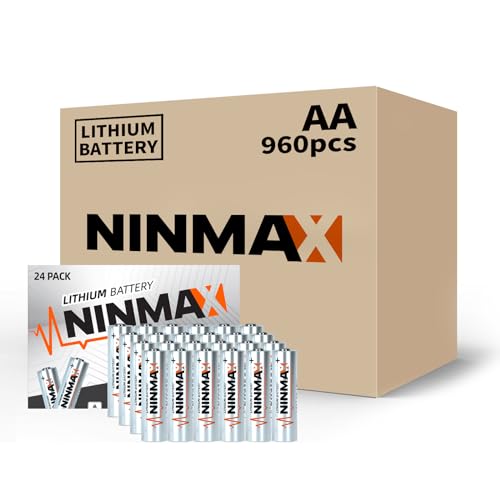
【3500mAh LONG-LASTING DURABLE】 NINMAX new upgraded 3500mAh lithium AA batteries high-performance constant output, using high-density materials to accumulate amazing energy.

【3500mAh LONG-LASTING DURABLE】 NINMAX new upgraded 3500mAh lithium AA batteries high-performance constant output, using high-density materials to accumulate amazing energy.
【3500mAh LONG-LASTING DURABLE】 NINMAX new upgraded 3500mAh lithium AA batteries high-performance constant output, using high-density materials to accumulate amazing energy.
The Role of Rechargeable Batteries in Low-Drain Applications
Although rechargeable batteries often deliver a slightly lower nominal voltage of 1.2 volts compared to the standard 1.5 volts of alkaline cells, their suitability for low-drain devices becomes apparent when considering Nickel-Metal Hydride (NiMH) variants, especially Low Self-Discharge (LSD) types. LSD NiMH rechargeable batteries maintain charge for extended periods, enhancing device compatibility with remote controls and other low-power electronics used intermittently. Despite a higher upfront cost, these rechargeable batteries offer long-term savings by enduring over 1000 charge cycles, reducing replacement frequency and environmental impact through lowered battery waste. While nominal voltage is slightly reduced, performance in low-drain scenarios remains reliable, as regular moderate use preserves battery capacity. Consequently, NiMH rechargeable batteries with LSD technology provide a balanced solution for energy efficiency, sustainability, and cost-effectiveness in low-drain applications. Additionally, many modern LSD NiMH batteries come with smart chargers that protect against overcharging and overheating, further extending their lifespan and ensuring safety.
Recommended Products

Long run-time - Tenergy's high capacity rechargeable NiMH battery combo includes AA (2500mAh), AAA (1000mAh), C (5000 mAh), D (10000 mAh), and 9V (250mAh) batteries. Replace your disposable alkaline batteries with these high performance rechargeable batteries.
Measure fine particulate & air pollution levels in and around your home

AA rechargeable batteries
Assessing Battery Capacity and Voltage for Optimal Performance
Battery capacity and voltage are critical parameters that directly impact the performance and longevity of low-power devices, such as remote controls and wireless sensors. Alkaline batteries, typically offering around 2500 mAh and 1.5 volts, excel in low-drain applications due to their higher capacity and stable voltage output. Rechargeable NiMH batteries provide approximately 1.2 volts, which may cause reduced performance in some devices, especially if they are low self-discharge NiMH variants that tend to lose voltage rapidly in very low-drain scenarios. Lithium batteries maintain a stable voltage longer than alkalines, delivering extended runtime and lower leakage risk. For multipack devices, ensuring voltage compatibility by replacing all batteries simultaneously prevents performance issues caused by voltage imbalance, thereby optimizing overall device function and battery life. Many rechargeable batteries are constructed using 22% recycled materials, promoting environmental sustainability and reducing waste.
Factors Affecting Battery Life in Remote Controls
The performance and longevity of batteries in remote controls are influenced by several interrelated factors beyond capacity and voltage specifications. Alkaline batteries offer stable voltage delivery suitable for low power needs but carry a higher risk of battery leakage, especially after extended inactivity, whereas carbon-zinc batteries generally provide longer life with reduced leak concerns in low-drain applications. Environmental factors such as temperature and humidity can accelerate battery discharge or diminish performance, making remote controls less efficient. Proper maintenance, including regular cleaning of battery terminals and avoiding mixing different battery brands or chemistries, further enhances battery life. Together, these aspects determine the effective operational lifespan of batteries in remote controls, which ranges from six to twelve months for alkaline and up to two years for carbon-zinc under typical usage conditions. For an emergency preparedness approach, selecting batteries like Energizer or Duracell with longer shelf lives and reliable performance ensures functionality during unexpected power outages.
Cost Efficiency: Balancing Upfront Price and Longevity
When evaluating cost efficiency for low-power devices such as remote controls, it is essential to contemplate both upfront price and expected longevity, given that alkaline batteries generally cost considerably less than lithium alternatives yet last only about six to twelve months under typical usage, whereas lithium batteries, despite higher initial investment, can endure two to three times longer and exhibit greater resistance to leakage-related damage. Total cost of ownership calculations reveal that although alkaline batteries offer lower upfront price, frequent replacement and leakage issues may increase expenses over time. Rechargeable NiMH batteries, though initially pricier, deliver substantial savings by supporting up to 1000 recharge cycles. Consequently, selecting between alkaline batteries, lithium batteries, or rechargeable options demands careful analysis of usage patterns, device requirements, and desired balance between short-term cost efficiency and extended lifespan. It is recommended to consider leak-resistant designs when choosing batteries to safeguard devices and avoid potential damage, as noted in reliable brands like Duracell and Energizer.
Recommended Products

GL722 Dual Grade Laser for long range, high accuracy elevation control; Automatic self-leveling, advanced radio remote, grade matching, Planelok, and automatic axis alignment allow quick and accurate set-ups for any fine grading or major construction project

Laser tool kit includes a GL422N Grade Laser, HL760 Laser Receiver, C70 Adapter, 105516 Vertical Adapter for HL Receiver, RC402N Radio Remote Control, NiMH Rechargeable Batteries, charger, and carrying case

Laser package includes a GL412N Single Grade Laser, RC402N Radio Remote Control, HL760 Digital Readout Laser Receiver, C70 Clamp, 105516 Vertical Adapter for HL Receiver, NiMH Rechargeable Batteries, Charger, and Carrying Case
Proper Storage and Handling of Batteries for Remotes
Proper storage and handling practices greatly affect the operational lifespan and safety of batteries used in remote controls, as environmental factors such as temperatures exceeding 30°C or relative humidity above 60% can accelerate electrolyte leakage and capacity degradation by up to 20% annually, according to controlled laboratory assessments. Proper storage involves keeping batteries in a cool, dry environment and retaining them in original packaging to minimize short circuits and preserve charge, especially for low-power devices like remotes. Handling protocols recommend avoiding mixing old and new batteries or different types within battery compartments, as this imbalance can compromise voltage stability and cause damage. Additionally, removing batteries from remotes when unused for prolonged periods helps reduce leakage and drain, effectively extending shelf life and maintaining peak performance for low-drain applications. Mechanical timers, known for their weatherproof ratings and durability, are often used to automate outdoor devices, ensuring operational efficiency in various environmental conditions.
Detecting and Preventing Battery Leakage and Corrosion
Numerous battery-operated low-power devices, such as remote controls, require frequent inspection to detect early signs of alkaline battery leakage, which releases potassium hydroxide, a corrosive agent that can erode metal terminals and compromise electrical connectivity if left untreated for periods exceeding several months. Detecting signs of leakage involves visual examination and voltage measurement with a multimeter; a voltage drop below the expected 1.5 volts often signals corrosion onset. Preventing battery leakage and resulting corrosion includes removing batteries from devices unused for over three months and storing them in cool, dry environments. Stability and reduced leakage risk are achieved by using NiMH batteries, especially low self-discharge types, instead of traditional alkaline batteries. Cleaning corroded terminals with a baking soda solution restores stable performance, enhancing device longevity and reliability in low-power devices. It is also recommended to use surge protection to prevent electrical damage in devices, similar to the protection advised for outdoor holiday lights.
Environmental Impact and Responsible Disposal of Batteries
Although batteries provide essential power for countless low-power devices, their composition often includes hazardous substances such as heavy metals and corrosive chemicals, particularly in lithium and nickel-cadmium variants, which can leach into soil and water systems if discarded improperly, thereby posing significant environmental risks. Consequently, responsible disposal is critical to mitigate environmental impact, with many regions offering recycling programs designed to safely handle hazardous materials and reduce electronic waste, which accounts for approximately 40% of global e-waste. Even alkaline batteries, often deemed less harmful, require adherence to local regulations for eco-friendly choices. Battery recycling programs enable resource conservation by recovering valuable elements, supporting sustainability through reduced raw material extraction. Understanding and participating in these programs guarantees low-power device users contribute positively to environmental protection and promote long-term sustainability.
Tips for Extending Battery Life in Remote Controls
Battery maintenance strategies greatly influence the operational lifespan and reliability of remote controls, with factors such as terminal cleanliness, storage conditions, and consistent battery selection playing critical roles. To implement effective tips to extend battery life, users should regularly clean battery terminals with a dry cloth to guarantee ideal contact and reduce power loss. Remote controls must be stored in cool, dry places to minimize battery degradation caused by heat. Avoid mixing brands or battery types, as this practice leads to inconsistent voltage levels and potential device malfunction. Replacing batteries simultaneously maintains balance and proper operation. Low-drain devices, like remotes, benefit from AAA carbon-zinc batteries, which can last six to twelve months in daily use. Adhering to these protocols minimizes battery waste and enhances device reliability.
Frequently Asked Questions
What Type of Battery Is Best for Remote Control?
Batteries seemingly power remotes with the vigor of a lightning storm; carbon-zinc excels in cost considerations and size compatibility, while alkaline offers superior battery lifespan. Lithium button cells are overkill, with cell chemistry and voltage requirements less urgent for energy efficiency.
How Do I Choose the Right Battery for My Needs?
Choosing the right battery involves analyzing battery capacity, lifespan, voltage requirements, and usage frequency, while considering rechargeable options, brand reliability, cost analysis, environmental impact, and storage considerations to optimize battery performance effectively.
Can I Use a 2026 Battery Instead of 2032 in a Key Fob?
Using a CR2025 instead of a CR2032 in a key fob often compromises battery compatibility due to thickness, affecting battery performance and lifespan. Device specifications and key fob requirements should be prioritized, with cost considerations and environmental impact evaluated.
Do Most TV Remotes Take AA or AAA Batteries?
Remote control batteries often resemble puzzle pieces; AAA batteries dominate most remotes, offering compactness and longer battery life expectancy. AA vs AAA choices affect battery compatibility issues, with alkaline, lithium, and rechargeable battery options balancing environmental impact batteries and disposal.