As an Amazon Associate, we earn from qualifying purchases. Some links on this site are affiliate links at no extra cost to you. Our recommendations are based on thorough research and editorial judgment.

Understanding Power Requirements for Wireless Game Controllers

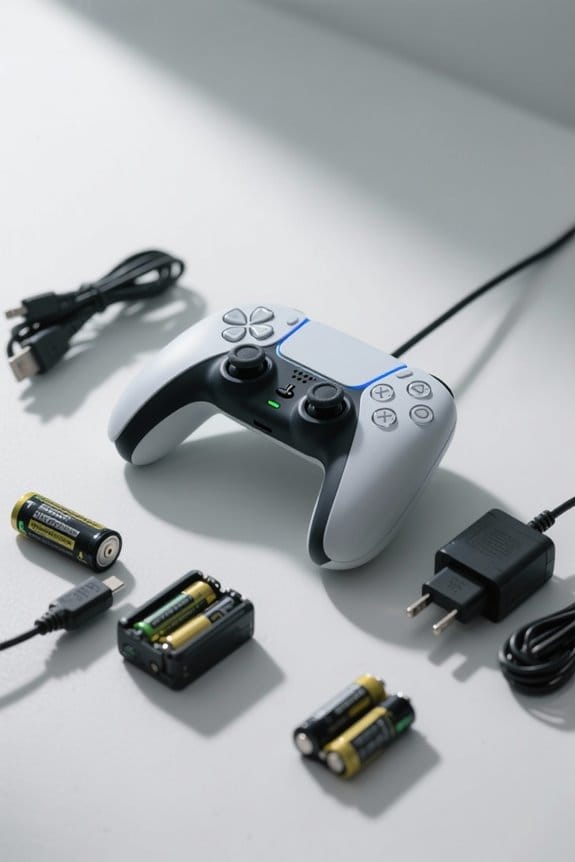
Wireless game controllers typically use 1.5-volt disposable AA or AAA batteries or integrated lithium-ion packs with nominal voltages of 3.6 to 3.7 volts, ensuring consistent power delivery critical for minimizing Bluetooth input lag, which ranges from 1 to 8 milliseconds at 2.4 GHz. Voltage drops below 3.3 volts increase latency, making regulated charging and battery monitoring essential for performance stability. Advanced lithium-ion cells also offer higher energy density and longer cycle life, improving gameplay duration. Further details explore power management innovations and optimization strategies.
Key Takeaways
- Wireless controllers typically use AA/AAA batteries or integrated lithium-ion packs providing 1.5 to 3.7 volts for optimal operation.
- Consistent power supply above 3.3 volts is essential to minimize input lag and maintain responsive gameplay.
- Lithium-ion batteries offer higher energy density, longer playtime, and support fast charging and wireless charging technologies.
- Effective power management, including regular charging and monitoring, prevents sudden battery loss and ensures uninterrupted use.
- Charging options like USB cables and inductive pads allow simultaneous gameplay and charging, enhancing convenience and device longevity.
Types of Batteries Used in Wireless Controllers
Battery technology plays a crucial role in the performance and user experience of wireless game controllers, with most models utilizing either removable disposable cells—commonly AA or AAA batteries with voltages typically around 1.5 volts each—or integrated rechargeable lithium-ion battery packs that usually deliver nominal voltages between 3.6 and 3.7 volts; while disposable batteries offer straightforward replacement and wide availability, lithium-ion packs provide greater energy density, lighter weight, and longer operational life, often enduring several hundred recharge cycles before capacity noticeably declines, thereby making the latter a preferred choice in contemporary designs where advanced charging options, including USB-C fast charging and inductive wireless charging pads, further enhance convenience and reduce downtime. Effective energy storage with lithium-ion technology guarantees extended battery life, optimizing handheld use despite variable power demands. Proper battery selection and maintenance remain essential for consistent gaming functionality. Additionally, using surge protection for electronics, such as wireless controllers, can prevent potential damage from electrical surges, similar to protective measures recommended for outdoor holiday string lights.
Recommended Products

HIGH-PERFORMANCE MOTOR: Powered by a robust 8000W motor, this electric hydrofoil surfboard (eFoil) reaches exhilarating speeds of up to 37.28 MPH (60 km/h). Enjoy instant torque and powerful acceleration that gets you flying above the water in seconds. Whether you’re launching from a dock or beach, every ride begins with a thrilling burst of energy


🌞【Wide Application】Perfect 600W Solar RV kit for having an off-grid 12 volt Lithium battery 12V Solar Panel system. 3000 Watt Pure Sine Wave Inverter provides plenty of AC power 120VAV to run your household appliances and the battery bank will supply plenty of energy for moderate use; Designed for RVs, cabins, homes, boats, back-up and remote power use
Impact of Power Supply on Controller Performance
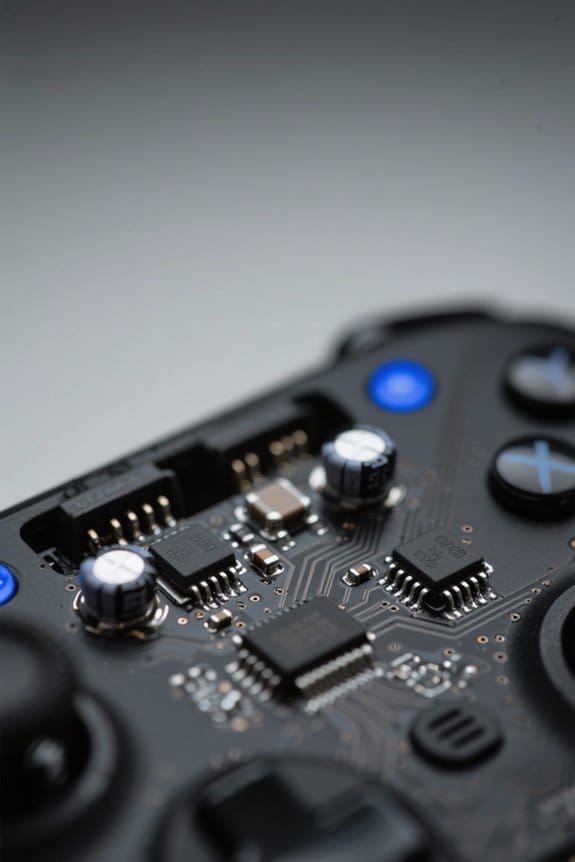
Although it might seem secondary to design and software, the power supply’s consistency directly influences wireless controller performance by minimizing input lag, which can range from 1 to 8 milliseconds depending on power fluctuations and wireless frequency stability; extensive testing with Bluetooth-enabled controllers operating at 2.4 GHz reveals that voltage drops below 3.3 volts in lithium-ion battery systems correlate with increased latency and degraded haptic feedback intensity, underscoring the necessity for continuous power management through regulated charging protocols and real-time voltage monitoring to sustain seamless signal transmission and maintain user responsiveness throughout extended gaming sessions. High energy density lithium-ion batteries prove advantageous by supporting longer playtimes, though any instability in the power supply risks interrupting command signal efficiency and diminishing overall gameplay quality, emphasizing uninterrupted, consistent power delivery’s critical role in controller performance. Smart maintainers such as Battery Tender and NOCO Genius models can help ensure continuous power management by providing reliable power backup and maintaining battery health with low maintenance features.
Recommended Products

GL722 Dual Grade Laser for long range, high accuracy elevation control; Automatic self-leveling, advanced radio remote, grade matching, Planelok, and automatic axis alignment allow quick and accurate set-ups for any fine grading or major construction project

One-man testing for electrical, ABS and air brake systems
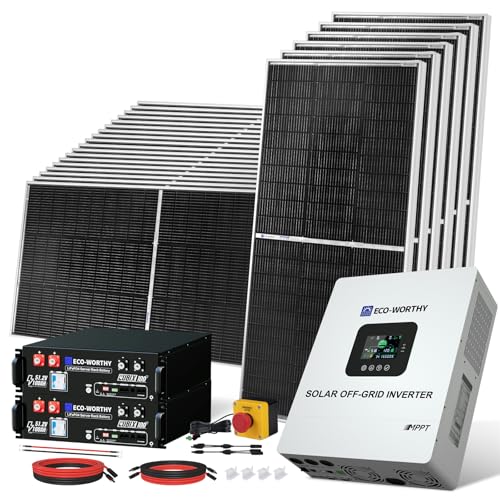
Full Off-Grid Solar Solution: Achieve energy independence with a robust renewable solution! Take control of your energy independence with the ECO-WORTHY comprehensive off-grid solar kit. This package includes two 48V 100Ah LiFePO4 integrated communication batteries, 24pcs 195W N-Type bifacial solar panels, and a powerful 5000W off-grid solar inverter equipped with a 100A MPPT solar charge controller, as well as all the necessary cables and mounting brackets.
Effective Charging and Power Management Strategies
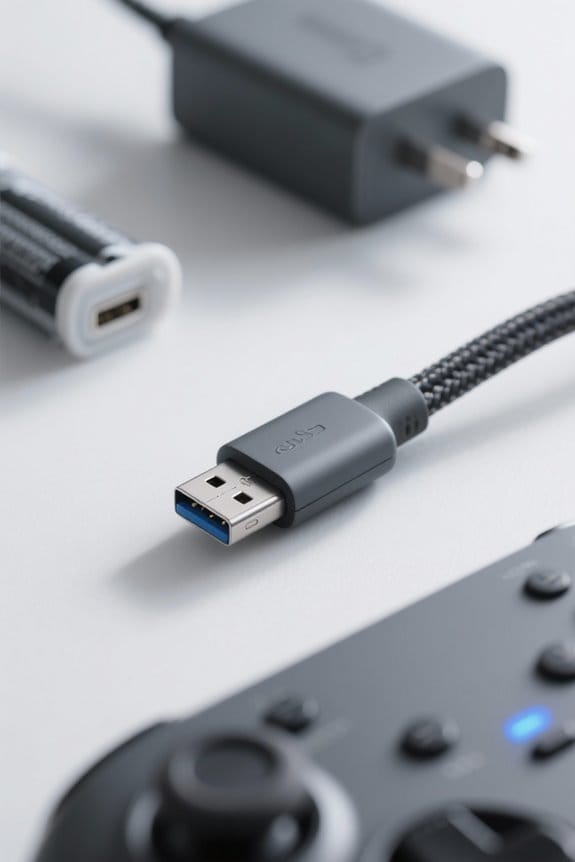
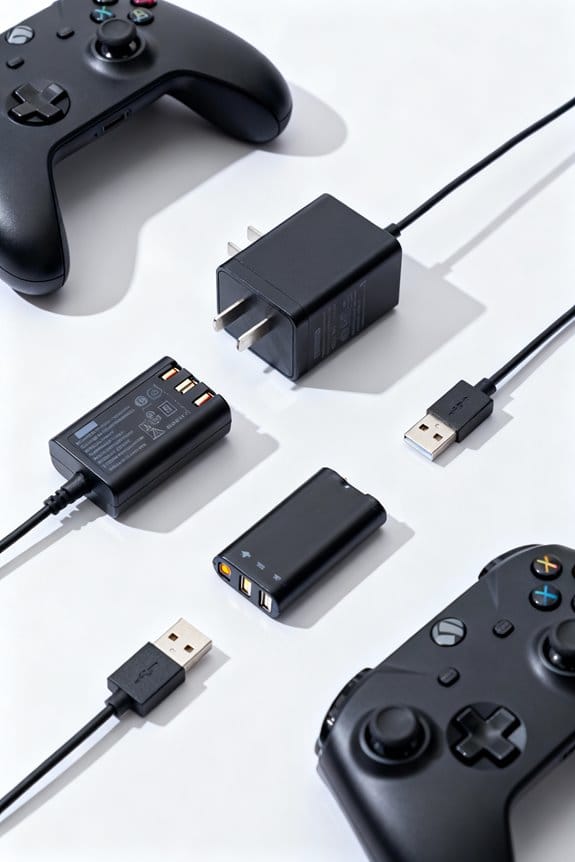
How can wireless controllers maintain ideal power levels during extended gaming sessions without causing interruption? The answer lies in integrating an appropriate power source and employing effective charging strategies such as using standard USB cables, which allow controllers to charge while in use, minimizing downtime caused by depleted batteries. Regularly connecting controllers with built-in batteries to consoles or charging docks during inactivity guarantees consistent power availability. Supplementing these tactics, extra-long charging cables offer practical solutions for unexpected low battery scenarios, allowing uninterrupted play. Additionally, inductive wireless charging pads facilitate hands-free recharging, eliminating cable management concerns. Effective charging, combined with proactive power management—like monitoring battery levels—prevents sudden power loss and enhances gameplay, reflecting precise coordination between power source selection and user habits for optimized controller operation during demanding gaming periods. Incorporating USB AA Battery Chargers can also ensure controllers have backup power, offering a reliable solution for maintaining uninterrupted gaming sessions.
Recommended Products

FAST 16” OLED QHD+ 240Hz DISPLAY — Truly designed for the competitive gamer with 0.2 ms response time, featuring a VESA ClearMR 11000 rating and DisplayHDR 500 certified to ensure minimal blurring and vivid colors (1M:1 contrast ration and 100% DCI-P3)

SEMI-ELECTRIC POWER: Combines Electric Lifting with Manual Moving. Effortlessly lifts loads up to 3300lbs to reduce labor intensity
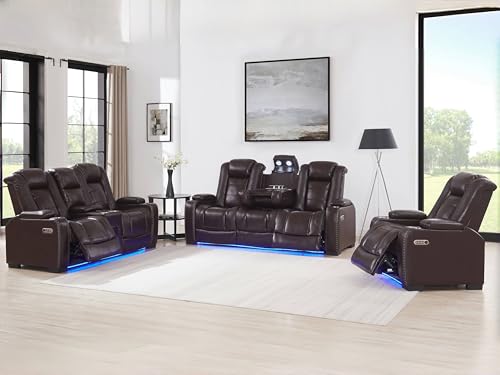
Production Size: Recliner Sofa 83.5"W x 40.5"D x 42.5"H; Recliner Loveseat 73.5"W x 40.5"D x 42.5"H; Recliner Chair 38.5"W x 40.5"D x 42.5"H.
Innovations in Controller Battery Technology
Advancements in wireless game controller battery technology have greatly enhanced energy efficiency and user convenience by leveraging lithium-ion cells that typically offer an energy density of approximately 250 Wh/kg and support over 500 full charge-discharge cycles before notable capacity degradation occurs. Innovations in battery technology now include inductive wireless charging systems, allowing controllers to recharge effortlessly on dedicated pads without cords, reducing downtime. Additionally, improvements in battery chemistry have increased safety and longevity, effectively sustaining higher power loads required by features such as haptic feedback without compromising weight. The integration of sophisticated battery management systems further optimizes power use by balancing consumption, which extends playtime and maintains performance quality with minimal input lag, demonstrating a measured yet impactful evolution in controller battery design driven by evolving user demands and technological progress. Many corrosion-resistant metal stakes are used in outdoor environments to ensure durability, which highlights the importance of material choice in product longevity and performance.
Recommended Products
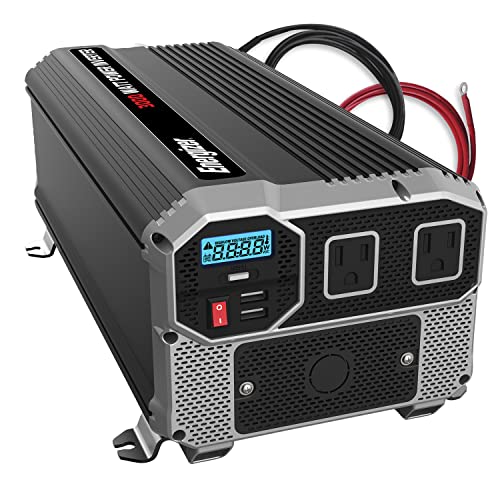
ENERGIZER POWER INVERTER - 3000 Watt continuous power, 6000 Watts peak power. Features 2 USB ports (2.4Amps each), 2 Standard North American AC outlets (each rated at 15Amps). Free 3FT 0AWG battery cables included.

【Pure Sine Wave Power Inverter】This Power inverter provides 2200 watt true pure sine wave DC 12 Volt to AC 120 volt continuous power, coming with 2 AC outlets and 1x2.4A USB port.More powerful than 2000Watt power inverter.Ideal for appliances under 2200Watt. ETL listed with UL458 standard.

Enjoy immersive gaming audio with custom-tuned drivers and EQ presets which can be adjusted to your preferred sound.
Benefits of Proactive Power Management for Gamers
Since uninterrupted gameplay depends heavily on sustained controller power, proactive power management strategies, such as maintaining regular charging schedules and utilizing inductive wireless charging pads capable of delivering up to 5W of continuous power, greatly reduce the incidence of unexpected battery depletion; this guarantees consistent energy supply, decreasing interruptions. Gamers benefit from lithium-ion batteries that support hundreds of recharge cycles, considerably extending overall device longevity compared to disposable alternatives. In addition, having additional charging cables and docks facilitates immediate replenishment of battery levels, minimizing disconnection risks during critical moments. Implementing these power management techniques improves reliability and immersion, while decreasing anxiety over sudden failures. Collectively, these methods foster prime controller performance by maintaining adequate battery charge, enhancing both gameplay experience and device sustainability through efficient, accessible power management solutions. For outdoor lighting enthusiasts, choosing lights with an IP65 or higher rating ensures they withstand various weather conditions, paralleling the importance of durability in gaming controllers.
Recommended Products
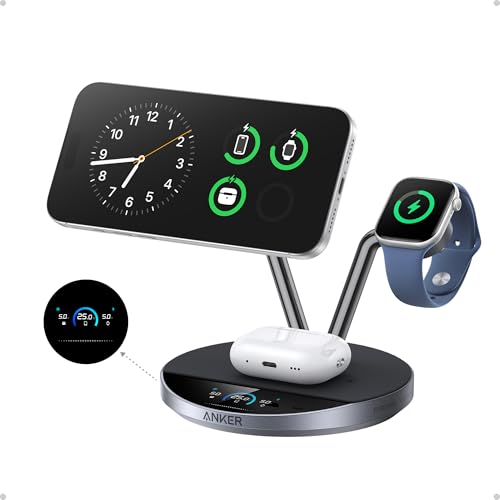
Charge at the Ultra‑Fast Wireless Standard Available: Powered by 25W Qi2.2 ultra-fast charging, your iPhone 17 Pro charges to 50% in just 22 minutes—up to 6× faster than standard 5W wireless chargers. Enjoy the wireless speed you've been waiting for without compromising battery health. Actual performance may vary.
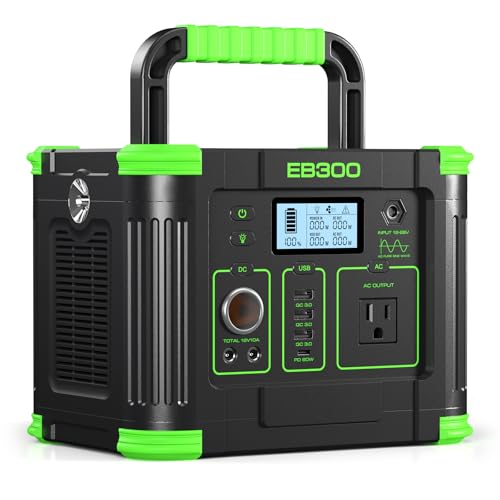
【288.6Wh Lithium Battery with 330W Pure Sine Wave Inverter】 Delivers 330W continuous output and 600W surge peak to safely power CPAP machines, laptops, mini-fridges, TVs, and sensitive electronics. Pure sine wave technology ensures clean, stable voltage without harmonic distortion, protecting your devices from damage. Weighs just 7.94 lbs with rugged carry handle—perfect for camping, road trips, tailgating, and home emergency backup power.

Charges 2 DualSense wireless controllers
Frequently Asked Questions
Do Xbox Controllers Use AA or AAA?
Xbox controllers primarily use AA batteries but do not use AAA batteries. Xbox battery options include disposable AA batteries or rechargeable battery packs. Controller charging methods also feature Play & Charge Kits for continuous power during gameplay.
How to Choose the Right Gaming Controller for Your Needs?
Choosing the right gaming controller is like finding a key to access comfort; one must prioritize controller compatibility, battery lifespan, and ergonomic design to guarantee seamless play, while balancing features and power needs for lasting enjoyment.
How Many Watts Does an Xbox Controller Need?
An Xbox controller typically requires 1 to 2 watts during active use. Xbox controller battery life depends on usage, and charging Xbox controller lithium-ion batteries generally takes several hours for full capacity restoration, ensuring extended gameplay sessions.
How Many Watts Does a PS5 Controller Need to Charge?
A PS5 controller requires approximately 5 watts to charge, balancing charging efficiency with its 1560 mAh battery capacity. This power level supports safe, effective recharge in about three hours, ensuring reliable performance during gameplay.