As an Amazon Associate, we earn from qualifying purchases. Some links on this site are affiliate links at no extra cost to you. Our recommendations are based on thorough research and editorial judgment.

How Battery Choice Affects Performance in Digital Cameras

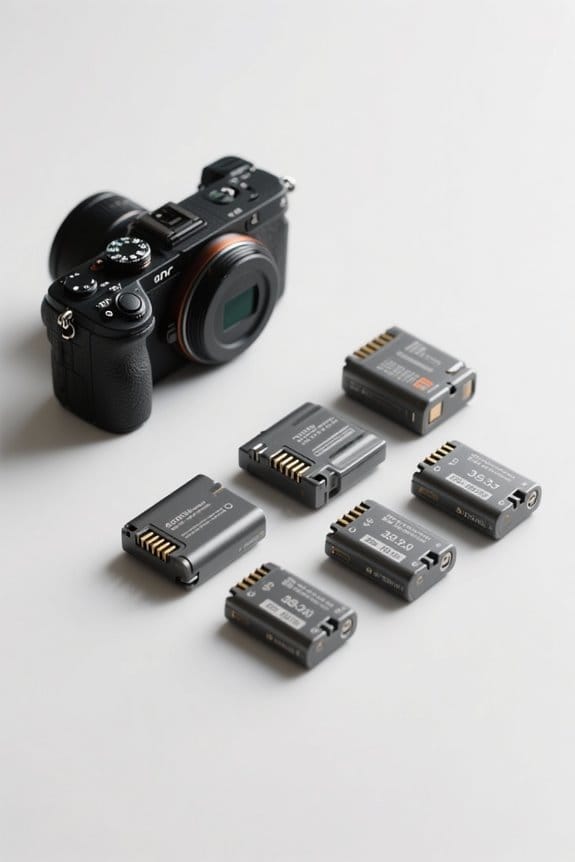
Battery choice greatly impacts digital camera performance by affecting shooting capacity, power stability, and weight. Lithium-ion batteries typically deliver 300 to 500 charge cycles and provide over 1500 mAh capacity, allowing around 500 shots per charge, compared to 200 to 500 shots from AA batteries. Their lighter weight, about 30 to 60 grams, enhances portability and reduces fatigue during long sessions. Proper compatibility guarantees consistent voltage, while charge management extends battery life. Further exploration clarifies optimization strategies for camera power efficiency.
Key Takeaways
- Lithium-ion batteries offer higher shot counts and consistent power than alkaline AA batteries, enhancing camera performance and reliability.
- Proprietary rechargeable batteries provide optimal voltage matching and communication with cameras, improving energy efficiency and shot capacity.
- Battery capacity (mAh) directly impacts operational time, with higher capacity batteries enabling longer shooting sessions without recharge.
- Lightweight lithium-ion batteries increase portability, reducing fatigue during extended photography and improving overall handling comfort.
- Proper battery maintenance and storage extend lifespan and maintain consistent power output, preserving camera function and shot quality.
Types of Batteries Used in Digital Cameras
Although digital cameras have evolved considerably, the choice of batteries remains a fundamental factor influencing their performance and usability, with three primary options dominating the market: AA batteries (both alkaline and rechargeable nickel-metal hydride or NiMH), proprietary rechargeable batteries designed specifically for certain camera models, and lithium-ion batteries, which are now the standard in most modern devices due to their superior energy density and lightweight construction. AA batteries typically offer between 200 and 500 shots per charge, with rechargeable NiMH variants providing improved recharge cycles, while lithium-ion batteries often exceed 500 shots, enhancing the photography experience through extended battery life. Proprietary batteries further optimize performance by enabling efficient power delivery and communication with camera systems, ensuring consistent performance and cost-effectiveness despite their higher initial cost compared to standard AA batteries. Additionally, lithium coin cells such as CR1225 offer superior shelf life and consistent voltage delivery, making them ideal for maintaining device performance over extended periods.
Importance of Battery Compatibility
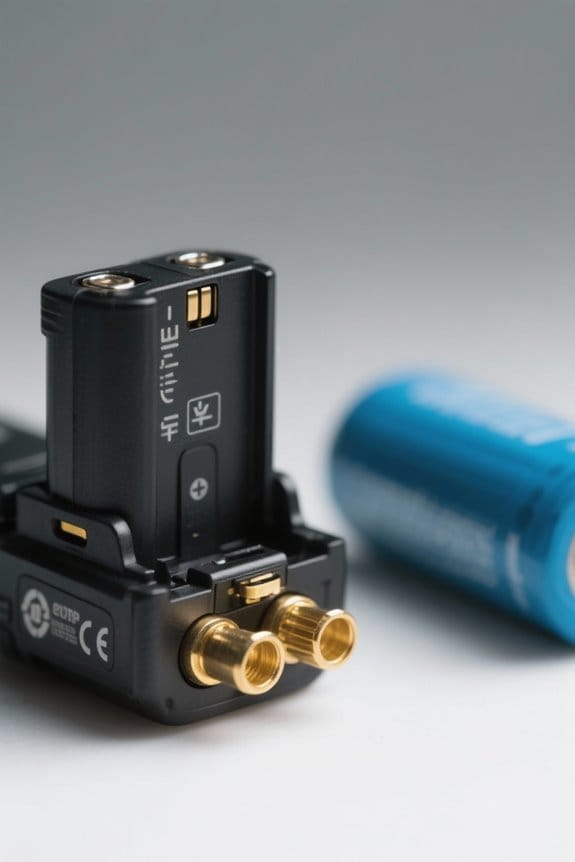
Why is battery compatibility essential for digital camera performance and longevity? Proper battery compatibility guarantees that voltage and capacity match the camera’s battery specifications, preventing damage or reduced functionality. Proprietary rechargeable batteries, tailored for specific models, deliver consistent power delivery, enhancing camera performance during rapid shooting or extended use. Lithium-ion batteries outperform Alkaline batteries, which provide inconsistent energy not suited for high-demand digital cameras. User manuals and technical sheets are indispensable for verifying compatible rechargeable batteries, as incorrect use may void warranties or harm internal components. Some brands, like AgfaPhoto, offer compatible alternatives closely mimicking original specs, providing non-proprietary but effective options. Maintaining proper battery compatibility maximizes camera lifespan while optimizing readiness in the Camera Bag for reliable performance across various shooting scenarios. Additionally, selecting batteries with energy-efficient LED technology can further enhance the performance and longevity of digital cameras by reducing power consumption.
Impact of Battery Capacity on Shooting Time
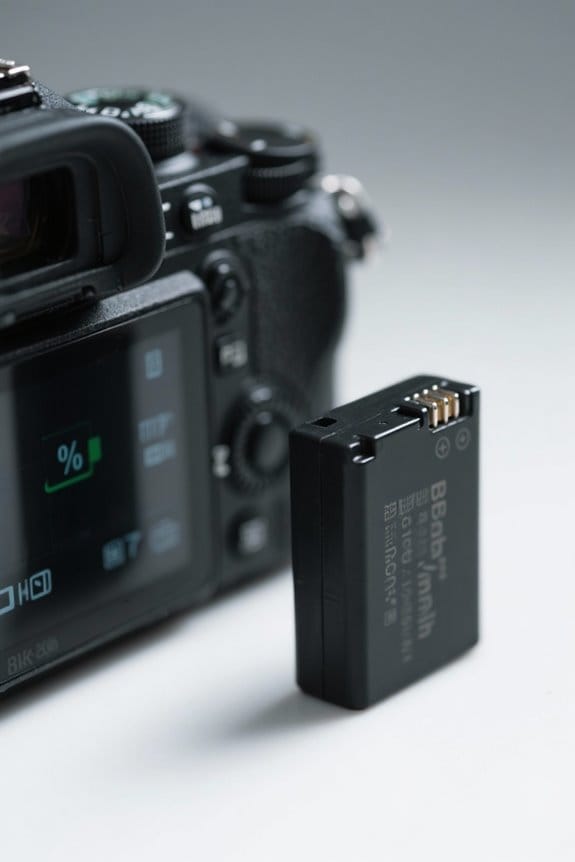
Battery capacity directly influences the length of time a digital camera can operate before requiring a recharge or battery change, with capacity measured in milliamp hours (mAh) serving as the primary quantifier. Lithium-ion batteries, often rated above 1500 mAh, typically enable around 500 shots, considerably outperforming standard AA rechargeable batteries, which average 200 to 300 shots. DSLRs, due to higher power consumption from advanced features, rely heavily on high-capacity batteries to extend shooting time during prolonged sessions, whereas compact cameras generally demand less power. Environmental conditions, particularly extreme temperatures, reduce effective battery capacity and consequently decrease shooting time, necessitating cautious management in challenging settings. Consistent use of power-intensive functions such as flash and LCD screens further accelerates battery drain, confirming the practical advantages of employing reliable, high-capacity batteries for uninterrupted photography. Choosing rechargeable batteries with high mAh capacity can significantly enhance performance in high-drain devices like digital cameras.
Effects of Battery Weight on Camera Portability
When comparing power options for digital cameras, the considerably lower weight of lithium-ion batteries—often ranging from 30 to 60 grams depending on capacity—substantially enhances overall portability by reducing the physical burden on photographers during extended shoots or travel. Unlike standard AA batteries, which require multiple units to match equivalent power, lithium-ion batteries decrease both weight and bulk, enabling a more compressed gear setup. This reduction in weight improves handling comfort during long shoots, particularly in demanding environments like wildlife photography where mobility is vital. Additionally, lighter batteries contribute to energy efficiency by minimizing fatigue and allowing photographers to focus on framing shots rather than managing cumbersome equipment. As a result, the choice of lithium-ion batteries positively impacts the ease of use and transportability of digital cameras, supporting sustained performance without sacrificing portability. High-capacity alkaline batteries are best suited for low-drain devices, providing single-use value, which may not be ideal for high-drain devices like digital cameras.
Battery Longevity and Charge Cycle Performance
Beyond the advantages of reduced weight and improved portability, the longevity and charge cycle performance of lithium-ion power sources play a significant role in their overall appeal for digital photography. Lithium-ion batteries typically deliver 300-500 charge cycles while maintaining energy efficiency and durability, outperforming traditional AA batteries in battery longevity. These batteries feature a low self-discharge rate, enabling them to retain charge for months, thereby enhancing performance reliability. Proper storage, such as maintaining around 50% charge, further extends battery life and optimizes shot counts, with DSLRs achieving over 600 photos per charge compared to 200-400 shots for AA types. The minimal degradation across numerous charge cycles results in cost savings through reduced replacement frequency, confirming lithium-ion’s superior longevity and consistent performance within demanding photographic applications. Additionally, choosing batteries with high capacity ensures that digital cameras can operate for extended periods without needing frequent recharging, enhancing the user’s experience and productivity.
Role of Battery Technology in Power Consistency
Numerous modern digital cameras rely heavily on advanced lithium-ion technology to maintain consistent power output, offering up to 500 shots per charge, which is considerably higher than the 200 to 300 shots typically achievable with AA batteries under similar usage conditions. Battery selection directly influences power consistency, as lithium-ion batteries possess high energy density, enabling efficient power bursts essential for demanding functions like flash operation. Proprietary rechargeable batteries further enhance performance by communicating charge state and shot count to the camera, reducing unexpected power failures. Additionally, lithium-ion batteries exhibit a low self-discharge rate, preserving usable charge during inactivity, while their design minimizes voltage drops under load. These factors combined guarantee reliable operation in diverse shooting environments, underscoring the vital role of battery technology in sustaining consistent digital camera performance. Many battery technologies, similar to weather-resistant gutter clips, are designed to withstand extreme environmental conditions, ensuring reliable performance even during severe weather.
Environmental and Cost Factors in Battery Selection
Although lithium-ion batteries require a higher upfront investment, their ability to be recharged over 300 to 500 cycles greatly lowers overall costs compared to the recurring purchase of AA alkaline batteries, which typically sustain only 200 to 300 shots per set before replacement is necessary. Rechargeable lithium-ion batteries demonstrate superior longevity and maintain low self-discharge rates, retaining charge for several months, which supports intermittent use among photographers. Furthermore, lithium-ion options greatly reduce environmental impact by minimizing waste generated through frequent alkaline battery disposal, aligning with eco-friendly practices. While proprietary batteries tend to carry a premium, their optimized design guarantees enhanced performance and extended lifespan, justifying cost. Alternatively, compatible rechargeable batteries provide a balance between affordability and reliability, enabling efficient and sustainable power solutions for digital cameras without compromising functionality. In contrast, alkaline batteries generally underperform in extreme cold temperatures, where specialty battery chemistries may provide better results.
Best Practices for Maintaining Camera Battery Health
When aiming to preserve camera battery health, lithium-ion batteries should be stored at approximately 50% charge in a cool, dry environment if they remain unused for more than a week, as this practice mitigates capacity loss and promotes longevity. Avoid completely draining batteries; recharging at around 30% charge optimizes the charge cycle and extends battery performance by preventing deep discharge damage. Exposure to extreme temperature fluctuations, both heat and cold, can rapidly degrade battery health, so temperature-controlled storage is essential. Users should also conserve battery life during use by disabling Wi-Fi and GPS when unnecessary. Regular cleaning of contacts prevents resistance buildup, while avoiding overcharging further safeguards battery integrity. Collectively, these best practices maximize camera battery lifespan and maintain consistent power delivery for improved photographic results. When considering battery options, alkaline or lithium cells with a verified long-term shelf life are recommended for reliable performance and longevity.
Frequently Asked Questions
What Happens if You Use 1.2 V Batteries Instead of 1.5 V?
Voltage differences between 1.2 V rechargeable batteries and 1.5 V disposables impact battery compatibility, cause performance limitations, and influence photo quality. Electronic components face voltage fluctuations, risking longevity issues and altered camera settings, highlighting the importance of adhering to camera specifications.
What Batteries Are Best for Digital Cameras?
The best batteries for digital cameras are rechargeable lithium-ion types due to lithium advantages such as optimum voltage and longer battery lifespan. Compared to alkaline, they offer lower power consumption, more charging cycles, better environmental impact, and favorable cost comparison. Battery brands vary.
Will the Battery Decrease Performance?
Battery life degradation can cause a performance impact by reducing power efficiency and causing voltage variations. Rechargeable batteries with long lasting options and proper power management help maintain energy consumption aligned with camera specifications, enhancing overall user experience.
Why Does My Digital Camera Run Out of Battery so Fast?
A digital camera’s rapid energy retreat often stems from battery drain causes like intensive camera usage habits, disregarded power saving features, and temperature effects; mindful battery lifespan tips, accurate battery indicator checks, and high capacity options help balance charging cycles impact and settings influence, including rechargeable vs disposable choices.