As an Amazon Associate, we earn from qualifying purchases. Some links on this site are affiliate links at no extra cost to you. Our recommendations are based on thorough research and editorial judgment.

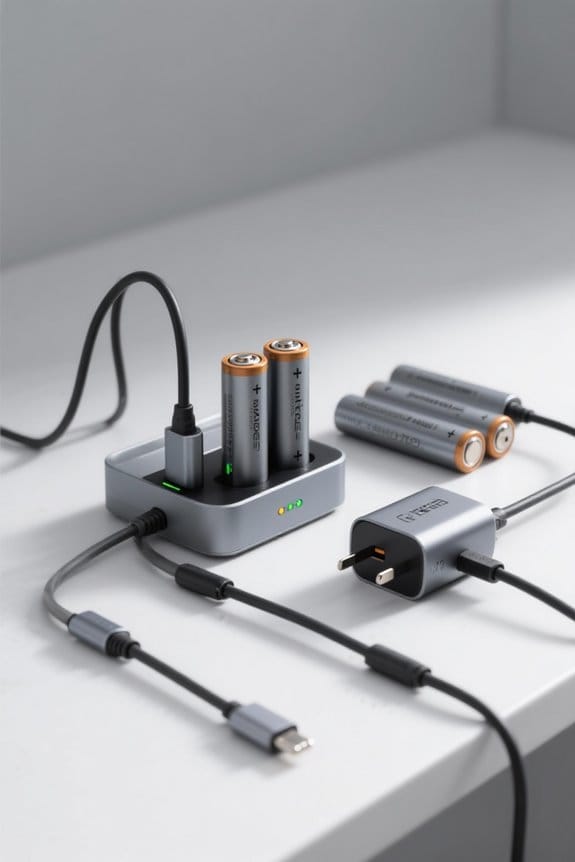
Understanding Different Charging Modes: Fast Vs Trickle Charging

Fast charging employs elevated voltage and current—often exceeding 50 kW—to recharge batteries from 0% to 50% in about 30 minutes, enhancing convenience but increasing thermal stress risks, whereas trickle charging applies a low, steady current near 2.25 to 2.3 volts per cell, minimizing heat and preventing overcharge, thereby promoting long-term battery health. Battery Management Systems modulate these modes to optimize safety and efficiency; further details clarify their operational distinctions and impacts.
Key Takeaways
- Fast charging supplies higher voltage and current to quickly recharge batteries, typically reaching 50% capacity in about 30 minutes.
- Trickle charging delivers a low, steady current that maintains battery capacity and prevents overcharging, ideal near full charge.
- Fast charging increases operational temperatures, risking battery wear, while trickle charging reduces thermal stress and promotes longevity.
- Battery Management Systems (BMS) regulate voltage and temperature in both modes to enhance safety and optimize charging efficiency.
- Trickle charging suits lead-acid and maintenance scenarios; fast charging is best for lithium-ion batteries needing rapid power restoration.
The Science Behind Charging: Voltage, Current, and Power
The interplay of voltage, current, and power forms the fundamental science behind battery charging, where voltage, measured in volts (V), functions as the electrical pressure driving energy into the battery, and current, measured in amperes (A), quantifies the rate at which electric charge flows during the process; power, expressed in watts (W) and calculated by multiplying voltage and current (W = V × A), directly indicates the overall charging speed and efficiency of the system. Battery chargers operate using varying voltage and current levels: fast chargers use higher voltage and current to hasten charging, while trickle chargers apply lower values for gradual energy delivery. Maintaining a proper balance among these parameters is essential to protect battery health, ensuring longevity without overheating or degrading internal battery components during charging cycles. In the context of energy consumption, accurate energy monitoring provided by smart plugs can be instrumental in optimizing charging practices, helping users to avoid unnecessary energy waste and potentially lower their energy bills.
How Fast Charging Speeds Up Your Device
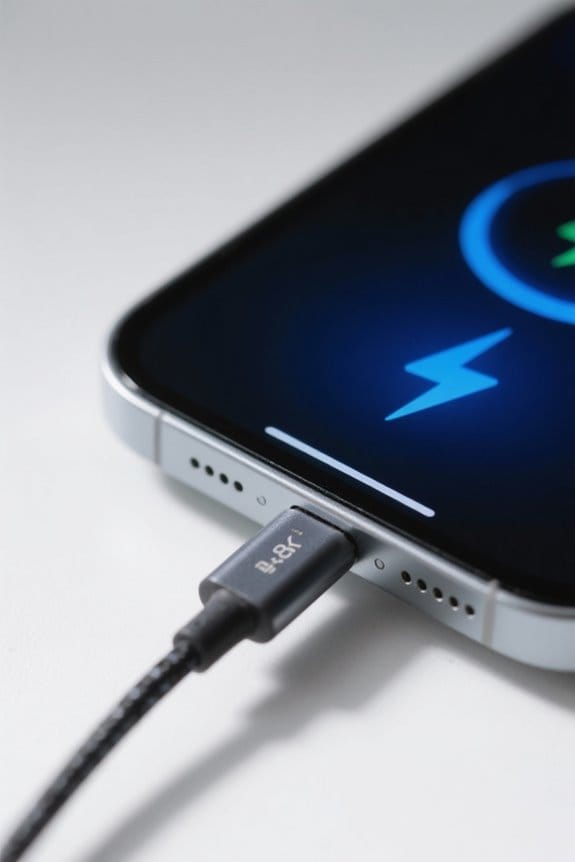
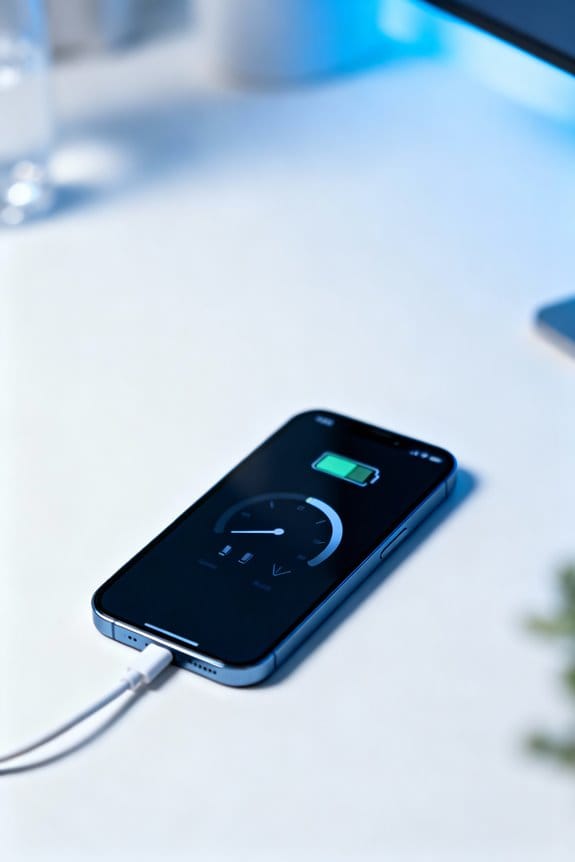
Applying higher power levels, fast charging technology can replenish a device’s battery from zero to fifty percent in roughly thirty minutes by pushing output beyond 18 watts, which notably outpaces the standard 5 to 10-watt charging rates commonly found in conventional chargers. This accelerated charging speed is achieved through protocols like USB Power Delivery, which dynamically adjust voltage and current to optimize efficiency and safety. Electronic devices integrate a battery management system (BMS) that continuously monitors temperature and charge levels, preventing overheating and mitigating potential battery degradation caused by the elevated power. While fast charging considerably reduces downtime, the balance between rapid energy transfer and thermal regulation is critical; the BMS ensures that charging remains both swift and secure, preserving battery health over repeated cycles without compromising device performance. Additionally, IP65 weather resistance rating is essential for devices exposed to adverse weather conditions, ensuring durability and prolonged functionality.
Recommended Products
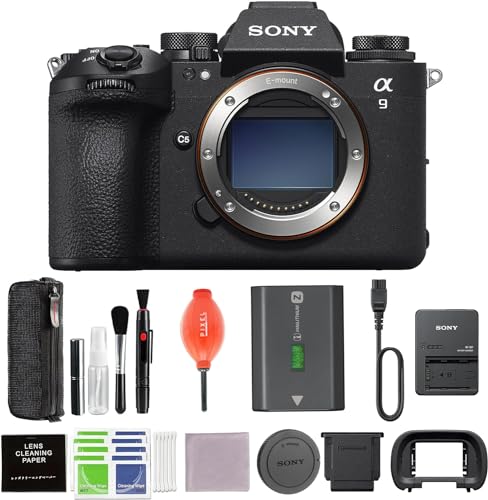
The Alpha 9 III introduces the world's first full-frame sensor with a global shutter, capturing fast-moving subjects without distortion, thanks to simultaneous pixel exposure and reading.
The Alpha 9 III introduces the world's first full-frame sensor with a global shutter, capturing fast-moving subjects without distortion, thanks to simultaneous pixel exposure and reading.

SONY ALPHA A9 II: Compact professional cameras mastered for sports photography and photojournalism
Characteristics and Benefits of Trickle Charging
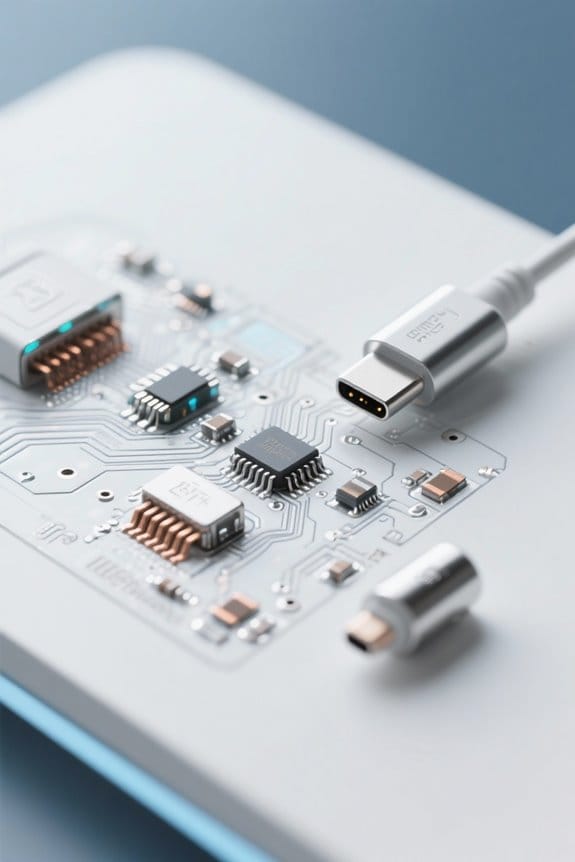
Although trickle charging operates at a substantially lower power output than fast charging, usually maintaining a float voltage between 2.25 and 2.3 volts per cell, it delivers a slow, steady current that sustains battery capacity without generating excessive heat; this approach is particularly advantageous for preserving battery health during extended periods of connection, as it minimizes stress and virtually eliminates the risk of overcharging, allowing chargers to remain connected indefinitely. As a charging method, trickle charging is especially suited for maintaining a fully charged battery over long durations, ensuring the battery remains at peak capacity without degradation. Furthermore, compared to rapid charging techniques, trickle charging promotes longevity by reducing thermal stress and electrical strain, making it the preferred choice for keeping batteries healthy and fully charged without risk. Additionally, many automatic battery chargers found in the market incorporate smart technology to manage trickle charging efficiently, ensuring optimal battery maintenance and safety.
Battery Management Systems and Charging Safety
Effective battery charging relies heavily on sophisticated Battery Management Systems (BMS), which continuously monitor critical parameters such as charge voltage, current, and temperature—often within precise ranges like 2.25 to 2.3 volts per cell—to optimize charging efficiency and prevent damage. Battery Management Systems play a pivotal role in both fast charging and trickle charge modes by adjusting power delivery in real time to maintain charging safety. During fast charging, the BMS safeguards against overheating and overcurrent conditions by communicating with certified chargers to modulate the charge rate, thereby preventing electrolyte boiling or overcharging. In trickle charge, advanced BMS supports multiple stages such as absorption and float phases to sustain battery health. Routine inspections and firmware updates further enhance charging safety and prolong battery lifespan across various operating conditions. Rechargeable batteries offer environmental benefits by reducing battery waste and decreasing reliance on single-use batteries.
Impact of Fast Charging on Battery Health
Fast charging introduces greatly higher operational temperatures—often exceeding those observed during trickle charging—due to rapid power transfer rates that may raise battery cell temperatures by 10 to 15 degrees Celsius within minutes, which, if unmanaged, can induce thermal stress and accelerate electrolyte degradation. While modern devices incorporate Battery Management Systems to monitor heat and adjust charging parameters, sustained fast charging still elevates chemical activity within cells, potentially reducing battery health over time. Fast charging’s higher charging speed allows a battery to reach 50% capacity in about 30 minutes, offering convenience but increasing wear risk compared to the gentler approach of trickle charging. Smart technology in battery chargers prevents overcharging and adapts to ambient conditions, helping to maintain battery health despite the different charging modes. Trickle charging, especially near full capacity, limits high voltage and current exposure, better preserving battery chemistry and overall lifespan.
When to Use Trickle Charging for Optimal Battery Care
Battery longevity benefits greatly from the controlled application of trickle charging, particularly when a battery has been deeply discharged and requires a gradual replenishment of charge to minimize thermal and electrochemical stress. Trickle charging is ideal when the battery charge level ranges between 95% and 100%, as this controlled approach prevents overcharging by maintaining a precise float voltage of 2.25 to 2.3 volts per cell. Such regulation markedly enhances battery health by minimizing heat generation and reducing stress compared to high-current fast charging methods. Additionally, trickle charging’s low energy consumption coupled with its capability to remain connected indefinitely without damage exemplifies its suitability for long-term maintenance, ensuring optimal care over a battery’s lifecycle while preserving capacity and durability under steady, slow power input conditions. High-capacity power banks feature safety mechanisms that protect against overheating and overcharging, enhancing the reliability and longevity of the charging process.
Portable Power Solutions Featuring Fast Charging Technology
While portable power solutions have evolved to meet diverse energy needs, the integration of fast charging technology considerably enhances their practicality by reducing downtime during recharging cycles, exemplified by products like the EcoFlow RIVER 2 series, which utilize patented X-Stream Technology to achieve a full charge from 0% to 100% within 60 minutes. These power stations feature high-power USB-C ports capable of simultaneously fast charging multiple devices, maintaining efficient energy distribution across varying charge levels. Equipped with Lithium Iron Phosphate batteries, they withstand over 3,000 charge cycles, markedly extending operational lifespan compared to conventional banks. By optimizing the relationship between portable power and charging station capabilities, these solutions offer energy independence, reducing reliance on traditional infrastructures in outdoor or emergency scenarios. Their fast charging performance guarantees device readiness and operational reliability when it is most critical. Many power banks now include overcharge protection and smart temperature control, ensuring the safety and longevity of devices during the charging process.
Recommended Products

[2200W Rapid Charging] Go from Zero to Full in Under Two Hours. Recharge at top speed with 2200W AC input (0–100% in 1.44 hours) or harness maximum sunlight with up to 2400W solar input. The built-in 2200W bi-directional inverter in the PowerMax 6000 enables ultra-fast AC charging, delivering a full battery in as little as 1.96 hours. Power up faster, stay out longer
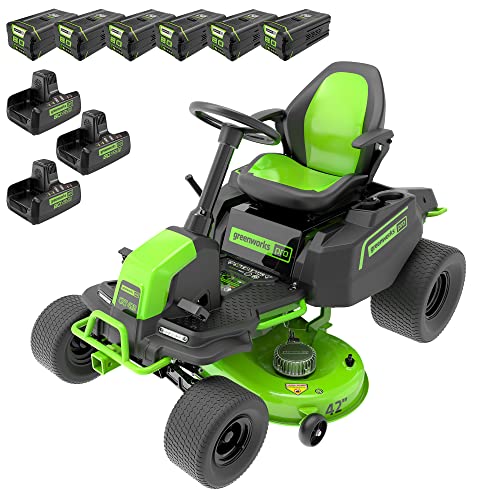
80V Motor – 2 x more torque, more power, longer runtimes, quiet operation, and extended motor life

OFF-GRID HYBRID POWER: 7.6kW Continuous, scales to 22.8kW. 10kW Turbo Output, scales to 30kW Turbo with triple units.
Comparing Charging Efficiency: Fast vs. Trickle
Although rapid replenishment of energy is highly desirable in many situations, charging efficiency varies markedly between high-power fast charging and low-rate trickle charging, with the former typically achieving approximately 50% battery capacity in around 30 minutes by delivering power outputs that can exceed 50 kW, while the latter method applies a steady, low-voltage current that slowly tops off the remaining 5% of capacity without generating substantial heat. Fast chargers optimize charging efficiency for quick energy intake through dynamic communication with the device, yet may reduce battery lifespan if used excessively. In contrast, trickle charge maintains high charging efficiency at low power rates, preventing overcharging and minimizing heat generation, allowing indefinite connection without damage. Multi-port USB-C PD and Qi wireless support are recommended for simultaneous fast charging, offering both speed and convenience. This difference underscores the complementary roles of fast charger and trickle charge methods in managing overall battery health and performance.
Safety Precautions and Best Practices for Charging
Since the charging process involves transferring electrical energy under varying voltage and current levels, adherence to specific safety precautions and best practices is essential to optimize performance while preventing thermal runaway and capacity loss; for example, certified fast chargers equipped with Battery Management Systems (BMS) should be employed to regulate temperature and voltage, maintaining safe charging speeds that typically do not exceed 50 kW. During fast charging, it is vital to avoid prolonged charger connection after full capacity to minimize heat generation, while trickle charging is advisable for deeply discharged batteries before switching to fast charging. Monitoring battery conditions, such as unusual heat or swelling, is necessary to detect distress early. Additionally, respecting recommended voltage thresholds, like not exceeding 2.45 volts per cell for lead-acid batteries, helps prevent damage and prolongs battery life. It’s important to prioritize safety mechanisms such as overcharge and thermal runaway protections when charging batteries to ensure user safety and extend the lifespan of the energy storage system.
Choosing the Right Charger for Your Device Needs
Selecting an appropriate charger depends largely on the device’s battery chemistry, capacity, and intended usage patterns, particularly when balancing charging speed against battery longevity and safety. For instance, lithium-ion batteries found in smartphones and laptops are compatible with fast chargers, which can charge devices from 0% to 50% in about 30 minutes. Devices with a Battery Management System (BMS) further optimize this process by monitoring temperature and charge levels. Using trickle charge is advisable when the battery is near fully charged—between 95% to 100%—to minimize heat and preserve battery health. In contrast, lead-acid batteries require slow, steady current typical of trickle charging. Selecting certified chargers and understanding different charging needs guarantees efficient, safe charge cycles tailored to specific device requirements. Alkaline batteries, commonly used in everyday devices like remote controls and flashlights, typically perform best under medium-drain applications and are not suited for fast charging.
Recommended Products
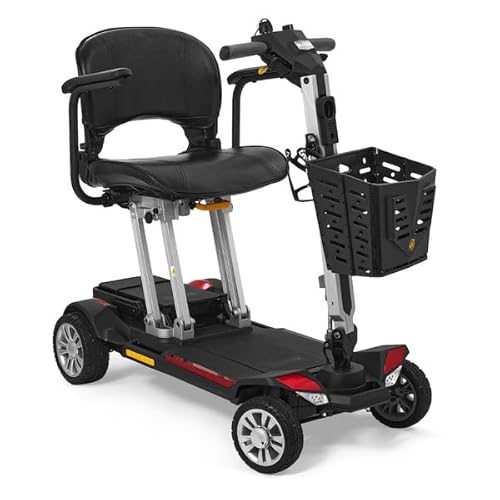
Breakdown: Easy wireless disassembly for anyone with an active lifestyle

2 Upgraded Heating Modes: 12V 165Ah Self-Heating Battery comes with Regular and Energy-Efficient options. Regular mode activates heating below 41℉(5℃) when charged, stops at 50℉(10℃) to begin charging—suits cold-weather needs.

CLEAN, SILENT POWER FOR HOME BACKUP, CAMPING, AND JOBSITES: The GB2000 delivers 1,600W continuous and 3,200W peak output from a 2,106Wh lithium battery — no fuel, no emissions, no noise — safe for use indoors or outdoors without restriction
Frequently Asked Questions
Is It Better to Trickle Charge or Fast Charge?
Trickle charging is better for long term battery maintenance due to lower heat generation effects, despite slower charging efficiency. Ideal charging practices favor trickle charging to preserve battery health, while fast charging prioritizes speed but risks battery lifespan.
Is It Okay to Leave a Trickle Charger on All the Time?
Leaving a trickle charger on all the time generally supports trickle charger safety and battery maintenance tips, minimizing battery lifespan impact. Charging frequency guidelines recommend regular monitoring to guarantee proper voltage levels and prevent overcharging, promoting peak battery health.
Is It Better to Slow Charge or Fast Charge Your Battery?
Slow charging generally promotes better battery health and charging efficiency by minimizing heat and stress. Fast charging suits urgent time management but may impact longevity. Device compatibility influences the ideal approach for balanced performance and durability.
Is 45W Faster Than 25W?
A 45W charger can reach 50% battery in roughly 30 minutes, illustrating significant charging speed comparison over 25W. Wattage impact improves charging efficiency but depends on device compatibility to fully utilize this power difference.