As an Amazon Associate, we earn from qualifying purchases. Some links on this site are affiliate links at no extra cost to you. Our recommendations are based on thorough research and editorial judgment.

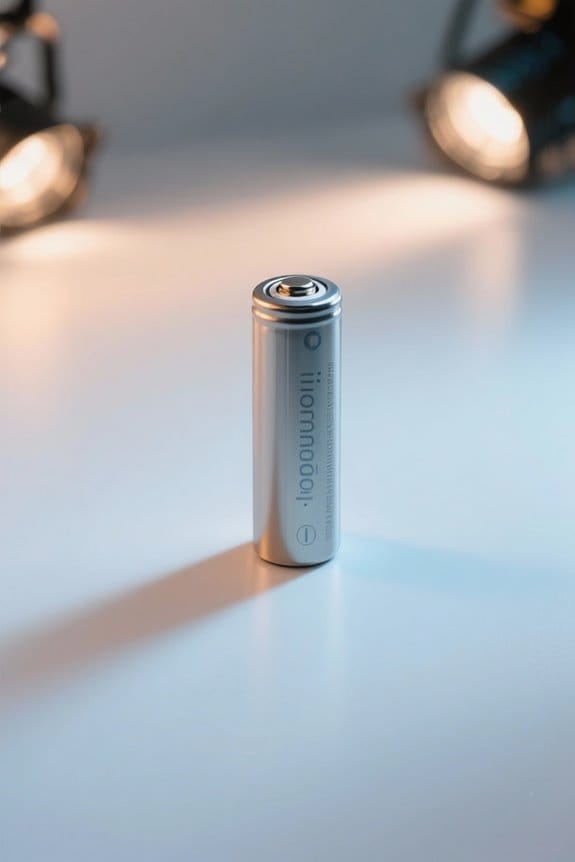
Why Do Batteries Get Hot When in Use

Batteries get hot during use mainly because their internal resistance transforms electrical energy into heat, especially under high discharge currents or rapid charging, causing temperatures to surpass the recommended 20 to 40 degrees Celsius range. As internal resistance rises with battery age or damage, heat generation increases, which may lead to over 45°C, reducing capacity by over 20%. External factors like poor contacts or high ambient temperatures worsen heat buildup. Understanding these dynamics reveals important safety and performance considerations.
Key Takeaways
- Batteries generate heat due to internal resistance converting electrical energy into thermal energy during discharge and charging.
- High current loads and rapid charging increase heat production from accelerated electrochemical reactions inside the battery.
- Aging batteries develop higher internal resistance, causing them to heat up more during use.
- Poor terminal contact and internal short circuits limit heat dissipation, leading to increased battery temperatures.
- Operating above recommended temperatures (over 45°C) intensifies heat buildup and reduces battery capacity.
Understanding Battery Overheating
Understanding Battery Overheating
Although battery overheating may appear as a simple rise in temperature, it fundamentally results from internal resistance converting electrical energy into heat during both charging and discharging phases, often pushing the temperature beyond the recommended operating range of 20 to 40 degrees Celsius. This heat generation intensifies particularly under excessive discharge currents or rapid charging conditions, where the battery’s internal components face strain beyond design specifications. Internal resistance, inherently present in all batteries, acts as a source of thermal energy due to electrical losses, contributing to temperature increases that may escalate risk factors. Without adequate thermal management, sustained overheating can trigger thermal runaway, a dangerous feedback loop causing uncontrollable temperature rises, performance degradation, and possible safety hazards, emphasizing the critical importance of monitoring and controlling battery temperature during regular operation. Additionally, high-impact plastic cases are essential for reducing the risk of short circuits and accidental discharge, aiding in the safe operation of battery-powered devices.
The Chemistry Behind Battery Heat Generation
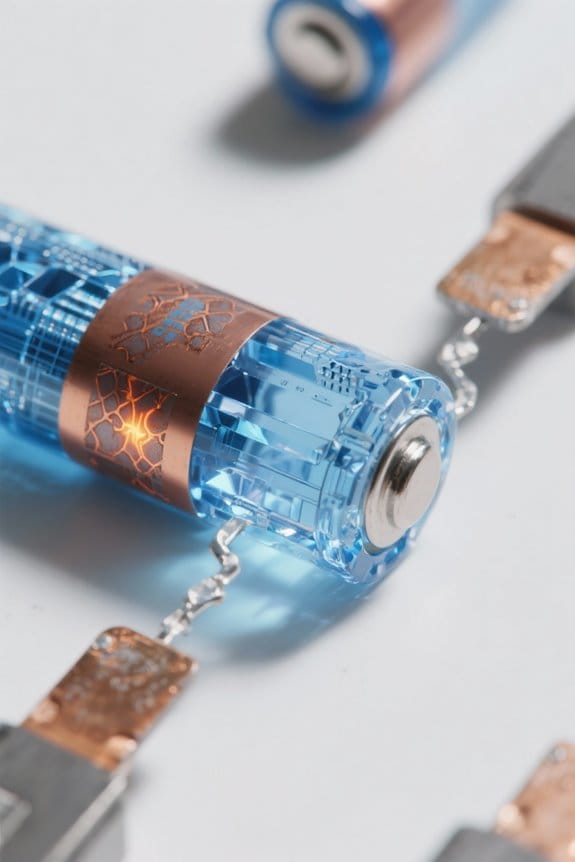
The processes occurring within a battery’s electrochemical cells, involving an intricate series of oxidation and reduction reactions, fundamentally contribute to heat generation during operation, as these reactions are typically exothermic and release thermal energy proportional to the current load and reaction kinetics. Chemical reactions within the battery generate heat that correlates directly with the demand placed on the battery, especially under high current conditions where reaction rates escalate. Additionally, internal resistance plays a significant role by converting some electrical energy into heat, intensifying thermal output as current flow increases. This combined effect means that batteries, particularly lithium-ion types, exhibit measurable temperature rises—often several degrees Celsius—during rapid discharge tests at currents above one ampere, highlighting the intricate balance between electrochemical efficiency and unavoidable heat generation. Proper battery disposal is essential to mitigate environmental impact, as lithium-based batteries can be recycled through specialized programs.
Common Causes of Battery Overheating
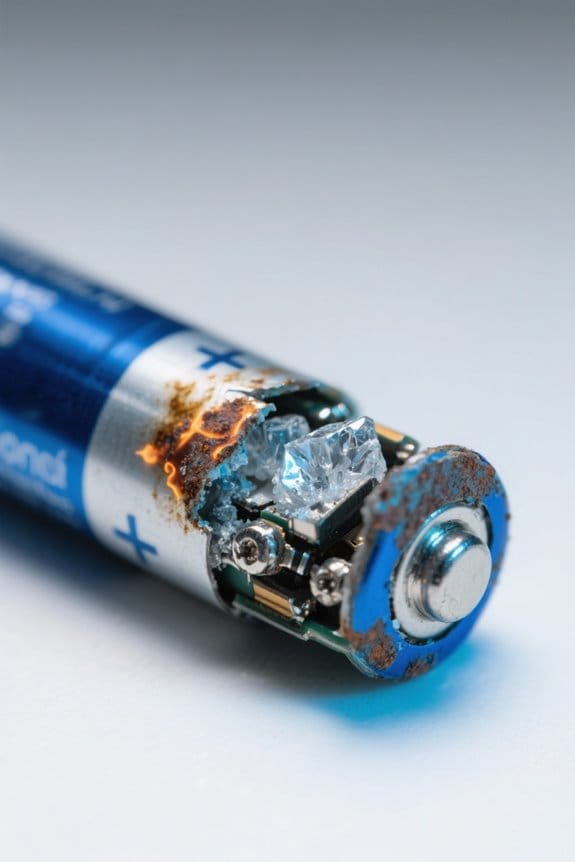
Significant heat generation in batteries commonly stems from internal resistance, which converts electrical energy into thermal energy during discharge currents reaching or exceeding rated outputs, often above one ampere, where rapid heat accumulation occurs within minutes. Batteries subjected to excessive discharge currents beyond their specifications experience overheating due to intensified energy loss as heat. Continuous high-load use, such as powering multiple devices simultaneously, elevates internal temperatures further. Additionally, poor contact at battery terminals or internal short circuits cause localized heat surges, heightening overheating risks. External factors like elevated ambient temperatures or improper storage adjacent to conductive materials exacerbate these effects by limiting heat dissipation. Understanding these common causes of battery overheating helps identify operational and environmental conditions promoting unsafe temperature increases, ultimately safeguarding battery performance and longevity. Using battery voltage testers can help diagnose battery conditions accurately, ensuring they are operating within safe parameters and extending their lifespan.
Recommended Products

Whole-Home Off-Grid Power: Still worried about power outages or unstable electricity? This system includes six 51.2V 100Ah LiFePO4 batteries and one 10000W MPPT hybrid inverter. It can support high-power appliances such as refrigerators and air conditioners, enabling stable whole-home power supply. It meets the needs of off-grid living and backup power, providing a reliable solution for energy independence.
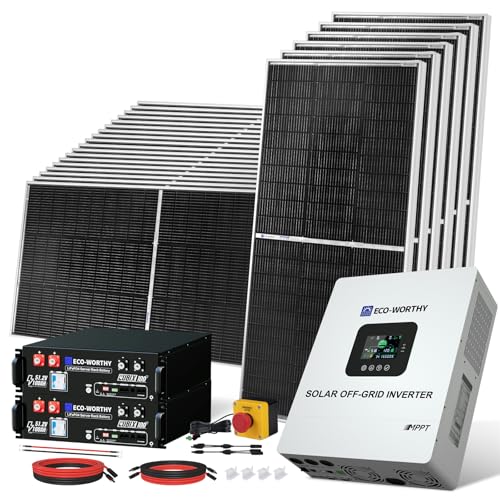
Full Off-Grid Solar Solution: Achieve energy independence with a robust renewable solution! Take control of your energy independence with the ECO-WORTHY comprehensive off-grid solar kit. This package includes two 48V 100Ah LiFePO4 integrated communication batteries, 24pcs 195W N-Type bifacial solar panels, and a powerful 5000W off-grid solar inverter equipped with a 100A MPPT solar charge controller, as well as all the necessary cables and mounting brackets.

elf-Heating Technology for Reliable Winter Performance: Equipped with an advanced self-heating function, the WT5100 51.2V 100Ah LiFePO4 battery automatically warms battery cells in low-temperature environments to support safer charging and improved winter performance. Compared with standard lithium batteries, this 48V server rack battery delivers more reliable power in cold climates, making it ideal for solar energy storage, off-grid systems, cabins, RV power, and home battery backup.
How Internal Resistance Affects Battery Temperature
When a current flows through a battery, internal resistance converts part of the electrical energy into heat, causing the battery temperature to rise in direct proportion to both the current magnitude and the resistance level; for instance, a 1-ampere discharge through a battery with 0.5 ohms internal resistance produces approximately 0.5 watts of heat, measurable via thermal sensors within a controlled environment. The heat generated increases as either internal resistance or charging current rises, directly impacting battery temperature and, consequently, battery performance. Over time, as batteries age and internal resistance typically increases, more heat is produced during normal use, diminishing efficiency. Different battery chemistries and designs exhibit varied internal resistance, influencing how hot they become under load, making internal resistance a critical metric for evaluating battery health and thermal safety. High-efficiency LEDs in outdoor downlights can reduce energy consumption and heat generation, offering a model for efficient energy use and thermal management.
Recommended Products

Self-Heating Function: Automatically activates when charging at -20°C to 5°C (-4°F to 41°F). Choose between Regular and Energy-efficient heating modes via the LiTime APP for optimal cold-weather performance.
Self-Heating Function: Automatically activates when charging at -20C to 5C (-4F to 41F). Choose between Regular and Energy-efficient heating modes via the LiTime APP for optimal cold-weather performance

BYD Cells & Absolutely Reliable: Power your system with premium BYD LiFePO4 cells, outperforming many lithium-ion products on the market. Built with a high-performance 100A BMS, it offers comprehensive protection for reliable operation. The system safeguards against overcharging, over-discharging, overload, and short circuits, while its low-temp cutoff and overheat protection ensure adaptability to extreme weather and emergency outages. It also provides dual safety guarantees: power forced off/on and an air switch for auto-shut off when overload.
Signs and Symptoms of an Overheating Battery
Increased internal resistance and elevated current flow inherently raise a battery’s temperature, often leading to observable indicators of overheating that are critical for safe operation and performance assessment. An overheating battery may show deformation or swelling caused by excess heat, signaling increased internal pressure often linked to an internal short. Surface temperatures exceeding normal operating ranges—typically around 35–45°C—serve as quantifiable signs. Additionally, symptoms of potential failure include emission of distinct odors or smoke due to accelerated chemical reactions within the cells. Reduced charging efficiency, identifiable through longer charging durations and diminished discharge capacity compared to baseline metrics, further indicates thermal distress. Visual deterioration, such as dull or crinkled battery casing, complements these diagnostic criteria, offering measurable and reliable evidence necessary for timely intervention and maintenance. Choosing an extension cord with adequate voltage and amperage can help prevent overheating issues in devices powered by batteries.
Safety Risks Associated With Hot Batteries
Thermal hazards linked to hot batteries arise primarily from elevated internal temperatures that may surpass 60°C, a threshold well above the typical safe operating range of 20–45°C; these conditions increase the likelihood of ignition or burns, particularly if the battery experiences a short circuit while in proximity to conductive materials such as metal tools or jewelry. When a battery overheats, increased internal resistance accelerates heat generation, raising safety risks by promoting thermal runaway—a rapid, uncontrolled temperature rise that can cause casing deformation, leakage, or rupture. Monitoring temperature is essential since abnormalities like swelling, smoke, or unusual odors signal imminent failure. Proper storage by separating batteries from metallic objects and vigilant temperature tracking mitigate the risk of hazardous events, ensuring safe usage by preventing dangerous internal chemical reactions associated with excessive heat. Regular automatic testing ensures continuous ground fault protection, helping to prevent thermal hazards in related electronic devices.
Effects of Heat on Battery Performance and Lifespan
Excessive heat exposure within a battery’s internal environment accelerates electrochemical reactions, which contributes to the gradual degradation of active materials and causes a measurable decline in overall capacity, often exceeding 20% loss after sustained operation above 45°C; controlled laboratory testing demonstrates that electrolytes begin to evaporate progressively at temperatures above 60°C, increasing internal resistance by as much as 15%, thereby impairing charge acceptance rates and reducing energy efficiency. Heat within the battery considerably shortens Battery Life by promoting swelling and leakage, while elevated operating temperature heightens risks of thermal runaway, which can cause rapid, uncontrollable temperature spikes. Maintaining moderate heat within operational limits is critical, as increased internal resistance and chemical breakdown at high temperatures cumulatively degrade performance and ultimately reduce the battery’s functional lifespan. Rechargeable batteries mitigate environmental impact due to their reduced waste, offering a sustainable option compared to single-use alternatives.
Preventative Measures to Avoid Battery Overheating
Because batteries generate heat through electrochemical reactions that intensify under improper conditions, implementing preventative measures is crucial to avoid overheating and preserve both safety and performance; for example, storing batteries in environments with temperatures ranging between 30°F and 70°F minimizes thermal stress, while regular monitoring of the state of charge—specifically preventing over-discharging below 20% or overcharging above 80% capacity—reduces the likelihood of excessive heat generation. To guarantee that the battery operates safely, employing a battery management system is critical, as it regulates voltage and current during charging the battery, thereby preventing overcharging. Additionally, using chargers matched to battery specifications, avoiding conductive material contact, and removing batteries from unused devices further mitigate risks linked to overheating and potential thermal runaway events. Smart chip technology in modern chargers plays a significant role in maintaining battery health by preventing overcharging and ensuring efficient charging processes.
Recommended Products

Copper cable certifier for TIA category 5 through 6A, twisted-pair cabling with touchscreen project management, 10 second Cat 6A test time, TIA Level IIIe accuracy, professional reports through free LinkWare software / service, advanced troubleshooting, 8-hour battery life

【32153Wh LiFePO4 Battery】 Dawnice’s newest line of batteries –2 sets 51.2V 314Ah LiFePO4 battery provides 6000+ cycles & a 10 years lifetime with built-in 100A Battery Management System (BMS) protects it from overcharge, deep discharge, overloading, overheating and short circuit, and excessive low self-discharge rate. Support in parallel up to 16 sets, can be expanded in the future.

Canon USA Authorized. Items Include: Canon EOS R5 Mark II Mirrorless Camera | 45MP Full Frame Sensor 8K Video Recording, Canon RF 100-500mm f/4.5-7.1L IS USM Lens, Canon Mount Adapter EF-EOS R, Replacement LP-E6P Lithium-Ion Battery, 64GB SF-G TOUGH Series UHS-II SDXC Memory Card, Canon EOS 200ES Shoulder Bag
Cooling Techniques for Overheated Batteries
Several practical cooling techniques exist for managing batteries that exceed safe temperature thresholds, including immediate removal from active devices combined with placement in well-ventilated environments where ambient temperatures remain between 60°F and 75°F to facilitate rapid heat dissipation. Employing a battery management system (BMS) plays an essential role in overseeing temperature fluctuations and regulating discharge rates to prevent overheating. Additionally, minimizing heat accumulation is achievable by charging batteries within shaded or climate-controlled areas, thereby reducing ambient thermal stress. Users are advised to regularly inspect battery conditions such as swelling or deformation, which could signal thermal risks demanding prompt intervention. Collectively, these cooling techniques enable safer operation by dissipating heat effectively, reducing thermal degradation, and extending battery service life while preventing catastrophic failures due to excessive temperature elevations. Using a water-resistant storage case can further protect batteries from environmental factors that contribute to overheating.
Recommended Products

【Powerful】❶Adopts ZONSEN 750cc 25hp 45° V-twin design, horizontal shaft, air cooled, 4-stroke, OHV gasoline engine, and equipped with a 12V36Ah lead-acid battery. ❷Upgraded electric start, simple and fast startup. ❸Strong power, stable working, long time chipping. Suitable for enterprises, project managers, farmers, homeowners, contractors, and horticulturists.

Ideal for Premium Property Owners: The Yarbo Lawn Mower Pro features modular design, strong cutting system and fully autonomous navigation for low-effort, reliable lawn care. It cuts thick, wet, overgrown grass with ease, suitable for homes, golf courses, turf farms, luxury hotels and resorts.

【Next-Generation Robotic Companion: Meet the Unitree Go2 Robotic Dog】 The Unitree Go2 X is a powerful and intelligent quadruped robot designed for tech enthusiasts, researchers, and developers seeking ultimate performance and expandability. It measures 27.6""x12.2""x15.7"" and weighs just 33 lbs, yet carries up to 17.8 lbs and reaches speeds of 3.7 m/s. Its advanced joint mobility allows it to climb 40° slopes and overcome 6.3"" obstacles. An 8000 mAh battery provides 1–2 hours of operation.
Differences in Heat Generation Among Battery Types
A variety of battery chemistries generate different levels of heat during operation, influenced primarily by their internal resistance and chemical composition, which directly affect performance under various discharge rates and environmental conditions. Lithium-ion batteries exhibit lower internal resistance, typically below 50 milliohms, resulting in reduced heat generation even under high current loads, such as 10 amps, compared to nickel-cadmium batteries that register higher internal resistance near 100 milliohms. This difference causes nickel-cadmium batteries to generate substantially more heat during use, particularly at elevated discharge rates. Conversely, alkaline batteries experience increased heat generation due to their comparatively high internal resistance, which exacerbates heating during high current draws. Heat generation correlates linearly with the square of current times internal resistance, making internal resistance and chemistry decisive factors in thermal performance across battery types. High-capacity alkaline AA batteries are recommended for high-drain devices like toys, as they combine longer-lasting power with reduced environmental impact.
Recommended Products

HOME SAFE: Protect your valuables with this personal safe, complete with soft interior lining and removable shelving; use as a laptop safe, jewelry safe and more
【3500mAh LONG-LASTING DURABLE】 NINMAX new upgraded 3500mAh lithium AA batteries high-performance constant output, using high-density materials to accumulate amazing energy.

720 pack of Bevigor Lithium AA Batteries
Best Practices for Safe Battery Usage and Storage
Although batteries function efficiently within specified operational limits, adherence to best practices in usage and storage is essential to mitigate risks of overheating and extend service life, particularly when ambient temperatures range between 30 and 70°F, a typical ideal storage window. Storing batteries outside this temperature range can increase internal resistance, resulting in high heat generation during use. Removing batteries from unused devices prevents idle discharge that over time raises temperature and causes the battery to overheat. Additionally, avoiding mixing brands, ages, or chemistries reduces uneven discharge rates and heat buildup. Proper charging using the correct charger maintains effective current flow and prevents excess heat. Frequent inspections for swelling or leaks identify overheating risks early, enabling prompt intervention and safe disposal to avoid hazardous failures.
Frequently Asked Questions
Is It Normal for Batteries to Get Hot?
Like a blacksmith’s forge glowing, batteries normally produce heat during use. This heat generation reflects battery performance and usage frequency but requires monitoring to prevent safety concerns and maintain ideal energy efficiency throughout the device’s lifespan.