As an Amazon Associate, we earn from qualifying purchases. Some links on this site are affiliate links at no extra cost to you. Our recommendations are based on thorough research and editorial judgment.

Understanding Charge Cycles and Battery Health Monitoring

Battery charge cycles refer to full discharges followed by complete recharges, with lithium-ion batteries typically sustaining 300 to 1,000 cycles before notable capacity loss occurs, while high-capacity NiMH cells endure up to 1,200. Monitoring involves tracking voltage, current, temperature, and capacity through battery management systems utilizing Coulomb counters and software algorithms, which enable accurate state-of-charge and state-of-health assessments. Maintaining charges between 20% and 80% helps prolong life. Further exploration reveals precise measurement techniques and longevity optimization strategies.
Key Takeaways
- A charge cycle is full discharge followed by recharge, with lithium-ion batteries enduring 300-1,000 cycles before performance decline.
- Battery health is monitored through parameters like voltage, current, temperature, SOC, and SOH to assess capacity and efficiency.
- Increased charge cycles reduce battery SOH, leading to lower capacity and potential unexpected shutdowns due to internal impedance.
- Accurate tracking of charge cycles uses voltage/current data and algorithms to predict remaining useful battery life and prevent downtime.
- Maintaining charge between 20%-80%, using smart charging, and stable storage conditions helps maximize battery longevity and performance.
Overview of Battery Charge Cycles
The concept of a battery charge cycle encompasses the complete process by which a rechargeable battery undergoes depletion and subsequent replenishment of its energy capacity, quantified specifically as one full discharge totaling 100% of capacity followed by recharging to maximum levels; this measurement method allows partial discharges to aggregate and count as a single cycle, providing a standardized approach for evaluating battery lifespan. Lithium-ion batteries, prevalent in many devices, including recent iPhone models, typically endure between 300 and 1,000 battery cycles before noticeable declines in battery capacity and performance issues arise. Effective monitoring of battery health involves understanding how each charge cycle incrementally reduces capacity, with strategies such as avoiding full charges and discharges to extend battery life, thereby balancing operational efficiency against the inevitable degradation inherent in rechargeable batteries. Many modern rechargeable AA batteries, such as high-capacity NiMH cells, are designed to withstand between 300 and 1,200 cycles, making them a reliable choice for high-drain devices and contributing to reduced long-term costs.
Key Parameters for Battery Health Monitoring
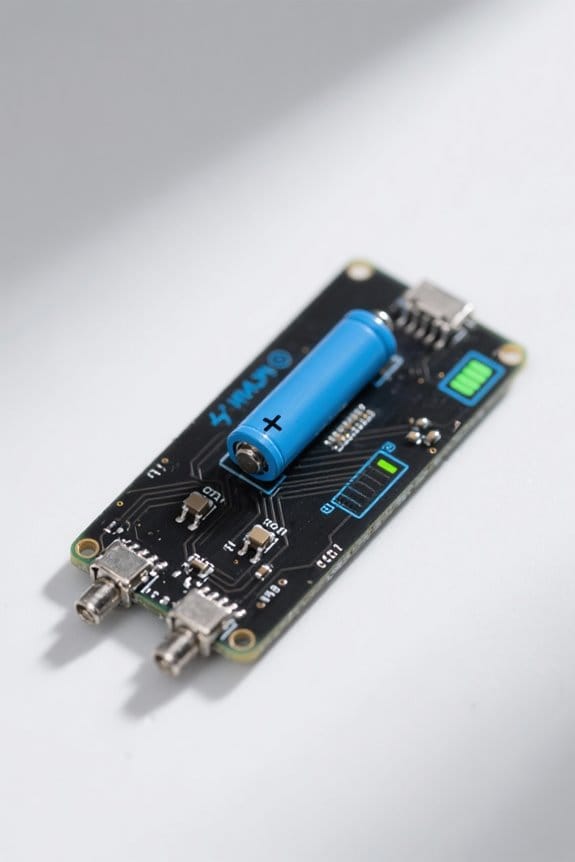
Understanding the rate of capacity loss in lithium-ion batteries following hundreds of charge cycles necessitates careful measurement of several interconnected parameters, particularly the State of Charge (SOC) and State of Health (SOH), which together provide a detailed picture of current battery performance. SOC quantifies the available battery capacity relative to its maximum, functioning much like a fuel gauge, while SOH assesses the overall battery condition by comparing present capacity to the original design capacity. Effective battery health monitoring depends on continuous data collection by battery management systems, which track voltage, current, and temperature to prevent overcharging or deep discharging. These parameters collectively inform accurate SOC and SOH estimations, essential for evaluating battery lifespan and performance across numerous charge/discharge cycles, thereby supporting timely maintenance or replacement decisions. Many modern battery monitoring systems also incorporate Bluetooth integration, allowing real-time alerts and easy setup for users managing battery health remotely.
Impact of Charge Cycles on Battery State of Health
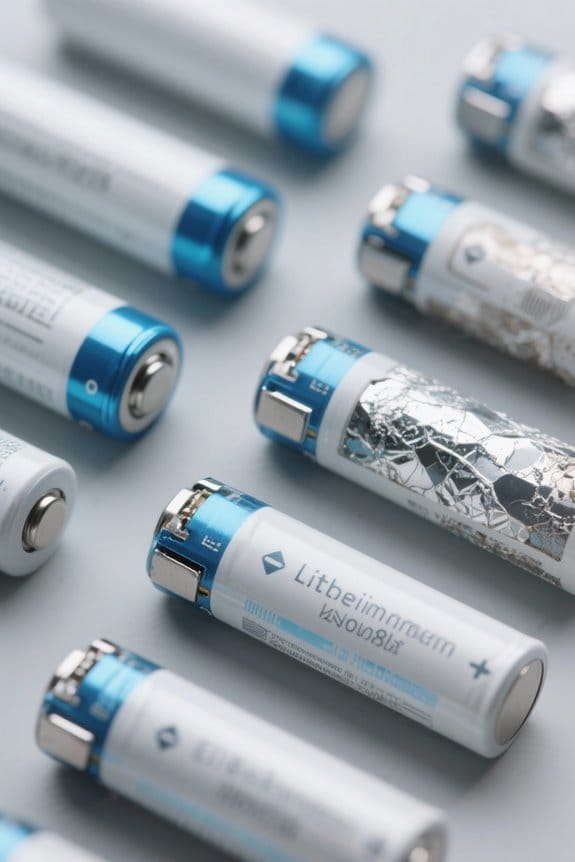
Battery degradation is an inherent consequence of charge cycles, each representing the complete use and recharge of 100% battery capacity, which cumulatively diminish the State of Health (SOH) by reducing maximum charge capacity and internal efficiency. As the number of charge and discharge cycles increases, lithium-ion batteries experience battery aging, resulting in lower maximum capacity and diminished performance. For instance, iPhone 14 models maintain around 80% capacity after approximately 500 cycles, whereas iPhone 15 models achieve similar capacity after 1,000 cycles, reflecting advances in battery service life. Continued cycling increases internal impedance, which can cause unexpected shutdowns in aged batteries. Super heavy-duty batteries, when stored in cool, dry places, can have a shelf life of up to 10 years, minimizing self-discharge and maximizing performance. Consequently, careful monitoring of charge cycles is essential to assess battery health accurately and predict diminishing capacity and performance, factors critical for effective battery management and prolonged battery service.
Methods for Measuring and Tracking Charge Cycles
Although numerous techniques exist to quantify charge cycles in lithium-ion batteries, most rely on precise measurements of energy throughput combined with voltage and current monitoring, enabling accumulation of partial discharge events into full cycle equivalents. Accurate tracking of charge cycles plays a pivotal role in evaluating battery health, predicting capacity and performance degradation, and estimating battery lifespan. Monitoring typically involves specialized software algorithms that analyze data to forecast remaining useful life (RUL) and inform device performance optimization. By integrating continuous tracking, stakeholders can maintain battery efficiency while mitigating risks of unexpected downtime, especially in critical applications like medical devices. These measurement methods, leveraging detailed discharge and recharge profiles, provide an extensive understanding of battery degradation patterns, thereby supporting precise interventions to improve overall performance and longevity. Battery Coulomb Counters, such as the AILI-037 Battery Coulomb Counter, are essential tools for precise state-of-charge monitoring, enhancing the accuracy of cycle tracking and extending battery life.
Strategies to Maximize Battery Performance and Longevity
Several proven strategies greatly contribute to maximizing lithium-ion battery performance and longevity, focusing primarily on ideal charge level management, precise cycle count awareness, and environmental controls. Maintaining battery charge between 20% and 80%, thereby avoiding deep discharges and full charges, greatly helps preserve battery capacity and extend battery life. Monitoring battery health through real-time monitoring tools allows users to track cycle counts and identify capacity declines, which for devices like the iPhone 14 and 15 correspond to retention of 80% capacity after 500 and 1000 cycles, respectively. Optimizing charging methods, such as employing smart charging protocols, reduces stress on the battery cells. Additionally, maintaining stable ambient temperatures during storage, ideally near 50% charge, minimizes chemical degradation. Together, these strategies enhance battery lifespan and help maximize battery performance over prolonged usage periods. Moreover, reliable power from batteries with a 10-year shelf life, such as those from trusted brands like Amazon Basics and Energizer, ensures that devices remain operational when needed most.
Tools and Technologies for Battery Health Management
Effective management of lithium-ion cells increasingly relies on sophisticated tools and technologies designed to provide granular insights into battery health metrics, such as state of charge (SOC), state of health (SOH), cycle count, and temperature fluctuations. Battery management systems (BMS) dynamically regulate SOC and prevent overcharging or deep discharging, thereby extending battery lifespan. Real-time monitoring systems, including fiber-optic sensors, continuously track voltage, current, and temperature to assess battery performance accurately. Predictive analytics and machine learning algorithms analyze historical cycle counts and usage patterns to forecast remaining useful life (RUL). Industry-specific software allows thorough monitoring of charge cycles in various electronic devices, offering actionable data that informs optimized charging habits. Integrating these tools enhances battery health management, ensuring informed decisions can be made to maximize battery lifespan while maintaining reliable performance across applications. In particular, cell balancing accuracy is crucial for maintaining efficiency and extending the life of battery packs.
Frequently Asked Questions
Does the Charge Cycle Affect Battery Health?
The charge cycle greatly affects battery health by influencing energy depletion rates and lithium ion performance. Battery longevity factors include discharge patterns, temperature effects, recharge intervals, daily charging habits, charging technologies, and battery maintenance tips optimizing lifespan.
Is 20 to 90 a Good Charge Cycle?
The 20 to 90 charge percentage range is considered ideal charging for lithium-ion batteries. This charge management strategy enhances battery lifespan, energy efficiency, battery longevity, and mitigates heat effects, promoting healthier charging habits and smarter charging overall.
Is 300 Charge Cycles Good?
Though 300 charge cycles mark respectable cycle longevity, battery lifespan and charge efficiency inevitably wane. Device performance demands vigilant power management, while usage and charging habits influence replacement signs. Maintenance tips mitigate environment impact, extending functional lifespan.
How Many Charge Cycles Is a Battery Good For?
A battery is generally good for 300 to 1,000 charge cycles. Battery longevity tips emphasize ideal charging habits, managing discharge rates, temperature effects, usage patterns, charging frequency impact, signs of wear, maintenance strategies, and battery recycling options to maximize average battery lifespan.