As an Amazon Associate, we earn from qualifying purchases. Some links on this site are affiliate links at no extra cost to you. Our recommendations are based on thorough research and editorial judgment.

When Rechargeable Batteries Make More Sense Than Disposable

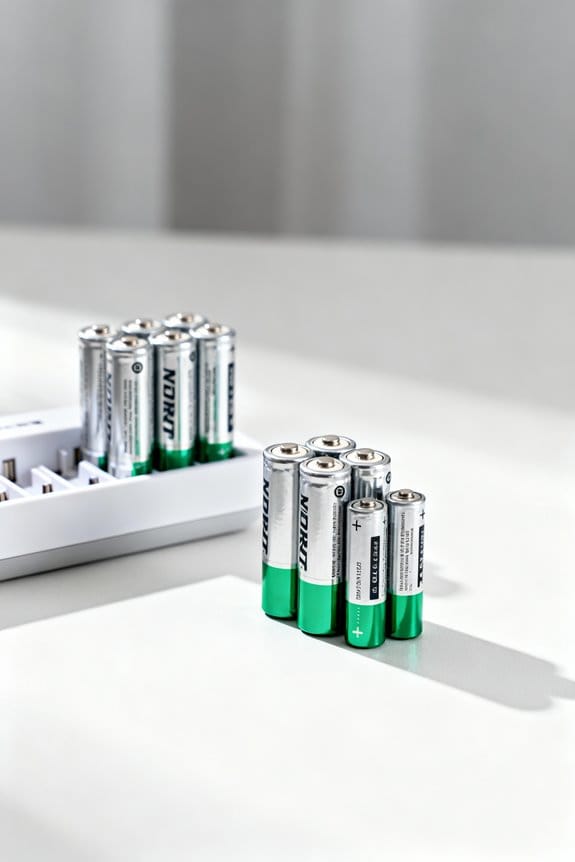
Rechargeable batteries, such as NiMH and Li-ion with nominal voltages around 1.2 volts, make more sense than disposable ones in high-drain devices by providing three to four times the energy capacity and sustaining over 1,000 recharge cycles, considerably reducing operational costs from $100-$120 annually to an initial $20 investment. Their lifecycle emits approximately 28% less greenhouse gases and cuts waste by using 4.3% of production resources, while proper maintenance and device compatibility enhance longevity and safety. Further details explain ideal use cases and economic benefits.
Key Takeaways
- Rechargeable batteries are ideal for high-drain devices, providing 3-4 times longer runtime than disposables.
- They offer significant cost savings over time by replacing up to 4,000 disposable batteries.
- Using rechargeables reduces environmental waste and lowers greenhouse gas emissions by about 28%.
- Proper maintenance and storage extend rechargeable battery lifespan, enhancing safety and efficiency.
- Rechargeable batteries support sustainability goals by using recycled materials and reducing landfill waste.
Understanding Primary and Secondary Battery Types
Although primary and secondary batteries serve the fundamental purpose of providing electrical energy, they differ greatly in design and application, with primary batteries being single-use cells such as alkaline, zinc-carbon, and lithium variants that deliver approximately 1.5 volts per cell but cannot be recharged, which necessitates disposal after depletion; in contrast, secondary batteries—commonly nickel-metal hydride (NiMH) and lithium-ion (Li-ion)—offer rechargeability, a nominal voltage around 1.2 volts for NiMH, and consistent discharge stability, making them preferable for devices with sustained, high energy demands. Primary batteries, known as disposable batteries, offer convenient upfront usage without recharge cycles, while rechargeable batteries like NiMH batteries and Li-ion batteries present high energy density and durability, supporting extensive reuse to meet ongoing energy needs despite a higher upfront cost. The energy density of Li-ion batteries supports intensive, portable applications, underscoring their value beyond conventional primary batteries. Additionally, many NiMH batteries today come with low self-discharge technology, allowing them to retain a substantial portion of their charge over years of storage, enhancing their practicality.
Recommended Products
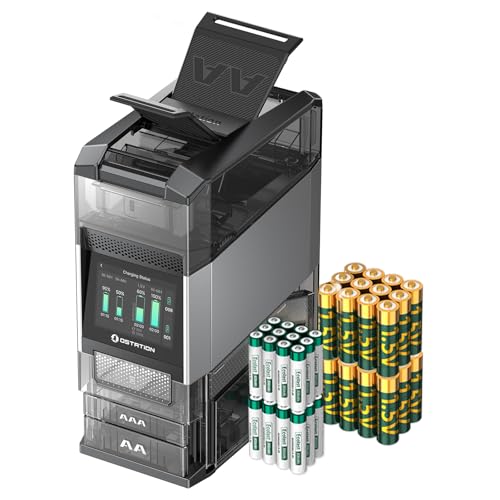
【𝐂𝐨𝐦𝐩𝐥𝐞𝐭𝐞 𝟒𝟖-𝐄𝐜𝐨𝐥𝐚𝐬𝐭 𝐁𝐚𝐭𝐭𝐞𝐫𝐲 𝐁𝐮𝐧𝐝𝐥𝐞 - 𝐑𝐞𝐚𝐝𝐲 𝐭𝐨 𝐔𝐬𝐞】All-in-one solution includes Ostation 2 Pro charger + 24 Ecolast 1.5V Li-ion AA batteries + 24 NiMH AAA batteries, no extra purchase needed. This rechargeable battery station stores up to 12AA+12AAA, keeping all batteries organized—ideal for homes, offices, gamers and photography enthusiasts with heavy battery needs

Product 1: EXTREMELY POWERFUL NiMH RECHARGEABLE BATTERIES: eneloop pro AA high-capacity Ni-MH pre-charged rechargeable battery deliver up to 2600mAh typical, 2500mAh minimum

Product 1: EXTREMELY POWERFUL NiMH RECHARGEABLE BATTERIES: eneloop pro AA high-capacity Ni-MH pre-charged rechargeable battery deliver up to 2600mAh typical, 2500mAh minimum
Economic Benefits of Rechargeable Batteries Over Time
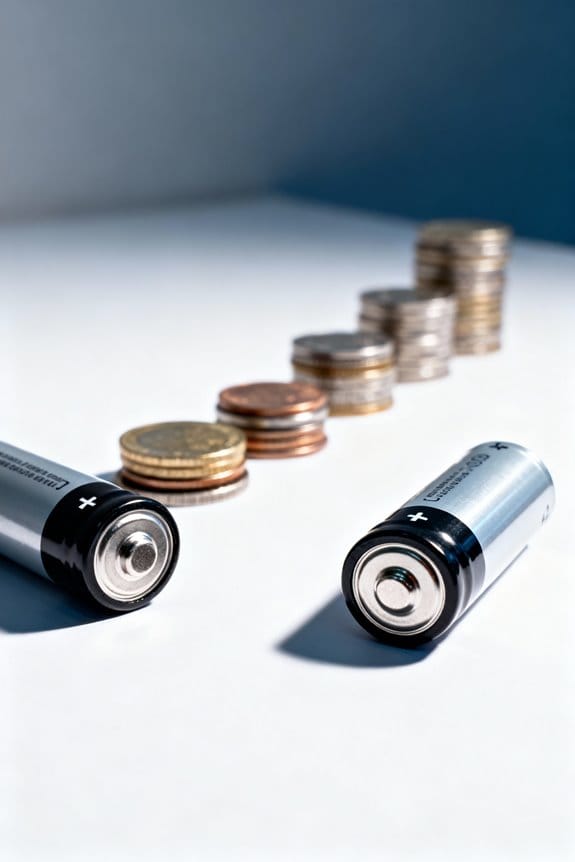
The economic advantages of rechargeable batteries become evident when comparing the cumulative costs and performance efficiencies over extended usage periods to those of disposable counterparts. A single rechargeable battery, such as a NiMH type, can be recharged around 1,000 times, delivering the equivalent power output of approximately 4,000 disposable batteries, which greatly reduces the cost per cycle. While disposable battery packs may cost $8 to $10 per four-pack, leading to yearly expenses near $100-$120, an initial rechargeable battery kit costs about $20, with chargers ranging from $10 to $30. Additionally, rechargeable batteries offer 3-4 times better performance in high-drain devices, ensuring greater operational efficiency. These factors combine to create substantial long-term value and cost savings, reinforcing the practical advantages of rechargeable batteries over disposable batteries, even before considering environmental impact. Moreover, the inclusion of smart chargers with independent channels and safety features optimizes charging efficiency and battery lifespan.
Recommended Products

Spectra Precision DG813 Pipe Laser with RC803 IR/Radio Long-Range Remote - Long Runtime

The GL622N pro Laser Level tool kit comes with a HL760 Laser meter, C70 rod clamp, RC602 remote control, and is rechargeable with its 10 Ah NiMH batteries and included charger

Laser tool kit includes a GL422N Grade Laser, HL760 Laser Receiver, C70 Adapter, 105516 Vertical Adapter for HL Receiver, RC402N Radio Remote Control, NiMH Rechargeable Batteries, charger, and carrying case
Environmental Advantages of Using Rechargeables
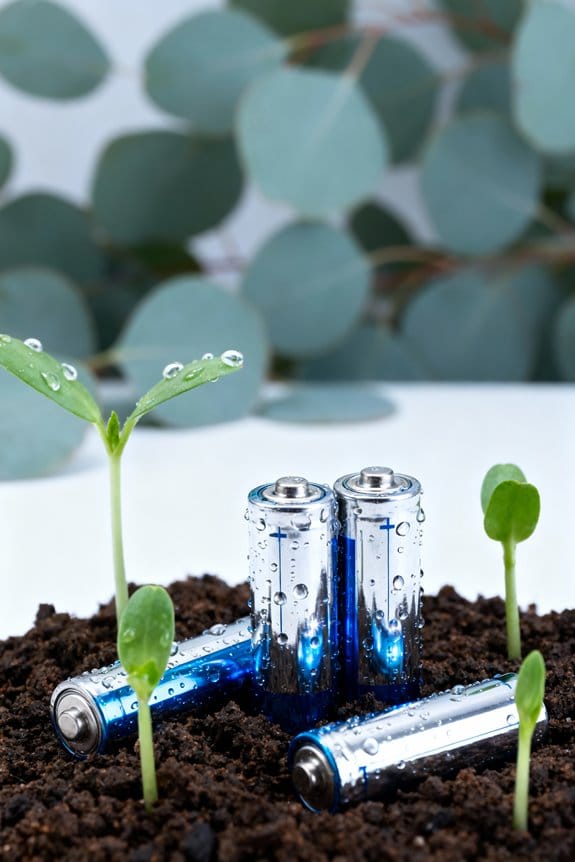
Environmental sustainability gains considerable momentum through the adoption of rechargeable batteries, which deliver significant waste reduction by being capable of up to 1,000 recharge cycles, thereby drastically curtailing the volume of single-use batteries discarded in landfills. Rechargeable batteries, including NiMH rechargeable batteries, require only about 4.3% of the production resources compared to disposable batteries, which not only lowers their environmental footprint but also reduces landfill waste. Over their lifecycle, rechargeables emit approximately 28% less greenhouse gases, contributing to climate change mitigation. In addition, nearly 90% of rechargeable batteries consist of recycled materials, preventing harmful toxins from infiltrating ecosystems, while their reduced manufacturing frequency and transportation result in lower fossil fuel consumption, reinforcing a sustainable energy model. Collectively, these environmental advantages emphasize rechargeable batteries’ pivotal role in advancing greener technology. Proper disposal methods for depleted batteries further minimize environmental harm and promote recycling initiatives.
Performance Differences in High-Drain vs. Low-Drain Devices
Beyond environmental benefits, the performance characteristics of rechargeable batteries exhibit notable differences when powering high-drain versus low-drain devices, particularly in energy output consistency and lifespan. High-drain devices, such as digital cameras and gaming controllers, greatly benefit from NiMH rechargeable battery or Li-ion rechargeable batteries due to their stable voltage and consistent power delivery. These rechargeable options can provide three to four times the charge of disposable batteries, ensuring steady performance without voltage drop-offs common in alkaline cells. Conversely, low-drain devices like clocks often perform adequately with disposable batteries; however, the use of Low Self-Discharge NiMH batteries enhances lifespan and reliability even in moderate-drain scenarios. Overall, these performance differences translate to long-term financial savings and improved device functionality, emphasizing the advantage of selected rechargeable batteries over disposable batteries in demanding power applications. Additionally, selecting chargers with overcharge protection ensures battery longevity and safety during extensive recharge cycles.
Proper Maintenance Practices for Longevity
Several key maintenance practices greatly influence the longevity and performance stability of rechargeable batteries, particularly nickel-metal hydride (NiMH) and lithium-ion (Li-ion) types, which typically retain 70-80% capacity after 500 full charge cycles when properly managed. To maximize lifespan, batteries should be recharged before full depletion, as deep discharging accelerates capacity loss and performance degradation. Storage in cool, dry environments reduces self-discharge rates and chemical breakdown. Regular use combined with proper charging prevents inactive battery deterioration and maintains ideal electrochemical function. Employing chargers tailored to specific battery chemistries is essential to avoid overcharging, a leading factor in diminished longevity. Periodic inspection for physical wear guarantees reliability and safety, enabling informed disposal decisions that mitigate environmental impact. Collectively, these maintenance strategies extend battery lifespan, stabilize performance, and reinforce rechargeable batteries as sustainable alternatives to disposables. Additionally, considering energy efficiency when selecting battery-powered devices can contribute to overall device longevity and reduce power consumption.
Safety Measures and Handling of Rechargeable Batteries
Extending the operational lifespan of rechargeable batteries requires proper maintenance but also demands strict adherence to safety measures during handling and use, as improper treatment can lead to accelerated degradation or hazardous conditions. Proper handling involves always employing the correct charger designed for the specific battery type to prevent overcharging, which risks overheating or fire hazards. Rechargeable batteries should be stored in a cool, dry place, ideally below 25°C, to maintain chemistry stability and guarantee long lifespan. Users must regularly check condition for swelling or leakage, as these indicate potential safety risks requiring immediate action. Mixing different types or brands should be avoided to prevent performance issues. Finally, disposal must be conducted responsibly via certified recycling programs to minimize environmental impact and reduce toxic material release. Regular cleaning of battery terminals with anti-corrosion washers and sprays helps maintain optimal electrical contact and prolongs battery life.
Device Compatibility and Ideal Use Cases
Selecting the appropriate battery type necessitates a detailed understanding of device power requirements, as rechargeable batteries—such as Nickel-Metal Hydride (NiMH) and Lithium-ion (Li-ion)—offer consistent voltage outputs typically around 1.2 volts, slightly lower than the 1.5 volts delivered by alkaline disposables, which can impact performance in certain low-drain electronics. Rechargeable batteries excel in high-drain devices like digital cameras and power tools by maintaining steady performance and supplying the significant energy required, whereas low-drain devices, including remote controls, may function well with disposable batteries or Low Self-Discharge (LSD) NiMH batteries, which extend operational life. Considering device compatibility and energy demands is essential for ideal use cases, as NiMH batteries can replace thousands of disposables, ensuring cost efficiency and enhanced device longevity when properly matched to device specifications. Many rechargeable batteries also incorporate 22% recycled materials, contributing to environmental sustainability while delivering high performance.
Recommended Products

ALL-IN-ONE PROFESSIONAL SEWER CAMERA WITH LOCATOR: Anysun sewer camera integrates a built-in 512Hz sonde transmitter, pipe locator, self-leveling camera, on-screen meter/feet counter, and 0.28in/7mm cable into one professional inspection system. Paired with a 9” 1080P IPS screen, one-touch DVR recording, microphone, and 4500mAh rechargeable battery (6–8 hours runtime), it is designed for plumbers, home inspectors, and contractors who need fast, accurate diagnostics on the job.

Lithium Iron Phosphate(LiFePO4): Provides superior stability and consistent performance throughout the product's lifespan. Features a built-in 200A BMS that safeguards against overcharging, overdischarging, overcurrent, and short circuits, while maintaining an excellent self-discharge rate. It also includes a temperature protection function, with a high-temperature cut-off that stop charging above 149℉ and low-temp cut-off below -4℉.

Space-Saving Powerhouse: 1/3 the size of standard 12V 300Ah batteries (32% smaller footprint!) but with 20AH HIGHER capacity. Ideal for RVs, campers, and marine vessels where every inch matters – fits seamlessly into tight battery compartments without sacrificing energy storage.
Frequently Asked Questions
Why Are Rechargeable Batteries Better Than Disposable Batteries?
Rechargeable batteries offer superior energy efficiency, extended battery lifespan, and advanced charging technology, resulting in significant cost savings and reduced environmental impact. Their performance comparison favors intensive usage scenarios, aligning with consumer preferences and evolving market trends.
Do Rechargeable Batteries Make Sense?
Rechargeable battery advantages include cost savings, improved environmental impact, and longevity comparison favoring reuse. Power efficiency and performance consistency suit diverse device compatibility. Charging convenience aligns with consumer preferences, suggesting future trends favor increased adoption of rechargeable solutions.
Is Using Rechargeable Batteries a Good Way to Reduce Waste?
Using rechargeable batteries effectively reduces waste through longevity benefits and frequent usage. Improved technology advancements enhance energy efficiency and battery recycling, aligning with consumer preferences and convenience factors, while mitigating environmental impact and offering notable cost savings over disposables.
Are Disposable or Rechargeable Vapes Better?
Clearly, disposable vapes revolutionize landfill art, but rechargeable vapes excel in vape longevity, battery lifespan, cost comparison, and environmental impact. Superior performance metrics, flavor consistency, and charging convenience drive user satisfaction amid evolving market trends and product availability.