As an Amazon Associate, we earn from qualifying purchases. Some links on this site are affiliate links at no extra cost to you. Our recommendations are based on thorough research and editorial judgment.

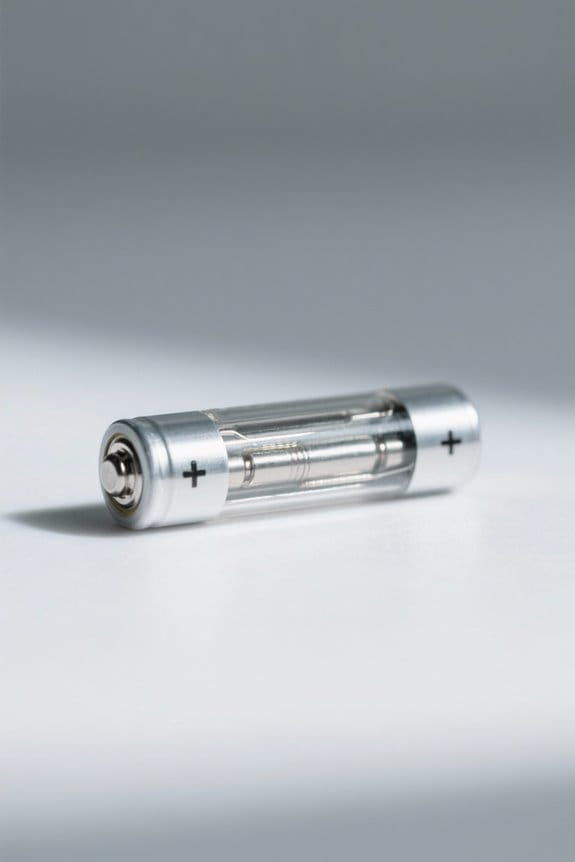
The Role of Electrolytes in Battery Function

Electrolytes in batteries function as ion-conducting media, typically containing lithium salts at concentrations near 1 mol/L dissolved in organic solvents, enabling ionic conductivities around 1 to 10 mS/cm. This ion transport facilitates electrochemical reactions by moving lithium ions between electrodes, directly affecting energy efficiency, stability, and capacity retention. Their composition and properties, including electrochemical window and viscosity, vary across battery types and impact performance and safety. Further insights reveal advanced formulations and thermal stability enhancements.
Key Takeaways
- Electrolytes transport charged ions between electrodes, enabling essential electrochemical reactions for battery operation.
- High ionic conductivity in electrolytes ensures efficient ion movement, directly impacting battery energy efficiency and capacity.
- Electrolyte composition affects battery safety by influencing thermal stability and flammability risks.
- Formation of a solid electrolyte interphase (SEI) improves stability, reduces electrolyte decomposition, and enhances battery lifespan.
- Electrolytes vary by battery type, tailored to optimize energy density, lifespan, and operational performance.
What Is a Battery Electrolyte?
A battery electrolyte serves as the crucial medium enabling the transport of positively charged ions between the cathode and anode, a process fundamental to converting chemical energy into usable electrical energy. Electrolytes vary by battery type; for instance, lithium-ion batteries utilize lithium salt solutions like LiPF6, renowned for high ionic conductivity and energy density. Electrolytes exist in liquid, gel, or solid forms, with solid electrolytes offering enhanced safety by reducing flammability risks and improving thermal stability, which directly influences overall battery performance and longevity. Key properties such as electrochemical window and viscosity critically affect ion mobility and energy efficiency. Proper electrolyte composition and maintenance promote ideal battery function, demonstrating that advancements in solid-state electrolytes hold promise for safer, higher-performance energy storage solutions essential in modern battery technologies. In the context of solar light stakes, choosing batteries with higher mAh ratings can enhance battery longevity, ensuring consistent illumination for outdoor spaces.
Recommended Products

Manufacturer: Xiamen Tmax Battery Equipments Limited

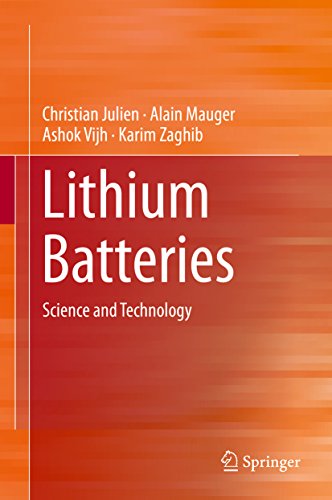
Trusted by Industry Professionals and Installers: With a legacy spanning 36 years, ExpertPower is a trusted name in the energy industry. Our innovative semi-solid state LiFePO4 batteries are earning the endorsement of professionals and installers across industries. With over a million batteries sold annually and more than 80 megawatt-hours of energy delivered each year, our products stand as a testament to reliability and performance.
How Electrolytes Enable Battery Operation

Although often overlooked, electrolytes play an indispensable role in battery operation by enabling the controlled movement of ions—typically lithium ions in lithium-ion batteries or hydrogen ions in lead-acid variants—between the cathode and anode; this ionic migration facilitates the electrochemical reactions responsible for generating electrical current, with ionic conductivity values commonly ranging from 10^-3 to 10^-2 S/cm in liquid electrolytes, thereby ensuring efficient charge transfer and minimizing internal resistance. During charge and discharge cycles, electrolytes with high ionic conductivity and chemical stability maintain consistent battery performance by supporting lithium ions move rapidly and safely. Additionally, high efficacy ratings in lighting are comparable to the efficient energy use in battery systems. In addition, the formation of a solid electrolyte interphase (SEI) on electrode surfaces improves stability, preventing degradation and dendrite growth, which would otherwise impair longevity and safety. Ultimately, electrolytes are essential to the batteries’ functionality by balancing ion flow and preserving structural integrity.
Composition of Lithium Battery Electrolytes

Lithium battery electrolytes primarily comprise lithium salts—most commonly lithium hexafluorophosphate (LiPF6)—dissolved in mixtures of organic carbonate solvents such as ethylene carbonate (EC) and dimethyl carbonate (DMC), which collectively facilitate ionic transport with conductivities reaching approximately 1 mS/cm or higher, crucial for sustaining efficient charge-discharge cycles and overall battery performance. These liquid electrolytes require additives like fluoroethylene carbonate to form a robust solid electrolyte interphase (SEI) on the electrode materials, preventing anode degradation during cycling. The electrolytes must exhibit high electrochemical stability to operate within voltage ranges without decomposition, while their thermal stability ensures resistance to breakdown at elevated temperatures, reducing safety risks. Despite their widespread use, liquid electrolytes face flammability concerns, prompting research into alternatives; however, their current composition balances ionic conductivity and stability effectively for most lithium battery applications. A cradle-to-grave lifecycle assessment is essential to evaluate the environmental impact and carbon footprint of lithium batteries, ensuring sustainable choices in battery production and disposal.
Recommended Products
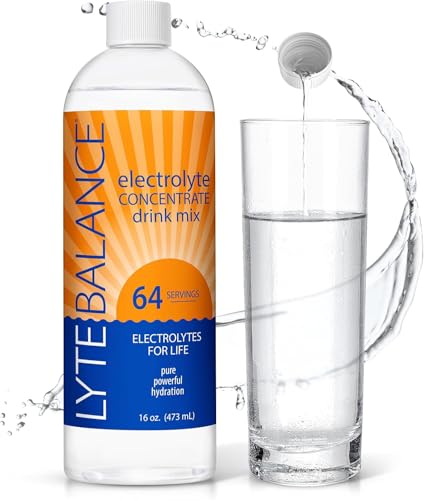
NEW LABEL- SAME GREAT TRIPLE STRENGTH FORMULA - Say hello to 42 years of hydration research! Lyte Balance brings you a complete, no-hassle formula that makes it easy to get the liquid electrolytes you need on a daily basis. Our mineral supplement delivers more potassium and magnesium than any leading sports drink with just enough sodium for full body balance!

BEST VALUE, HIGHEST MAGNESIUM, ZINC, AND POTASSIUM CONCENTRATIONS: Ionic Lytes is the most concentrated liquid electrolyte formula with 30% higher mineral levels. We also provide 96 servings per bottle compared to 48 servings from competing brands. Ionic Lytes delivers the best value of the highest quality liquid electrolytes.
Comparing Electrolytes in Different Battery Types
When evaluating electrolytes across various battery chemistries, the choice of electrolyte profoundly influences performance metrics such as energy density, operational lifespan, and thermal stability, with sulfuric acid in lead-acid batteries exhibiting density changes between approximately 1.28 and 1.30 g/cm³ during charge cycles, supporting heavy industrial applications, while potassium hydroxide electrolytes used in Nickel-Cadmium (NiCd) and Nickel-Metal-Hydride (NiMH) batteries provide consistent ionic conductivity around 0.5 S/cm at room temperature, contributing to longevity and adaptability in variable climates; concurrently, advanced lithium-ion batteries incorporate liquid, gel, or solid polymer electrolytes with conductivities near 1 mS/cm, optimized through additives to mitigate flammability and thermal runaway risks, and emerging systems utilizing aqueous or ionic liquid electrolytes—particularly within sodium-ion alternatives—aim to balance improved safety profiles against challenges in electrochemical stability and cost-effectiveness. Electrolyte design remains critical for enhancing the safety of lithium and advancing solid-state battery technologies. Mechanical timers, such as those rated IP65 or NEMA 3R, offer reliable automation in outdoor environments by ensuring weatherproofing and durability, which parallels the importance of electrolyte selection in ensuring the longevity and stability of battery systems.
Recommended Products

【Self-Heating Feature】After charger connection and with charging current exceeding 10A, the BMS continuously monitors battery temperature. Should the temperature drop below 0°C (32°F), the auto-heating mode activates, drawing power from the charging current for the internal heating film. The heating system deactivates instantly, and standard charging resumes when the temperature rises to 5°C (41°F).

Battery dimensions :Update battery display button and start button, Group size 27 (N70), 12 x 6.8 x 8 inches, Terminal Layout: Left: + Right: -. 12.8V 80AH 1300CCA.Tips: Please check battery size before purchasing. Battery voltage display button, do not allow series parallel use.
Battery dimensions :Update battery display button and start button, Group size 27 (N70), 12 x 6.8 x 8 inches, Terminal Layout: Left: + Right: -. 12.8V 80AH 1300CCA.Tips: Please check battery size before purchasing.
Electrolyte Maintenance and Replenishment Practices
Effective electrolyte maintenance and replenishment practices are essential to preserving battery performance and longevity, especially for wet cell designs where electrolyte levels can fluctuate greatly during charge and discharge cycles. In lead-acid batteries, regular maintenance involves measuring specific gravity with a hydrometer to assess charge state, alongside adding distilled water to compensate for electrolyte loss caused by evaporation or electrolysis. Replenishment must use only sulfuric acid to restore proper chemical concentration, avoiding damage from improper fluids. Conversely, lithium-ion batteries are sealed and generally require no electrolyte maintenance or replenishment, as their electrolyte composition remains stable under normal usage. Neglecting electrolyte management in wet cells can lead to diminished capacity and premature failure, highlighting the critical role of precise monitoring and fluid replacement in ensuring peak battery reliability and cycle life. Proper disposal of hazardous batteries at certified recycling centers is crucial to prevent environmental risks and ensure compliance with regulatory standards.
Recommended Products

Quality Product: Our battery charger can adjust the voltage and current,and stabilize the corresponding power output to ensure that the battery is charged within a reasonable range.

Ultra-Pure Reagent Grade: Deionized to remove ions and meet O-B-41H specifications, ensuring high purity for laboratory and industrial applications.

Package Dimensions: 28.7 H x 8.1 L x 18.0 W (centimetres)
Safety Considerations for Lithium Battery Electrolytes
Although lithium battery electrolytes typically offer high ionic conductivity facilitating efficient charge transport, their chemical composition—including lithium salts such as lithium hexafluorophosphate (LiPF6) dissolved in organic carbonate solvents—poses inherent safety risks due to flammability and potential thermal instability; these vulnerabilities necessitate rigorous handling protocols and sophisticated design features, as evidenced by early instances of thermal runaway events occurring within temperature ranges of 150 to 250°C. Safety concerns also arise from dendrite formation, which can cause internal short circuits, prompting the development of solid-state electrolytes that reduce flammability and improve thermal stability. Protective additives, such as fluoroethylene carbonate, contribute to a stable solid electrolyte interphase (SEI), mitigating unwanted reactions at electrode surfaces. Modern lithium batteries employ advanced monitoring systems to detect overheating and prevent cell failures, consequently enhancing overall safety during operation. A major advantage of using rechargeable batteries is their longer usability compared to non-rechargeable ones, as they can be recharged multiple times, which aligns with eco-friendly practices.
Impact of Electrolytes on Battery Performance and Longevity
Ion transport facilitated by electrolytes directly governs the efficiency and energy storage capacity of batteries, making the electrolyte composition a critical determinant of performance and longevity. Electrolytes with ionic conductivities typically above a few mS/cm optimize ion conduction, which enhances energy efficiency in lithium batteries, especially those designed for high energy applications. The stability of the solid electrolyte interphase (SEI) formed on electrodes further influences capacity retention, as a robust SEI minimizes electrolyte decomposition and electrode degradation. Additionally, electrolyte formulation affects thermal stability, where improper management increases risks of thermal runaway, compromising safety and lifespan. Consequently, electrolyte properties must balance ion conduction rates and chemical stability to maximize battery cycle life and performance, underscoring the importance of precise electrolyte engineering in sustaining high energy output and reliability over extended usage periods. Rechargeable NiMH batteries, known for their eco-friendly chemistry, provide a sustainable alternative to traditional single-use options by significantly reducing environmental waste.
Advances in Electrolyte Technology for Next-Generation Batteries
Building on the understanding that electrolyte composition governs battery performance and longevity, recent advancements have focused on developing materials that greatly enhance safety, stability, and efficiency in next-generation batteries. High-performance solid electrolytes have emerged, offering improved safety by minimizing dendrite formation and enhancing ionic conductivity up to 10^-3 S/cm at room temperature, a significant increase over traditional liquid electrolytes. Additives like fluoroethylene carbonate promote a stable solid electrolyte interphase (SEI), extending lithium-ion battery life by reducing capacity fade during cycling. Additionally, machine learning algorithms accelerate the discovery of ideal electrolyte formulations, optimizing electrochemical windows and conductivity simultaneously. These innovations collectively advance battery systems, contributing to next-generation energy storage that balances durability and performance while addressing cost and environmental concerns. Solid-State Batteries eliminate liquid electrolytes for enhanced energy density and higher safety ratings, moving towards mass production and market availability.
Recommended Products

PORTABILITY + RELIABILITY –– The top-rated professional pH tester is now paired with the Swiss LabSen 765 blade spear pH electrode, allowing you to directly take lab-grade pH measurement in raw or frozen meats wherever you go.

Note: Refer a user manual before use
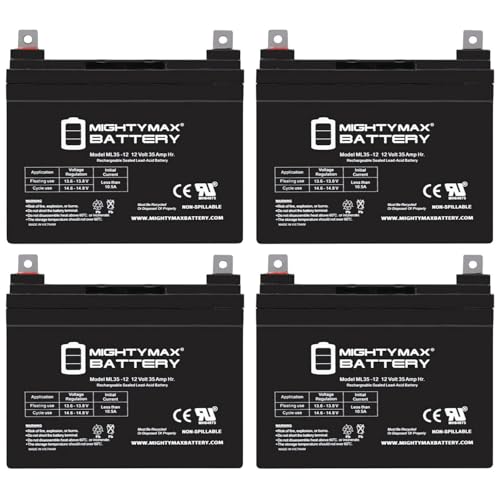
ML35-12 SLA is a 12V 35AH Sealed Lead Acid (SLA) rechargeable maintenance free battery, Pack of 4 - UL Certified
The Role of Electrolytes in Preventing Thermal Runaway
Because electrolytes fundamentally influence the stability of lithium-ion batteries, their role in preventing thermal runaway involves complex chemical and physical interactions that mitigate heat generation and flammability risks; for example, electrolytes with high flash points above 150°C and enhanced thermal stability reduce ignition likelihood under stress conditions, while additives such as lithium difluoro(oxalato)borate (LiDFOB) facilitate the formation of a robust solid electrolyte interphase (SEI) layer that protects electrodes from degradation, thereby minimizing heat buildup during charge-discharge cycles. Additionally, thermo-responsive polymer modifications in electrolytes regulate ion transport by halting conduction above specific temperatures, effectively preventing overheating. Continuous monitoring of electrolyte levels is critical, as depletion or degradation can trigger exothermic side reactions, increasing thermal runaway risk. Hence, advanced additives and careful electrolyte management collectively improve battery safety and reliability under diverse operational stresses. A new sentence with energy-saving features and the rest of the sentence.
Frequently Asked Questions
What Is the Role of Electrolytes in a Battery?
Like a river’s flow, ion conduction drives a battery’s power, shaped by electrolyte composition, solvent choice, and concentration gradient. Battery types rely on ionic mobility and electrochemical stability, while temperature effects influence their enduring performance and efficiency.
How Does Electrolyte Impact Battery Life?
Electrolyte composition effects directly influence ionic conductivity variations and stability concerns, affecting charge retention efficiency and cycling performance. These factors mitigate battery degradation mechanisms and temperature influence, ultimately contributing to battery lifespan extension through optimized electrolyte management.
What Role Do Electrolytes Play in Power?
Electrolytes act like a lightning-fast highway for ion movement, fundamentally enhancing electrolyte conductivity and battery efficiency. They guarantee energy storage, voltage stability, and thermal management, ultimately influencing charge cycles and mitigating degradation mechanisms to sustain power output.
How Do Electrolytes Influence Battery Safety?
Electrolytes influence battery safety by ensuring electrolyte stability, controlling chemical reactivity, and optimizing electrolyte concentration. Proper material selection and voltage limits prevent thermal runaway, while safety protocols focus on leakage prevention to enhance overall battery reliability.