As an Amazon Associate, we earn from qualifying purchases. Some links on this site are affiliate links at no extra cost to you. Our recommendations are based on thorough research and editorial judgment.

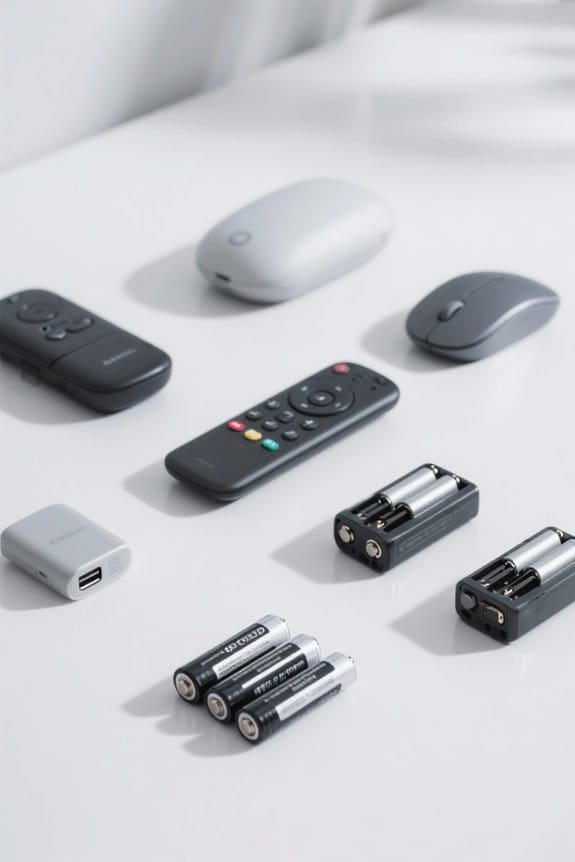
Why Some Devices Don’t Work Well With Rechargeable Batteries

Some devices underperform with rechargeable batteries because these cells provide 1.2 volts nominally, compared to 1.5 volts from alkaline batteries, causing devices calibrated for higher voltage to misinterpret power levels or malfunction, especially if internal resistance and discharge rates differ markedly. Testing with digital load testers confirms voltage discrepancies impact sensitive electronics like keyboards and scales. Battery chemistry and steady voltage output critically affect device compatibility. Further exploration reveals which devices are most sensitive and best battery selection practices.
Key Takeaways
- Rechargeable NiMH batteries have a lower nominal voltage (1.2V) compared to alkaline batteries (1.5V), causing device voltage mismatch.
- Devices calibrated for 1.5 volts may misread NiMH battery levels, leading to incorrect performance or shutdown.
- Different internal resistance and discharge patterns in rechargeable cells can disrupt sensitive electronics operation.
- Some devices strictly require the higher voltage and chemical properties of alkaline batteries to function properly.
- Mixing battery chemistries or using incompatible rechargeable batteries can lead to device malfunction or reduced battery life.
Voltage Differences Between Rechargeable and Disposable Batteries
Frequently encountered in consumer electronics, the voltage discrepancy between disposable alkaline batteries and rechargeable nickel-metal hydride (NiMH) batteries considerably influences device performance; alkaline cells exhibit a nominal initial voltage near 1.5 volts that gradually declines to approximately 1.0 volts over their discharge cycle, whereas NiMH batteries maintain a steadier output near 1.2 volts when fully charged, posing challenges for equipment calibrated to operate ideally at or above the higher 1.5-volt threshold. This voltage difference means devices designed for disposable batteries may misinterpret rechargeable batteries as depleted, even when charged. Additionally, the lower but consistent voltage of rechargeable batteries can cause certain devices, like clocks or scales, to underperform or fail to operate, clarifying why voltage compatibility is critical in the selection between rechargeable batteries and disposable batteries. Some high-drain devices specifically require the consistent voltage output provided by rechargeable batteries, as noted in the rechargeable battery features.
Impact of Battery Chemistry on Device Compatibility

Although rechargeable batteries such as nickel-metal hydride (NiMH) and nickel-cadmium (NiCad) typically produce a nominal voltage of 1.2 volts per cell, compared to the approximately 1.5 volts supplied by alkaline cells, differences in their electrochemical composition greatly affect device compatibility and performance; for instance, devices calibrated to operate near the higher alkaline voltage may register rechargeable cells as low or depleted, despite full charge, due largely to the lower open-circuit voltage and distinct discharge curves. Various battery types differ not only in voltage but also in internal resistance and discharge characteristics, which influence device response. Electronic equipment designed with specific voltage thresholds or battery chemistries in mind may experience power inconsistencies, improper battery level readings, or functionality issues when rechargeable batteries replace alkaline cells, underscoring the critical role battery chemistry plays in ensuring ideal device operation. Additionally, understanding dimming technologies can be crucial for applications that rely on precise voltage requirements, as mismatched driver technology can lead to similar issues in lighting systems.
Devices Sensitive to Lower Voltage Output

When electronic devices rely on a voltage threshold closely aligned with the 1.5 volts typical of alkaline cells, the reduced 1.2 volts output from nickel-metal hydride (NiMH) rechargeables frequently falls short of operational requirements, triggering performance issues identified through multiple tests using calibrated voltmeters and functional assessments under simulated load conditions. Devices sensitive to lower voltage output often misinterpret the nominal voltage delivered by rechargeable NiMH batteries as insufficient, leading to malfunctions or failure to power on. Such sensitivity is particularly noted in electronics designed strictly around alkaline voltage standards, which lack adaptive circuitry to accommodate the nominal voltage variance inherent in rechargeable cells. This voltage discrepancy underscores the incompatibility challenges faced when rechargeable NiMH batteries replace alkaline counterparts in devices optimized for 1.5 volts output. Digital/load testers are recommended for hobbyists and technicians needing detailed diagnostics, as they can help identify these voltage discrepancies in rechargeable batteries.
Common Device Examples With Rechargeable Battery Issues
Numerous consumer electronics exhibit operational difficulties when powered by nickel-metal hydride (NiMH) rechargeable batteries, primarily because these cells provide a nominal voltage of 1.2 volts, which is substantially lower than the 1.5 volts delivered by standard alkaline batteries. Devices such as the Leapster by LeapFrog often malfunction with rechargeable AA cells due to this voltage discrepancy, affecting performance. Similarly, the Logitech Cordless Elite keyboard is incompatible with rechargeable batteries, frequently failing to operate. RC wall clocks may not initialize properly or appear depleted when NiMH batteries are used, while bathroom scales commonly refuse to power on under these conditions. Additionally, Blink cameras, which require disposable lithium batteries, exhibit incompatibility despite physical size matching, illustrating issues beyond voltage alone. Rechargeable NiMH batteries offer long-term savings despite higher initial costs. Such examples underscore how voltage discrepancies and chemistry-specific requirements limit rechargeable AA battery application.
Best Practices for Choosing Batteries for Your Devices
Selecting the most appropriate battery type for electronic devices involves careful consideration of voltage specifications, chemical compatibility, and energy capacity, given that many gadgets demand a consistent 1.5-volt supply for optimum function, unlike standard nickel-metal hydride (NiMH) rechargeable cells that deliver only 1.2 volts. Users should verify device compatibility, as some electronics, including the Leapster, explicitly do not support rechargeable batteries, which might cause suboptimal operation or damage. Opting for high-capacity rechargeable batteries rated at 2500 mAh can improve performance in devices accepting lower voltage. Reviewing user feedback or technical forums offers practical insight into rechargeable battery behavior in specific gadgets. Additionally, avoiding the mixing of battery types within multi-cell devices prevents inefficiencies and preserves battery longevity. Such practices optimize overall battery compatibility and device functionality. Battery recycling containers made of durable high-density polyethylene help ensure safe disposal and environmental compliance.
Environmental and Cost Considerations of Battery Types
Weighing long-term financial and ecological impacts, shifting from disposable alkaline batteries to rechargeable nickel-metal hydride (NiMH) cells can lower annual costs from approximately $100-$120 to near $20 for an initial starter kit, thereby achieving savings upward of several hundred dollars over multiple years. Rechargeable batteries can be reused up to 1000 times, markedly reducing environmental impact by lowering the volume of waste compared to single-use alkalines, which may leak harmful substances if left dormant. Although rechargeable NiMH cells exhibit a higher self-discharge rate of about 1% daily, causing more frequent charging, their long lifespan and reduced material consumption offer substantive cost savings and environmental benefits. These attributes highlight the practical and ecological advantages of incorporating rechargeable batteries into device operation when frequent use is expected. For devices with high-drain needs, it’s important to choose high-capacity rechargeable batteries to ensure optimal performance.
Frequently Asked Questions
Why Can’t I Use Rechargeable Batteries in Some Devices?
Like trying to fit a square peg in a round hole, rechargeable batteries face compatibility issues due to voltage differences. Devices have specific specifications requiring 1.5V, but rechargeable types often supply lower voltage, causing malfunctions.
Why Do Some Things Say Not to Use Rechargeable Batteries?
Some devices caution against rechargeable batteries due to battery chemistry differences affecting device compatibility. Performance issues arise as rechargeable batteries deliver lower voltage, causing malfunction or inaccurate operation, leading manufacturers to recommend alkaline batteries to guarantee proper functionality.
What Is the Downside of Rechargeable Batteries?
Like a car with a smaller fuel tank, rechargeable batteries face performance inconsistency due to voltage drop and higher internal resistance. This often causes device compatibility issues, limiting their reliability in certain electronics despite environmental benefits.
What Is the 80 20 Rule for Lithium Batteries?
The 80/20 rule for lithium batteries states that approximately 80% of a device’s performance derives from 20% of the lithium lifespan, highlighting battery chemistry and energy density’s role in delivering maximum power for high-drain applications.