As an Amazon Associate, we earn from qualifying purchases. Some links on this site are affiliate links at no extra cost to you. Our recommendations are based on thorough research and editorial judgment.

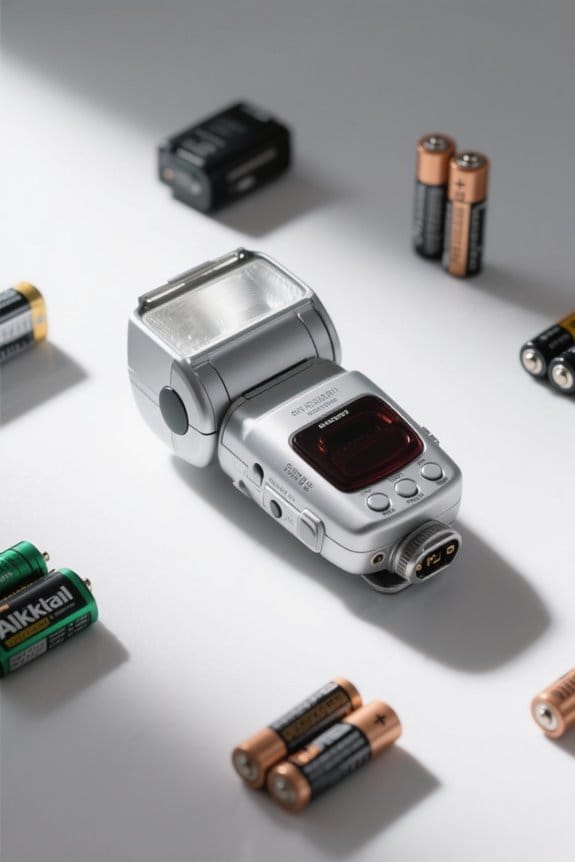
Why Camera Flashes Perform Better With Certain Battery Types

Camera flashes perform better with lithium or low self-discharge NiMH batteries due to their lower internal resistance and stable voltage output, which support rapid energy discharge and reduce recycle times to approximately 2.5 seconds, compared to 3.5 seconds for alkaline cells. Lithium batteries provide three to five times longer lifespan and superior thermal management under high currents, ensuring consistent flash intensity and TTL accuracy. These performance characteristics enhance reliability and shooting efficiency; further details explore battery chemistry and ideal selection criteria.
Key Takeaways
- Camera flashes require high-current power; NiMH and lithium batteries supply consistent voltage and low internal resistance for better performance.
- Alkaline batteries have slower recycle times (~3.5 sec) and shorter lifespan due to voltage drops under high drain.
- Lithium batteries offer three to five times longer life and faster recycling, enhancing flash readiness and reliability.
- Rechargeable NiMH batteries like Eneloops deliver quick recycling (~2.5 sec) and stable power for improved flash accuracy.
- Battery type impacts flash temperature management; lithium and NiMH generate less heat, preventing voltage drops and performance loss.
Understanding Battery Demands of Camera Flashes
Camera flashes frequently demand a high-current power supply to achieve rapid recycling times and intense bursts of light, which directly affects the choice of battery type for peak performance. Alkaline batteries, although common, typically deliver about 200 flashes with recycle times near 3.5 seconds, yet they struggle under the high drain conditions typical of flash units, resulting in reduced power delivery. In contrast, Lithium batteries offer three to five times the lifespan of Alkalines and provide considerably shorter recycle times, enhancing reliability during fast shooting sequences. Rechargeable NiMH batteries, such as Eneloops, combine low internal resistance with recycle times as low as 2.5 seconds, producing a greater number of consistent flashes. Consequently, batteries that perform well in high drain scenarios guarantee steady power delivery essential for peak flash operation. NiMH rechargeable AA batteries, with capacities ranging from 2,400-3,000 mAh, offer the highest capacity and are ideal for high-drain devices like camera flashes.
Recommended Products

3500mah No.1 Long-lasting - 3500mAh AA lithium batteries, you can feel the power overwhelming, especially on devices which draw more energy.

UPGRADED DISPLAY - Features a 2.2” 65K color sunglight readable display offering increased resolution (240 x 320 pixels). Physical dimensions: 2.1" x 4.0" x 1.3" (5.4 x 10.3 x 3.3 cm)

Nikon SB-700 AF Speedlight Flash for Nikon Digital SLR Cameras (Includes manufacturer's supplied accessories)
Comparing Alkaline, Lithium, and Rechargeable Batteries
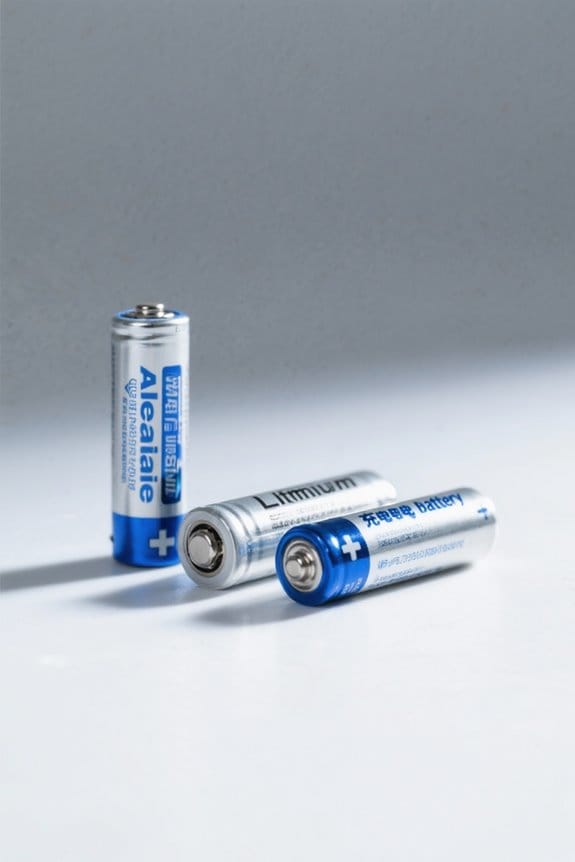
Battery selection greatly influences flash performance, particularly when evaluating alkaline, lithium, and rechargeable NiMH options under high-drain conditions commonly encountered during fast photography sequences; alkaline batteries, though widely available, demonstrate slower recycle times of approximately 3.5 seconds per full-power flash and deliver around 200 flashes before depletion, resulting in less reliable power output and increased replacement frequency. In comparison, non-rechargeable lithium batteries, such as high-end Duracell batteries, offer three to five times longer life and quicker recycling times, maintaining consistent power under high current loads. Rechargeable batteries like the Eneloop rechargeable NiMH models achieve recycling times near 2.5 seconds and sustain performance over hundreds of flashes, making them highly suitable for rigorous flash photography demanding stable output and efficient energy use. Among AAA batteries, Duracell Coppertop batteries provide a notable shelf life and extended runtime, making them a trustworthy choice for devices requiring long-term reliability.
Recommended Products

【Transform Your Pond Into a Nighttime Showpiece】 Imagine this: On a quiet evening, you and your family are having dinner by a pond. The moment the fountain is turned on, the pond is filled with vibrant, ever-changing colors, and the surrounding atmosphere is filled with warmth and happiness. Equipped with 4 × 7 LED RGB lights (1200LM brightness, IP65 waterproof) and 10 dynamic color modes, this pond fountain aerator creates a mesmerizing water-and-light display visible from across your yard.
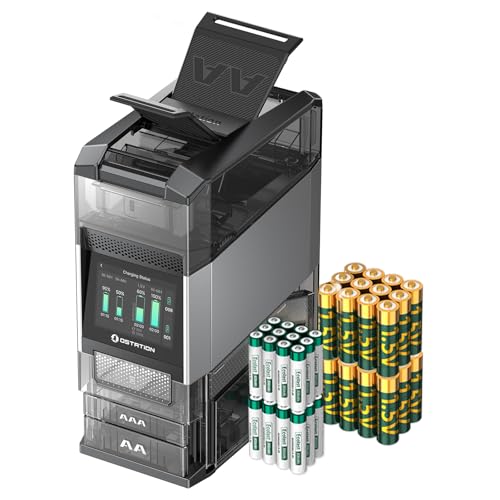
【𝐂𝐨𝐦𝐩𝐥𝐞𝐭𝐞 𝟒𝟖-𝐄𝐜𝐨𝐥𝐚𝐬𝐭 𝐁𝐚𝐭𝐭𝐞𝐫𝐲 𝐁𝐮𝐧𝐝𝐥𝐞 - 𝐑𝐞𝐚𝐝𝐲 𝐭𝐨 𝐔𝐬𝐞】All-in-one solution includes Ostation 2 Pro charger + 24 Ecolast 1.5V Li-ion AA batteries + 24 NiMH AAA batteries, no extra purchase needed. This rechargeable battery station stores up to 12AA+12AAA, keeping all batteries organized—ideal for homes, offices, gamers and photography enthusiasts with heavy battery needs
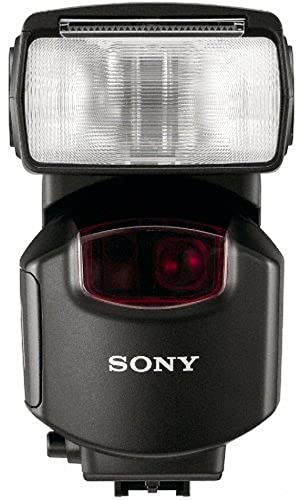
Quick Shift Bounce; for lighting freedom
Impact of Battery Performance on Flash Recycling Time
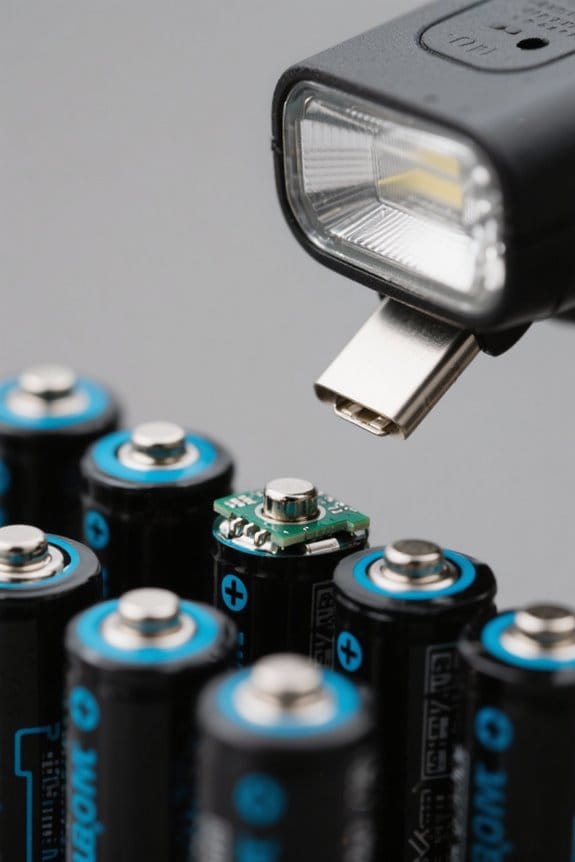
Flash recycling time, a key parameter in photographic lighting, is strongly influenced by the electrochemical properties and internal resistance of the battery type employed, with alkaline cells typically requiring about 3.5 seconds to fully recharge a flash capacitor at maximum power output. Rechargeable NiMH batteries reduce recycling time to approximately 2.5 seconds, benefiting camera flashes designed for rapid shooting sequences due to their low self-discharge rate and consistent power delivery. Lithium batteries outperform both alkaline and NiMH types by offering shorter recycling times alongside 3 to 5 times longer overall battery life per set. The variable power output of alkaline batteries can degrade flash units’ performance, limiting high-speed sync capabilities and TTL accuracy, whereas lithium and NiMH batteries maintain more stable voltage under heavy use, optimizing recycling time and enhancing overall power performance in demanding photographic conditions. Additionally, selecting batteries with low leakage design can ensure the longevity and reliability of your photographic equipment, protecting it from potential damage over time.
Recommended Products

24.3MP X Trans CMOS III APS C sensor with no low pass filter and X Processor Pro

Dedicated Sony Camera Compatibility: The FJ400 strobe offers features like High-Speed Sync, TTL, and more. It is designed with a proprietary Sony hot shoe mount for the Sony camera

Temperature Effects and Battery Safety Considerations
Although continuous operation at high power levels enhances photographic efficiency, it causes notable heating in the energy source, which can compromise both the battery and the photographic lighting device’s functionality; specifically, alkaline cells subjected to elevated drain manifest significant temperature increases, leading to gradual reductions in voltage output and overall power delivery when compared to rechargeable nickel-metal hydride (NiMH) variants, which exhibit lower internal resistance and generate less operational heat, thereby contributing to improved thermal stability and enhanced safety margins during prolonged flash sequences. Lithium AA batteries incorporate thermal protection, limiting power output if overheating occurs, which may affect consistent flash unit performance. These temperature effects influence recycling time and battery safety considerations, underscoring rechargeable batteries’ advantage in maintaining stable performance while reducing overheating risks during intensive photographic sessions. The shelf life of AAA batteries, which ranges from 10 to 12 years in top brands, ensures long-term reliability for various devices, reducing the need for frequent replacements.
Recommendations for Optimal Battery Choices in Photography
When selecting power sources for photographic lighting devices, consideration of rechargeables like nickel-metal hydride (NiMH) cells is prudent, particularly low self-discharge models such as Eneloops, which consistently achieve recycling intervals as brief as 2.5 seconds in standardized flash output tests—significantly faster than the average 3.5 seconds observed with alkaline counterparts under similar load conditions. NiMH batteries provide superior flash performance due to stable power delivery and lower internal resistance, enhancing TTL accuracy and supporting high-speed sync features effectively. While alkaline batteries exhibit diminished capacity and irregular output, pro batteries such as Energizer Ultimate Lithium, though non-rechargeable, deliver three to five times longer usage with quicker recycling times. For ideal results, photographers should prioritize rechargeable batteries with high capacity and low self-discharge rate, ensuring consistent responsiveness during intensive flash sessions. Energizer Ultimate Lithium batteries excel in extreme temperatures, making them suitable for outdoor photography in challenging conditions.
Recommended Products

10-Year Ultra-Long Lifespan & High Capacity: Engineered with 3500mAh lithium metal technology, these AA batteries deliver 3x longer power than standard alkaline batteries. Enjoy a 10-year shelf life for worry-free storage and reliable energy for high-drain devices like security systems, smart locks, and Blink cameras.

Tenergy's 48 pack Premium rechargeable NiMH C batteries offers energy savings by switching from single-use household C battery to rechargeable batteries.

Ten individual charging channels.
Frequently Asked Questions
What Happens if You Use 1.2 V Batteries Instead of 1.5 V?
Battery voltage impact influences flash performance comparison; 1.2 V rechargeable battery usage may cause voltage drop issues, affecting camera energy needs and flash recharge time. Ideal battery selection guarantees compatibility with devices, balancing battery longevity effects across photography battery types.
What Type of Batteries Should I Use for My Blink Camera?
For Blink cameras, non-rechargeable lithium batteries are ideal due to superior battery longevity, voltage stability, and temperature tolerance. Despite higher cost, they offer better energy efficiency, minimal compatibility issues, and avoid rechargeability factor and charging times drawbacks of NiMH.
Why Can’t You Use Regular Batteries in Blink Cameras?
Regular batteries hinder Blink camera efficiency due to voltage requirements and higher energy consumption, impacting operational reliability. Battery compatibility issues affect performance differences and battery lifespan, making rechargeable options preferable for cost considerations and reduced environmental impact.
Are Alkaline or Lithium Batteries Better for Cameras?
Like a marathon runner pacing energy, lithium batteries excel over alkalines in battery performance, energy efficiency, and voltage stability. They withstand temperature impact better, offer longer flash duration and lifespan, though alkalines remain cost-effective with recharge cycle limitations and compatibility issues.