As an Amazon Associate, we earn from qualifying purchases. Some links on this site are affiliate links at no extra cost to you. Our recommendations are based on thorough research and editorial judgment.

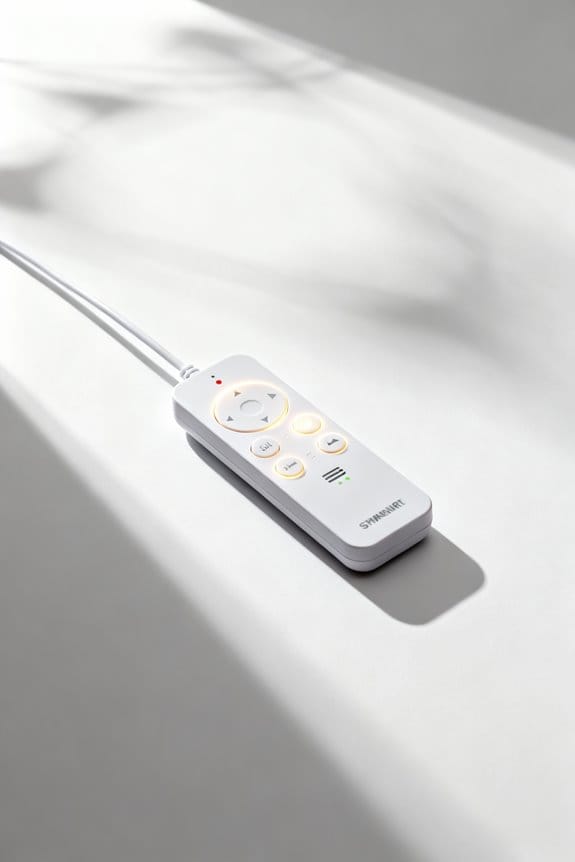
What Remote Access Means for Controlling String Lights Away From Home

Remote access for controlling string lights away from home involves using Wi-Fi or radio frequency (RF) signals to manage lighting via mobile apps or voice assistants, enabling scheduling, dimming, and scene customization from any location. Wi-Fi offers extensive integration with smart home systems but requires a stable 2.4 GHz network, whereas RF provides reliable, internet-free control within approximately 50 meters. These remote technologies enhance energy efficiency and security through occupancy simulation and automated activation, with further insights available on setup and troubleshooting.
Key Takeaways
- Remote access allows controlling string lights from any location via mobile apps and voice assistants for convenience and flexibility.
- It enables scheduling, brightness adjustment, and customized scenes to maintain consistent and energy-efficient lighting.
- Integration with smart home systems enhances security through occupancy simulation and motion detection features.
- Wi-Fi-based remote control requires home network connectivity, while RF systems provide internet-independent outdoor control.
- Remote monitoring supports quick troubleshooting and efficient energy use by notifying unnecessary light usage and maintaining stable connectivity.
Benefits of Remote Access for String Lights
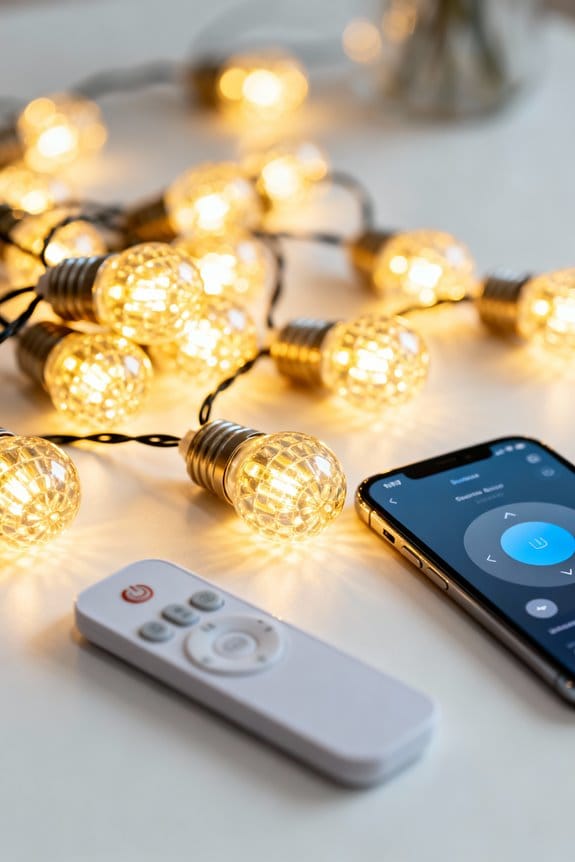
Although traditional string lights require manual operation, remote access technology enables homeowners to control their lighting systems from virtually any location through mobile applications compatible with iOS and Android devices or voice-activated assistants such as Alexa and Google Assistant. This remote access facilitates scheduling and brightness adjustment, allowing homes to maintain a consistently inviting appearance. Integration with smart home lighting systems supports customized scenes and routines tailored to various moods or activities, enhancing user experience. Moreover, sensor-based notifications alert users if lights remain on unnecessarily, promoting energy efficiency by reducing wasted electricity, which can lower consumption by approximately 15% as demonstrated in controlled studies. Additionally, the ability to control lighting remotely aids in simulating occupancy, contributing to improved home security through deterrence of unauthorized entry. For optimal reliability and performance, it is important to use outdoor smart plugs with proper IP44 to IP66 ratings to ensure weather resistance and durability.
How Remote Technology Works for String Light Control
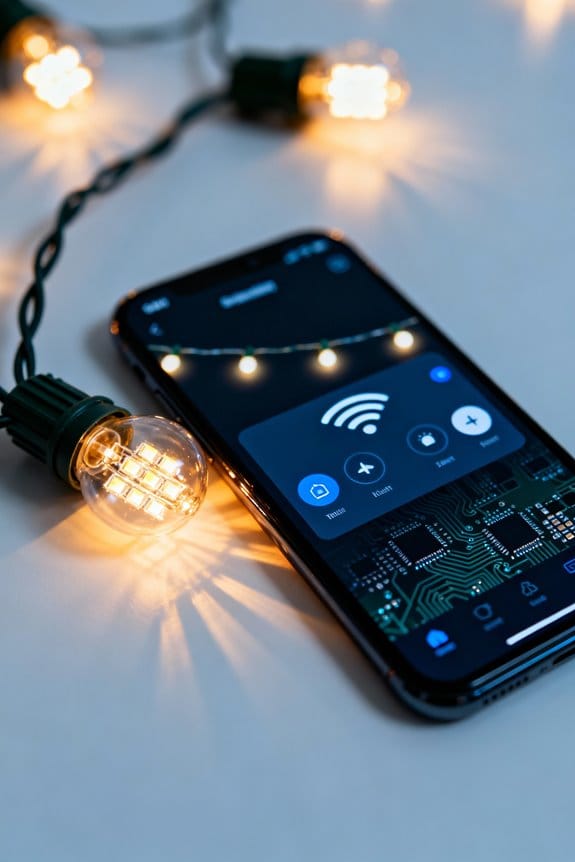
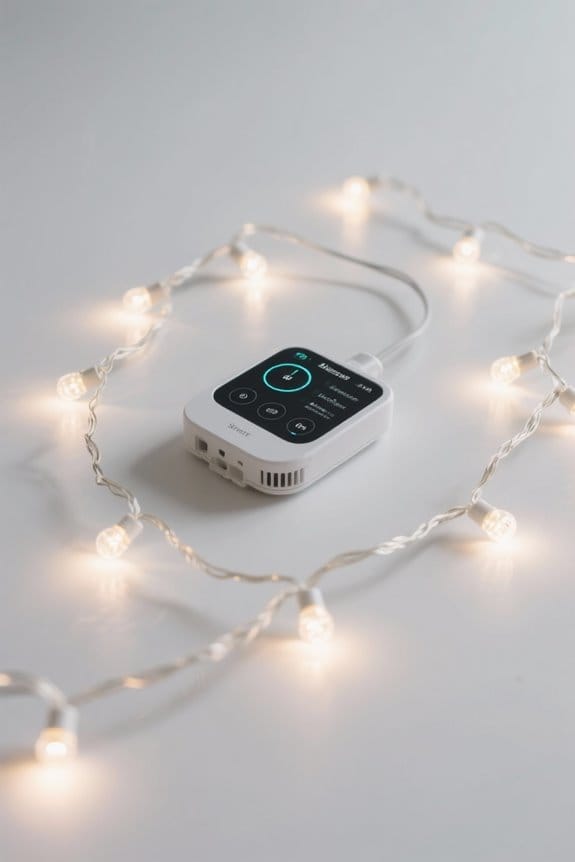
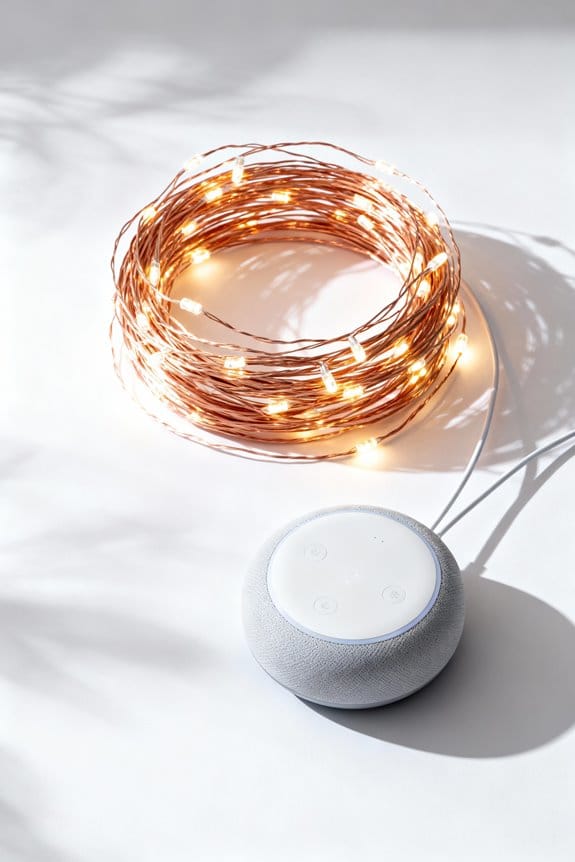
Remote technology for controlling string lights operates primarily through Wi-Fi and radio frequency (RF) signals, enabling users to manage their lighting remotely with considerable flexibility and precision. These smart lighting solutions use Wi-Fi connections to interface with home networks, allowing remote control via mobile applications and voice assistants like Alexa, which supports features such as scheduling, brightness adjustments, and real-time management. Integration with smart home systems further enhances control lights capabilities, facilitating automation based on user-defined routines. Conversely, RF-based remote control transmits low-power signals up to 100 feet without internet dependency, suitable for outdoor environments with potential obstructions. Together, these technologies provide versatile options for remote operation, allowing users to customize lighting scenes, monitor power consumption, and maintain convenience and efficiency through integrated smart controls tailored to individual preferences. Additionally, selecting lighting and control systems with durability & weather resistance ensures reliable performance in outdoor environments.
Comparing RF and Wi-Fi Remote Controls
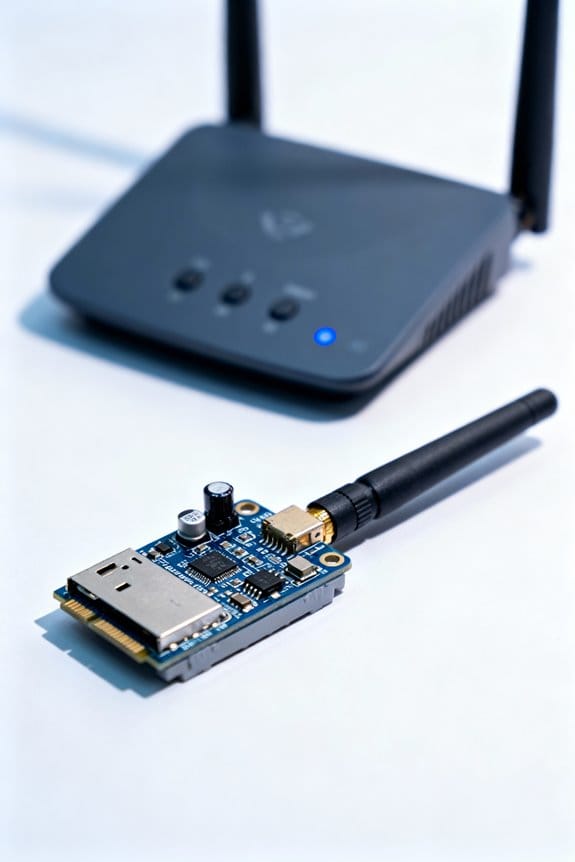
Two primary technologies for controlling string lights—RF (radio frequency) and Wi-Fi—offer distinct advantages shaped by their operational mechanics, setup requirements, and connectivity capabilities. RF remote controls use low-power radio waves capable of penetrating walls, providing reliable activation from distances of 50 to 100 feet without internet dependence, which simplifies immediate control but limits remote, long-distance management. Conversely, Wi-Fi remote controls function via stable internet connections, enabling users to operate string lights through mobile apps or voice assistants, thereby integrating seamlessly into broader home automation setups with enhanced scheduling and color customization features. While RF remote controls prioritize ease of installation and rapid response, Wi-Fi systems emphasize extensive remote access and automation. Selection between RF and Wi-Fi depends largely on user priorities: straightforward functionality versus expansive control through home automation and voice assistant compatibility. Additionally, many Wi-Fi controlled lights feature app control and voice assistant integration that significantly enhance convenience and user experience.
Setting Up Remote Control for Your String Lights
Establishing remote control functionality for string lights begins with verifying compatibility with RF or Wi-Fi systems, as this determines both installation complexity and control range. Wi-Fi-enabled string lights require the installation of a smart lighting app that links the lights to the home network, supporting control via mobile devices and voice assistants, typically within a 30-meter indoor radius. Alternatively, RF remote control systems transmit signals through obstacles, ensuring reliable operation outdoors without internet dependency, often effective up to 50 meters. Proper installation mandates adherence to electrical safety standards, including weatherproof outlets for outdoor setups and ensuring sufficient Wi-Fi router coverage to prevent connectivity drops. Users should leverage timers and scheduling features within the control apps to automate lighting patterns, optimizing convenience and energy efficiency when away from home, thereby maximizing remote management capabilities in diverse conditions. Choosing devices with compact dimensions ensures easy integration and portability within home setups.
Enhancing Security With Remote-Controlled Lighting
Utilizing remote-controlled lighting systems markedly fortifies home security by enabling occupants to manipulate illumination settings from virtually any location through internet-connected devices or radio frequency remotes, typically functioning across ranges of 30 to 50 meters depending on system type. Advanced lighting controls integrated with Alexa or Google Assistant allow users to control without direct interaction, using voice commands for added convenience. These systems enable homeowners to create schedules, ensuring lights simulate occupancy by automatically activating at dusk and deactivating at dawn, which deters potential intruders. Additionally, programmable intensity and pattern variations can signal unusual activity to neighbors or emergency services. When combined with motion sensors, remote-controlled string lights provide real-time alerts for unexpected movement, enhancing surveillance and elevating overall security without requiring onsite management or manual operation. Selecting outdoor-rated string lights with IP65-rated weather resistance ensures reliable performance and durability in various outdoor conditions.
Customizing Lighting Scenes and Schedules Remotely
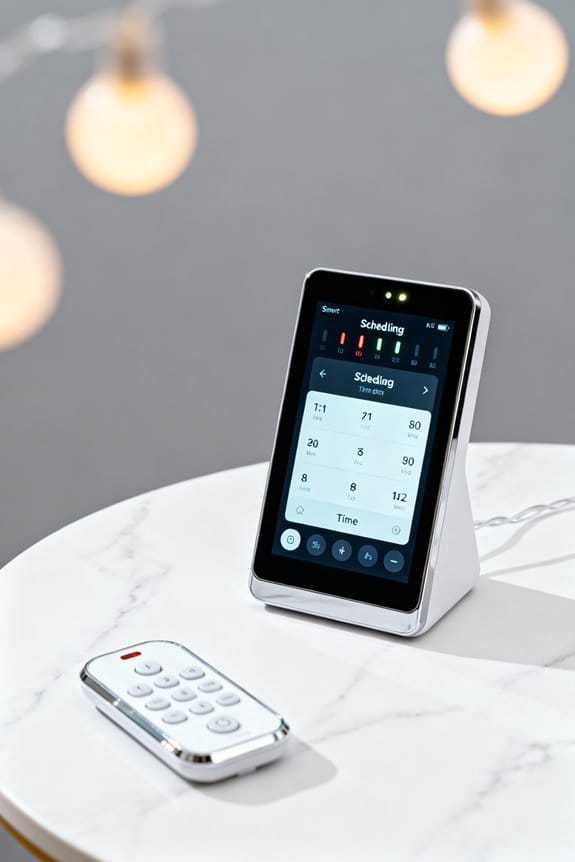
Homeowners can remotely customize lighting scenes and schedules through smart lighting applications that interface with string light systems, allowing the creation of tailored ambiance settings for various events such as festive holidays, dinner parties, or quiet evenings; these applications typically support programming to the nearest minute, enabling lights to operate automatically within predetermined intervals that optimize energy consumption while enhancing user convenience. Utilizing remote access, multiple strands of string lights can be grouped and synchronized into scenes that adjust collectively, ensuring consistent visual effects. Integration with smart home platforms permits the use of voice commands to modify lighting scenarios without requiring direct device interaction. In addition, users can set schedules aligned with daily routines or security measures, allowing efficient automation that reflects occupancy patterns and reduces unnecessary energy usage. Many models also offer music sync capabilities, adding dynamic effects that respond to sound for enhanced event atmospheres.
Troubleshooting Common Remote Control Issues
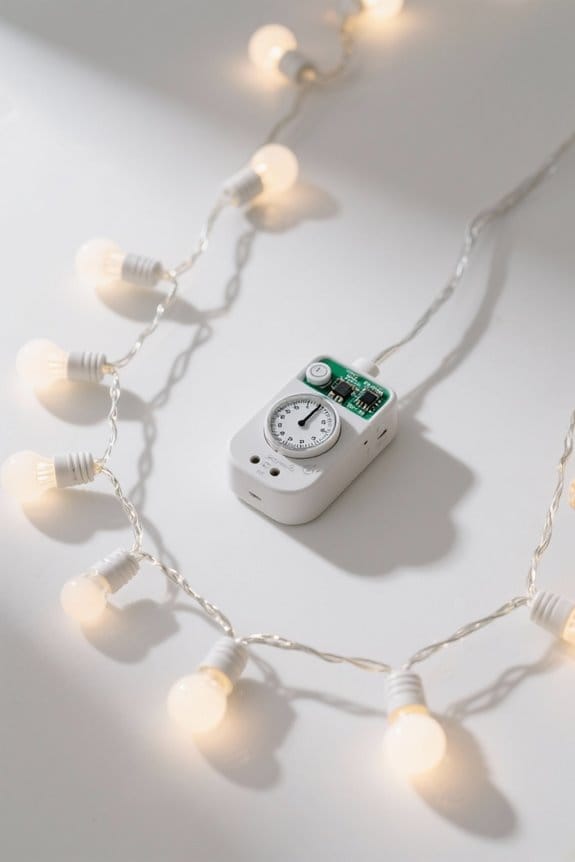
Although remote control systems for string lights are designed for convenience, troubleshooting common issues often involves verifying battery power levels in the remote, which can drop below functional thresholds and impede infrared or radio frequency signal transmission, typically within an effective range of 50 to 100 feet; users should also confirm stable Wi-Fi connectivity when dealing with network-enabled models, as intermittent signals or interference from other electronic devices can disrupt communication and impair device responsiveness. Additionally, repositioning the remote control or lights may mitigate wireless interference. If lights fail to operate as intended, reviewing the settings on the remote or mobile app is essential to verify timers and schedules are accurately configured. Consistent network connection and correct device placement are critical for maintaining reliable remote access and peak performance of smart lighting systems. It is also important to ensure the string lights are connected to a 2.4 GHz WiFi network, as most smart lights do not support 5 GHz, which can cause connectivity issues.
Future Trends in Remote Access for Outdoor Lighting
As smart home ecosystems continue to evolve, remote access technologies for outdoor string lighting are increasingly integrating AI-driven automation and advanced sensor capabilities, enabling precise adjustments like brightness modulation within a 5-lux ambient threshold or activation tied to biometric motion patterns detected up to 15 meters away. Future models will feature wireless remote control through mobile apps and voice interfaces, allowing energy-efficient scheduling that adapts to sunset times or occupancy patterns. Solar-powered string lights equipped with smart sensors will reduce reliance on traditional power, promoting sustainable use. Enhanced energy monitoring via remote access will enable homeowners to analyze consumption data and optimize usage, lowering operational costs. Security improvements include motion detection with occupancy simulation, allowing remote activation to deter intruders, reflecting a trend toward multifunctional smart outdoor lighting solutions. These future systems will likely incorporate dusk to dawn functionality to automate lighting based on natural light conditions, further enhancing energy efficiency and convenience.
Frequently Asked Questions
How Can I Control My Lights When Away From Home?
Like a conductor orchestrating a symphony from afar, one controls string lights using smart home integration and a mobile app, leveraging wireless technology to enhance energy efficiency while managing illumination remotely, effortlessly blending convenience with control.
How Can I Have Control From My Lights From Far?
Control over lights from afar is achieved through smart home technology utilizing Wi-Fi connectivity. Mobile applications and automation systems enable users to schedule, adjust, and monitor lighting remotely, providing seamless management regardless of physical location.
How Do Remote Controlled Lights Work?
Remote controlled lights rely on smart lighting technology, employing wireless communication systems that connect through the internet of things. Controlled via mobile app integration, users send commands, adjusting brightness and settings instantly, creating seamless, automated lighting experiences from anywhere.
How to Control Outside Lights Remotely?
Controlling outside lights remotely involves using smart lighting solutions combined with outdoor lighting apps that leverage Wi-Fi connectivity. Users can schedule operations and implement energy efficiency tips, optimizing convenience and reducing power consumption effectively.