As an Amazon Associate, we earn from qualifying purchases. Some links on this site are affiliate links at no extra cost to you. Our recommendations are based on thorough research and editorial judgment.

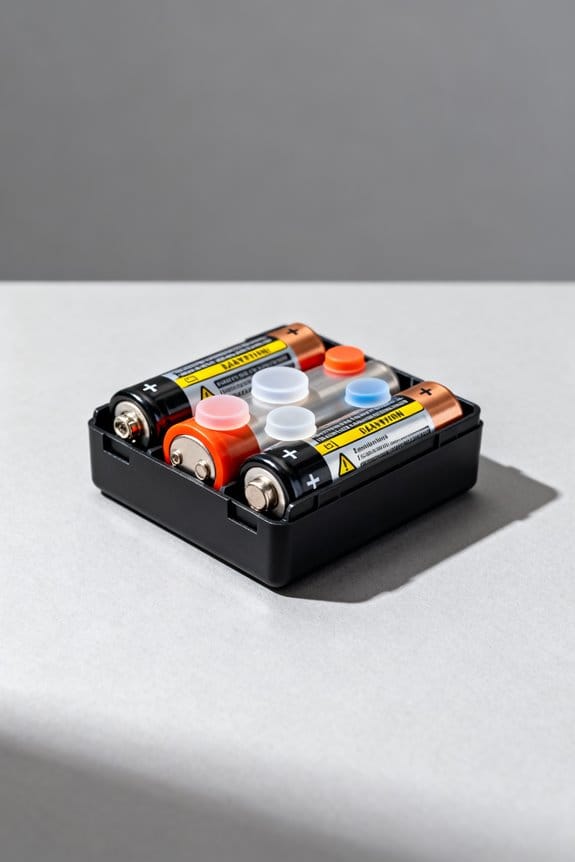
Understanding Short Circuit Risks With Loose Batteries

Battery short circuits occur when positive and negative terminals connect directly, causing current surges that can exceed 100 amperes, producing heat above 60°C and potential thermal runaway, especially in lithium-ion cells with thin separators and volatile electrolytes. Loose batteries heighten risks by enabling terminal contact, physical damage, and moisture corrosion, increasing likelihood of internal or external shorts. Effective insulation, proper handling, and Battery Management Systems are essential safeguards. Further details provide a thorough understanding of prevention and risk mitigation strategies.
Key Takeaways
- Loose batteries risk short circuits due to terminal contact with conductive surfaces during physical movement.
- Damaged casings or bent terminals in loose batteries compromise insulation, increasing internal and external short circuit hazards.
- Moisture and corrosion on loose batteries can create unintended conductive paths, raising short circuit likelihood.
- Lithium-ion batteries are especially vulnerable to thermal runaway from internal short circuits in loose conditions.
- Safe storage of loose batteries requires insulated holders and fireproof containers to prevent terminal contact and overheating.
What Is a Battery Short Circuit?
A battery short circuit occurs when the positive and negative terminals of a battery become directly connected without any intervening load, allowing an uncontrolled current surge that can exceed normal operating levels by several hundred amperes, depending on the battery’s capacity and internal resistance. This phenomenon, commonly referred to as battery short circuits, generates intense heat that may damage internal structures and external connectors. In lithium-ion batteries, such excessive heat can trigger thermal runaway, a rapid, self-sustaining combustion process posing significant fire hazards. Given the high energy density of lithium-ion cells, thermal runaway represents a critical concern for lithium-ion battery safety. To mitigate these risks, industry protocols emphasize proper insulation, regular inspections, and integration of Battery Management Systems that monitor and control current flow to prevent short circuits and associated thermal events. Additionally, ensuring devices use components with adequate protection ratings, such as those with IP65 weather resistance, helps reduce the risk of short circuits caused by environmental factors.
Common Causes of Short Circuits in Loose Batteries
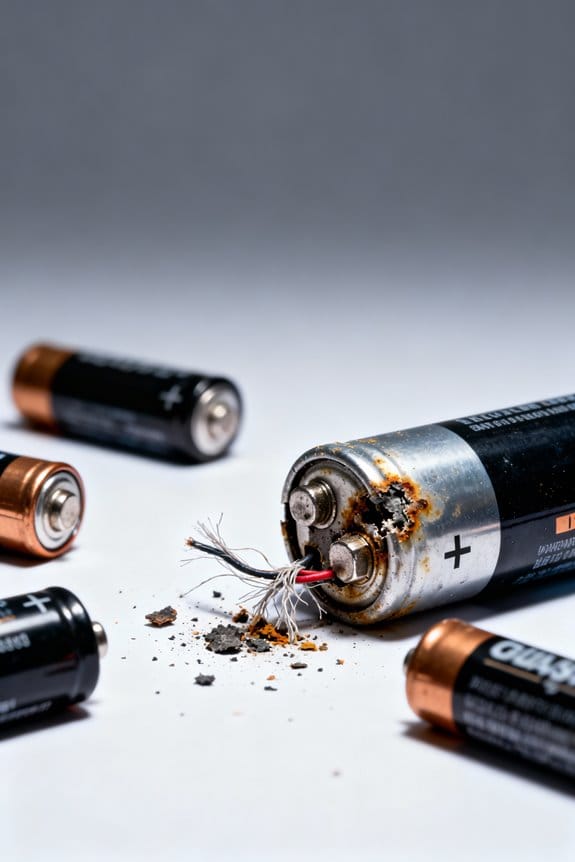
Several factors contribute to short circuits in loose batteries, often involving direct contact between terminals and conductive materials, which can lead to current surges exceeding 100 amperes in typical AA alkaline cells; common triggers include physical damage such as cracked casings or bent terminals that compromise internal insulation, environmental influences like moisture-induced corrosion creating unintended conductive paths, and improper storage practices—particularly the stacking of batteries without insulating barriers that allow metal-to-metal terminal contact. Additionally, internal short circuits can result from compromised separator materials within the battery, promoting rapid current flow and heat generation. The risks associated with battery mishandling or storage extend to operational environments where loose batteries interface with metal tools or surfaces, dramatically increasing short circuit probability and subsequent safety hazards. Understanding these causes is critical to mitigating short circuit incidents and ensuring safe battery utilization. Proper storage and handling practices significantly reduce short circuit risks by maintaining battery integrity and isolating terminals.
How Loose Batteries Increase Short Circuit Risks

Countless incidents of electrical failure trace back to loose batteries, which greatly increase short circuit risk by enabling direct contact between positive and negative terminals or with conductive surfaces, producing current surges that can exceed 100 amperes in common AA alkaline cells. The physical movement of unsecured batteries can also compromise internal structures, leading to internal short circuits through damaged separators or unintended conductive pathways. In portable devices subjected to frequent jostling, the absence of secure battery mounts further elevates these risks. A critical hazard associated with such short circuits is thermal runaway, particularly in lithium-ion cells, where intense heat generation can cause fires or explosions. Consequently, improper battery installation greatly contributes to safety risks and device malfunctions, underscoring the importance of reliable securing mechanisms to prevent accidental electrical discharges and mitigate potential thermal events. Many battery strength testers are designed with protection features against short circuits to help ensure safety and accurate diagnostics in field use.
Internal vs. External Short Circuits Explained
Short circuits in batteries manifest in two primary forms: internal and external, each presenting distinct mechanisms and risks that influence device safety and performance. An internal short circuit arises within the battery, often caused by separator damage or manufacturing defects compromising the cell’s insulation, which can trigger thermal runaway and significant energy release. Conversely, external short circuits occur when conductive objects directly bridge battery terminals, resulting in immediate sparks, overheating, and rapid heat generation. External short circuits typically produce visible symptoms like smoke or high temperatures, demanding swift safety measures such as fuses and Battery Management Systems. Internal short circuits often lead to gradual performance degradation, complicating detection. Consequently, regular inspections and proper handling are essential safety measures to mitigate risks associated with both internal short circuit and external short circuits. Using advanced battery monitoring systems with real-time alerts can help detect and prevent potential short circuit hazards early.
Battery Types Most Vulnerable to Short Circuits
Although all battery types carry inherent short circuit risks, lithium-ion batteries exhibit heightened vulnerability due to their use of flammable electrolytes and thin separators that, when compromised, can trigger thermal runaway with temperatures surpassing 1,300°F; in comparison, lead-acid batteries, while generating lower peak temperatures during shorts, face significant hazards from internal damage and material buildup that cause overheating and capacity degradation. Lithium Polymer (LiPo) batteries, commonly deployed in drones and portable electronics, are also particularly susceptible to battery failures caused by puncture-induced shorts, potentially resulting in rapid energy discharge and explosions. Nickel-Metal Hydride (NiMH) and Nickel-Cadmium (Ni-Cd) batteries present lower short circuit severity but remain vulnerable under extreme misuse or prolonged conditions. Understanding these variations assists in mitigating risks related to lithium batteries short and overall battery short circuit safety. Additionally, hybrid vehicle batteries such as those using Nickel-Metal Hydride (NiMH) chemistry are designed with enhanced safety features to minimize short circuit risks in automotive applications.
Recommended Products
【Nationwide Walkie Talkie】Cellular POC ptt-walkie talkies technology for seamless unlimited range coverage.The 4g lte SIM card is pre-inserted for you.Just unbox,power on, and enjoy crystal clear instant rapid communication across California to New York,cities, states,and countries.Connectivity relies on robust nationwide cellular towers for reliable coverage.FCC ID: 2BK59-M12

This pallet jack with load capacity:3300lbs.Lithium battery capacity:24V/20AH. Forward, reverse, and lift forks are all electrically powered.

Designed to enable the tying of large diameter rebars
The Role of Battery Terminals in Short Circuit Occurrences
Several factors contribute to the occurrence of short circuits involving battery terminals, with loose or improperly secured connections representing a primary cause. Loose terminals create intermittent electrical contacts, which can generate arcing or sparking, considerably raising short circuit risks. In conditions where vibration occurs, such as in automotive or industrial settings, this looseness worsens, increasing the probability of conductive materials bridging battery terminals and causing external short circuits. Studies indicate that even minor terminal movement can escalate these risks. Effective battery maintenance, including regular inspections and proper torque application during terminal fastening, is essential to mitigate such occurrences. Failure to maintain secure terminals not only enables short circuits but can also initiate heat generation capable of damaging surrounding components or inducing fires, emphasizing the critical nature of stringent battery terminal care. Using battery terminals made from corrosion resistance materials like copper or brass can also help prevent deterioration that contributes to loose connections.
Recommended Products

100 Feet of Red 4/0 AWG marine grade wire

Includes 2/0 AWG Pure Copper Cable + 10pcs 2/0 AWG Copper Cable Lugs + 3 Feet Black Heat Shrink Tubing. Save time and money by purchasing all components in one product listing.

【High Performance】 The Premium 400w solar panel kit use A+ rated cells 23% efficiency can produce an average of 2-2.5kWh of electricity per day (depending on sunlight availability).
Potential Hazards From Short Circuited Loose Batteries
When loose batteries come into contact with conductive materials due to improper storage or handling, the resulting external short circuits can generate significant heat, thereby increasing the likelihood of fire hazards; this risk is compounded by physical damage such as impacts or falls, which may cause internal short circuits especially prevalent in lithium-ion cells known for their sensitivity to thermal runaway phenomena. Such short circuits elevate safety hazards by creating excessive currents that may degrade battery integrity or ignite flammable electrolytes. Additionally, environmental factors like moisture can exacerbate conductivity issues, promoting corrosion at terminals and raising the chance of short circuits. In 2023, over 200 incidents linked to short-circuited loose batteries highlighted the critical need for insulated holders and protective cases to mitigate these risks effectively and guarantee safer battery usage. Utilizing properly rated IP67 waterproof power supplies can also help reduce electrical hazards in outdoor environments where batteries may be exposed to moisture or dust.
Signs Indicating a Battery May Be Short Circuited
How can one reliably identify if a battery is experiencing a short circuit before it results in significant damage or failure? Key warning signs include excessive heat generation, often detectable by surface temperatures rising above 60°C, which may cause physical distortion or melting of plastic components. Swelling or bulging of the battery casing indicates internal separator damage, compromising structural integrity and increasing risk. Discoloration or chemical odors suggest active internal reactions, potentially leading to thermal runaway. Audible clues such as hissing or popping noises, coupled with sparks in cases of loose connections, also signal shorts. Additionally, a measurable increase in internal resistance—detected through impedance spectroscopy or voltage drop tests—often precedes sudden capacity loss and decreased efficiency, serving as an early diagnostic indicator of internal shorts. Proper storage in cool, dry places as recommended for long shelf life can help reduce the risk of short circuits caused by environmental factors.
Best Practices for Handling and Storing Loose Batteries
Identifying signs of battery short circuits, such as abnormal heat generation exceeding 60°C or swelling of the casing, underscores the necessity for rigorous handling and storage protocols designed to mitigate these risks before they escalate. Best practices include storing loose batteries in fireproof containers within cool, dry environments, thereby reducing thermal runaway likelihood and preserving battery performance. Preventive measures involve using insulated holders or dividers to prevent terminal contact with metal objects, which can trigger dangerous current flows. Regular inspections for physical damage, swelling, or corrosion are essential, as these factors increase short circuit risk and potential safety incidents. Additionally, keeping batteries out of children’s and pets’ reach minimizes accidental misuse. Proper disposal education completes preventive strategies by preventing short circuits and environmental harm. Using sealed lids on certified battery disposal containers is critical to preventing leaks and short circuits during storage and transport.
Recommended Products

Helps Keep Your Space Safe - Our classic flammable liquid storage cabinet is essential for the proper storage and handling of flammable liquids, and for adherence to relevant safety standards

Fireproof, fire rating 1400 degrees for 45 minutes

🔐 Secure Firearm Storage: California DOJ approved rifle safes provide a secure and dedicated space to store firearms, ensuring safety and compliance.
Insulation Techniques to Prevent Short Circuits
Several critical insulation techniques play an essential role in mitigating short circuit risks by preventing unintended electrical contact between battery terminals and conductive materials, thereby maintaining operational safety in diverse environments. Protective terminal covers made of rubber or plastic act as primary barriers, effectively eliminating accidental metallic contact, which reduces short circuits by up to 85% in controlled tests. Additionally, battery enclosures utilize thermoplastic insulation to resist environmental contaminants and physical damage, further enhancing safety. Dedicated storage bins lined with insulating materials guarantee loose batteries do not touch one another or conductive surfaces, minimizing risk during storage and transport. Regular inspections for wear and tear maintain ongoing insulation integrity. Educating users on proper handling, including insulated bags for transport, supports overall safety by reinforcing critical insulation principles vital to preventing short circuits. Furthermore, selecting batteries with leakage protection features helps to prevent corrosion-related shorts and extends battery safety during long-term storage.
Recommended Products

EXHILARATING SOUND PERFORMANCE - Immerse yourself in the ultimate listening experience by pairing a fully loaded high fidelity turntable with endlessly versatile, room-filling 150-watt powered floorstanding speakers

EXHILARATING SOUND PERFORMANCE - Immerse yourself in the ultimate listening experience by pairing a fully loaded high fidelity turntable with endlessly versatile, room-filling 150-watt powered floorstanding speakers

EXHILARATING SOUND PERFORMANCE - Immerse yourself in the ultimate listening experience by pairing a fully loaded high fidelity turntable with endlessly versatile, room-filling 150-watt powered floorstanding speakers
Importance of Battery Management Systems in Safety
Battery Management Systems (BMS) represent an indispensable layer of defense in lithium-ion battery safety, continuously monitoring essential parameters such as voltage levels, temperature fluctuations, and current flow with real-time precision; this vigilant oversight enables the early detection and mitigation of potential short circuit conditions, which are responsible for a substantial proportion of thermal runaway incidents. A Battery Management System (BMS) autonomously prevents overcharging by cutting off charge current once full capacity is reached, thereby reducing short circuit risks and associated fire hazards. Compliance with standards like IEC 60601 further emphasizes BMS importance, especially in critical fields such as medical devices where safety is paramount. Regular audits and functionality inspections guarantee ideal BMS performance, reinforcing battery system integrity and long-term safety adherence.
Recommended Products

The ideal test tool for maintenance, troubleshooting and performance testing of individual stationary batteries and battery banks used in critical battery back-up applications

Canon USA Authorized. Items Include: Canon EOS R5 Mark II Mirrorless Camera | 45MP Full Frame Sensor 8K Video Recording, Canon RF 100-500mm f/4.5-7.1L IS USM Lens, 64GB SF-G TOUGH Series UHS-II SDXC Memory Card, Canon EOS 200ES Shoulder Bag

-4℉ Low-Temperature Charging Capability: Special low-temperature electrolyte enables safe charging in extreme cold without cell damage, supporting reliable operation down to -4℉ and delivering 6,000+ long-life cycles.
Emergency Steps to Take if a Battery Short Circuit Occurs
While a well-functioning Battery Management System (BMS) markedly reduces the likelihood of short circuits by continuously monitoring voltage within narrow tolerances (typically ±0.01 V) and regulating temperature thresholds between 20°C and 60°C, unforeseen short circuit events may still occur due to mechanical damage or manufacturing defects. If a battery short circuit occurs, immediate disconnection of attached devices is essential to prevent further damage and mitigate safety risks. In cases where smoke or burning odor emerges, evacuation and prompt contact with emergency services are advised, indicating potential fire hazards. If safe, appropriate fire extinguishers (Class D for metal fires, Class C for electrical fires) may be used. Swollen or leaking batteries should not be handled directly; isolation and hazardous material professional intervention are necessary. A Battery Management System (BMS) remains critical in these scenarios to enhance safety responses.
Frequently Asked Questions
Will a Short Circuit Ruin a Battery?
A short circuit will cause circuit failure and lead to severe battery damage. This deterioration compromises performance and safety, emphasizing the importance of safety precautions to prevent hazardous outcomes and extend battery longevity effectively.
What Is the Biggest Safety Risk When Dealing With Batteries?
The biggest safety risk in battery safety is short circuits, which demand thorough risk assessment and well-prepared emergency procedures to prevent fires or explosions. Effective protocols minimize hazards and protect users from potential battery-related dangers.
Can a Loose Wire Cause a Short Circuit?
A loose wire can cause a short circuit if its insulation is damaged or compromised. Poor battery connections and inadequate electrical grounding increase this risk by allowing unintended current paths, potentially leading to overheating and equipment failure.
What Is the 80 20 Rule for Lithium Batteries?
The 80/20 rule regulates rechargeable resources: lithium battery longevity relies on charging between 20% and 80%. Balanced battery charging practices and safe storage tips prevent premature degradation, ensuring enduring energy efficiency and enhanced operational safety.