As an Amazon Associate, we earn from qualifying purchases. Some links on this site are affiliate links at no extra cost to you. Our recommendations are based on thorough research and editorial judgment.


Understanding Heavy Metal Contamination From Improper Battery Disposal

Improper battery disposal releases heavy metals like cadmium and mercury into soil and groundwater, often exceeding EPA safety thresholds, resulting in toxic contamination that disrupts ecosystems and threatens human health by causing kidney damage and neurological impairments. Despite only 5% of battery waste being recycled as of 2018, advanced recycling technologies such as pyrometallurgy and hydrometallurgy improve metal recovery while minimizing environmental harm. Understanding these impacts alongside regulatory and technological responses illuminates essential strategies for mitigating this growing issue.
Key Takeaways
- Improper battery disposal releases heavy metals like cadmium and mercury into soil and groundwater, causing toxic environmental contamination.
- Heavy metal contaminants from batteries bioaccumulate, disrupt ecosystems, and pose serious risks to microbial communities.
- Cadmium exposure from battery waste is linked to kidney damage and bone weakening, while mercury affects neurological health.
- Low recycling rates and inadequate infrastructure worsen heavy metal pollution from discarded batteries.
- Legal regulations and advanced recycling technologies are essential to manage heavy metal contamination and reduce environmental harm.
Significance of Proper Battery Disposal
Although battery-powered devices have become ubiquitous in daily life, the proper disposal of heavy metal batteries, such as nickel-cadmium and lead-acid types, remains critically important due to their potential to release toxic substances into the environment when mishandled. These batteries contain hazardous waste components, including heavy metals like cadmium and lead, which pose significant environmental risks through contamination of soil and water. Despite regulations such as the Universal Waste Rule mandating responsible management, in 2018 only 5% of battery waste was recycled, exposing ecosystems to long-term damage. Effective battery disposal practices rely on advanced recycling technologies and widespread consumer education to reduce improper disposal rates. Addressing these issues is essential to limit ecological harm and safeguard vulnerable populations from health risks associated with toxic heavy metals. Furthermore, it is crucial to follow regulatory compliance to ensure proper handling and disposal of hazardous batteries.
Composition and Types of Heavy Metal Batteries
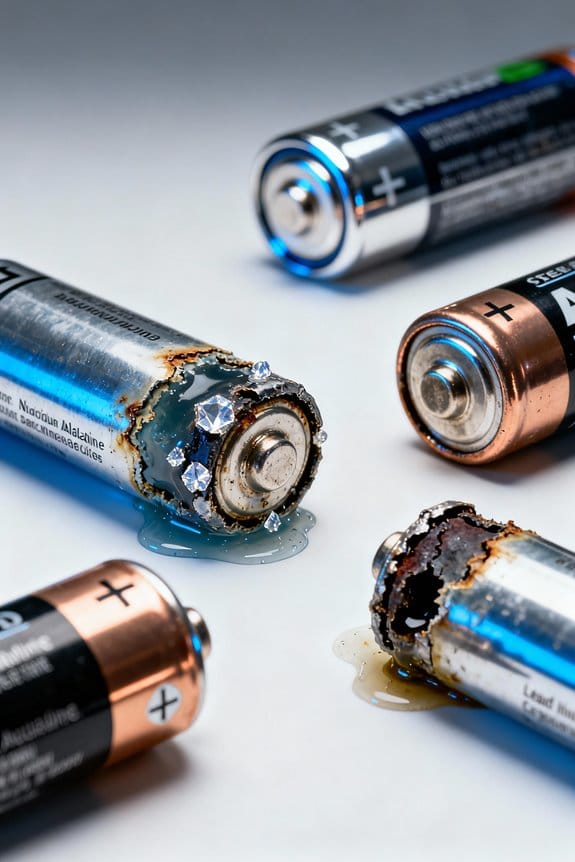
Heavy metal batteries encompass a variety of chemistries, including Nickel-Cadmium (NiCd), Mercury (Hg), and Silver Oxide types, each distinguished by unique compositions and usage patterns that contribute to their environmental impact. Nickel/Cadmium batteries contain cadmium, a hazardous heavy metal found in rechargeable electronics, requiring stringent recycling processes to prevent contamination. Mercury batteries, marked by the “Hg” label and discontinued after 1996, were commonly used in watches and hearing aids and contain mercury, which poses notable environmental risks upon improper disposal. Silver oxide batteries, utilized in medical devices and pagers, contain silver compounds that demand careful handling to avoid heavy metal contamination. All these batteries harbor hazardous materials that, when improperly disposed of, can release toxic substances into soil and water, emphasizing the critical need for proper recycling processes to mitigate environmental contamination. Choosing batteries with eco-friendly options such as those free of mercury and cadmium can significantly reduce these environmental risks.
Environmental Risks Linked to Heavy Metal Leakage

When improperly disposed of, batteries containing heavy metals such as cadmium, mercury, and lead release toxic substances that infiltrate soil and groundwater, where concentrations as low as 1 mg/kg for cadmium and 0.2 mg/L for mercury have been documented to exceed safe environmental thresholds established by the EPA. This heavy metal contamination from battery waste poses significant environmental risks, as these substances persist in ecosystems, accumulating in vegetation and aquatic organisms. Improper disposal methods, including landfilling and incineration, exacerbate leaching, leading to widespread soil and water degradation. Elevated levels of heavy metals disrupt microbial communities and bioaccumulate in food chains, undermining ecosystem stability. Consequently, environmental contamination linked to battery disposal represents a critical concern for maintaining safe water quality and preserving ecological integrity over extended periods. Implementing battery recycling procedures can significantly reduce these environmental hazards by ensuring proper handling and recovery of toxic materials.
Human Health Implications of Battery Contaminants
Because heavy metals such as cadmium, lead, and mercury released from improperly discarded batteries can accumulate in soil and water, exposure to these contaminants presents significant human health risks; specifically, cadmium concentrations as low as 1 mg/kg in soil have been linked to kidney damage and bone demineralization, while lead levels exceeding 0.015 mg/L in drinking water are associated with neurological impairments, particularly in children and pregnant women. These hazardous battery contaminants, derived mainly from nickel-cadmium and lead-acid batteries, pose toxic heavy metals threats that extend beyond individual health to affect public health systems. Neurological damage and respiratory issues, especially among vulnerable populations, result from long-term exposure, worsening kidney damage prevalence. The environmental consequences of this improper disposal amplify risks to human health, demonstrating the urgent need for responsible waste management to mitigate contamination and reduce public health burdens. Using NiMH batteries instead of toxic variants can significantly reduce heavy metal pollution and its associated health hazards.
Lifecycle Analysis of Battery Waste
Analyzing the lifecycle of battery waste reveals environmental hazards that occur at distinct stages, from raw material extraction through manufacturing to disposal, with mining operations contributing to air and water pollution through heavy metal exposure, and manufacturing processes generating chemical byproducts that demand careful management. Despite battery waste exceeding 345,000 tons in 2018, recycling accounted for merely 5%, underscoring severe inefficiencies. Improper disposal releases heavy metals such as cadmium and lead, causing soil contamination and water pollution, which elevate health risks to ecosystems and humans alike. Given the projected 18% to 30% compound annual growth rate in battery consumption by 2030, recovering valuable materials through improved recycling is critical for mitigating environmental damage and reducing hazardous waste accumulation. Enhanced policies are essential to support sustainable battery lifecycle management and limit contamination. Utilizing battery reconditioner chargers to extend battery life could significantly reduce the volume of battery waste generated.
Challenges in Battery Recycling Infrastructure
Although lithium-ion battery consumption is projected to increase by up to 30% annually through 2030, the existing recycling infrastructure remains insufficient to manage the growing volume of battery waste, which exceeded 345,000 tons in 2018 while achieving a recycling rate of only 5%. This limited recycling infrastructure contributes to substantial heavy metal contamination risks, as improper disposal allows hazardous contaminants to leach into the environment. Material recovery processes are hindered by outdated technologies and a lack of standardized protocols, resulting in inefficient extraction of valuable metals and increased environmental burden. Furthermore, few countries possess advanced battery recycling capabilities, amplifying the challenge of global waste management. Enhancing public awareness and enforcing regulatory compliance are essential to address these shortcomings, reduce improper disposal, and mitigate the environmental impact associated with heavy metal contamination from battery waste. Additionally, proper battery storage and maintenance practices can help minimize leakage risks and environmental hazards prior to disposal.
Legal and Ethical Aspects of Battery Waste Management
The growth in lithium-ion battery consumption and the accompanying challenges in recycling infrastructure highlight the need to contemplate the legal and ethical frameworks governing battery waste management, especially given the significant environmental and health risks posed by heavy metal contamination. Legal risks arise when improper disposal leads to hazardous material release, causing environmental impact and potential community actions against responsible parties. Mandatory recycling policies and deposit-refund systems incentivize ethical management, requiring strict documentation and adherence to EPA guidelines. Transparency is essential to address social concerns related to raw material sourcing and to establish liability when contamination occurs. Effective compliance with regulations such as the Universal Waste Rule minimizes legal repercussions, promotes accountability, and supports community trust, emphasizing the importance of thorough legal and ethical stewardship in battery waste handling. Furthermore, considering battery leakage prevention features can significantly reduce risks associated with improper battery disposal.
Innovative Technologies for Battery Recycling
Innovative battery recycling technologies increasingly incorporate advanced methods such as pyrometallurgy and hydrometallurgy, which efficiently recover valuable metals including lithium, cobalt, and nickel while reducing environmental contaminants by up to 40%, according to recent pilot studies employing controlled thermal and aqueous chemical processing. These innovative recycling technologies, combined with biometallurgy’s biological extraction processes, support advanced recycling strategies that minimize environmental impact and enhance resource recovery from lithium batteries. Incorporating Life Cycle Assessment in recycling decision-making allows for identification of the most sustainable materials and methods, promoting both environmental and economic benefits. Furthermore, collaborating with specialized recycling facilities ensures safe, compliant processing aligned with regulatory standards, thereby strengthening the circular economy for battery materials and substantially reducing hazardous waste associated with improper battery disposal. Ensuring proper weather resistance and durability standards in recycled battery materials is crucial to their effective reuse in new applications.
Roles of Consumer Awareness and Education
Because many consumers remain uninformed about the hazardous components in rechargeable and single-use batteries, such as cadmium in Nickel-Cadmium types or lead in lead-acid batteries, public awareness profoundly impacts environmental contamination levels arising from improper disposal. Consumer awareness efforts, including targeted educational initiatives, are essential to promote proper handling of heavy metal batteries typically found in consumer electronics. Statistics from 2018 reveal that only 5% of battery waste underwent recycling, underscoring the urgency to increase participation and reduce environmental hazards linked to toxic heavy metals. As contamination disrupts soil and water quality, thorough education can empower consumers to adopt sustainable battery management practices, thereby mitigating pollution risks and facilitating acceptance of innovative recycling technologies designed to address these challenges more effectively. Additionally, using battery contact cleaners can help reduce corrosion and extend battery life, contributing to less frequent disposal and lower heavy metal environmental impact.
Policy Measures and Regulatory Frameworks
Thorough policy measures and regulatory frameworks form the backbone of efforts to curb heavy metal contamination resulting from improper battery disposal, with laws such as the Universal Waste Rule in the United States mandating strict compliance for waste generators to manage hazardous batteries safely and limit environmental impact. Internationally, the Basel Convention complements battery disposal regulations by establishing guidelines for the transboundary movement and disposal of hazardous waste. Non-compliance exposes entities to fines and legal consequences, reinforcing adherence importance. Uniform recycling standards are essential to mitigate environmental risks and encourage sustainable practices across diverse regions. Additionally, educational initiatives enhance compliance by raising awareness about proper battery waste management, thereby reducing heavy metal contamination risks. Together, these regulatory frameworks and policy measures aim to safeguard ecosystems and public health from hazardous batteries’ adverse effects. Implementing UN-tested recycling kits in households and facilities supports regulatory compliance and promotes safe battery handling and disposal.
Frequently Asked Questions
How Can I Safely Store Used Batteries at Home Before Disposal?
Safe battery containment involves using battery storage containers designed for temporary battery storage. Best storage practices include organizing used batteries, following battery safety guidelines, and applying eco-friendly storage methods. Proper battery storage solutions support effective battery disposal tips.
What Immediate Steps Should I Take if a Battery Leaks in My Car?
When leak detection reveals battery acid exposure, “a stitch in time saves nine.” Immediate emergency cleanup using safety equipment is crucial. Proper car maintenance, adherence to disposal guidelines, and awareness of health risks and environmental regulations prevent further damage.
Are There Any Common Household Items That Can Neutralize Battery Acid Spills?
Common household neutralizing agents for battery acid spills include baking soda and cornstarch mixture, which absorb and neutralize acid. Vinegar solution, containing citric acid, is acidic; cat litter, sand absorbent, dish soap, and rice grains aid spill containment.
How Do Different Climate Conditions Affect Battery Leakage and Contamination?
Like a cracked dam worsening flood damage, climate impact intensifies battery leakage. Temperature fluctuations and humidity effects shorten battery lifespan, while precipitation roles and seasonal variations influence soil absorption, contamination spread, and microbial activity, altering heavy metal dispersal patterns.
Can DIY Battery Recycling Methods Be Harmful or Ineffective?
DIY recycling risks include ineffective methods that increase contamination spread and safety hazards. These pose significant environmental impact and legal implications. Alternative solutions involve community initiatives and education programs promoting safe, regulated battery disposal techniques.