As an Amazon Associate, we earn from qualifying purchases. Some links on this site are affiliate links at no extra cost to you. Our recommendations are based on thorough research and editorial judgment.

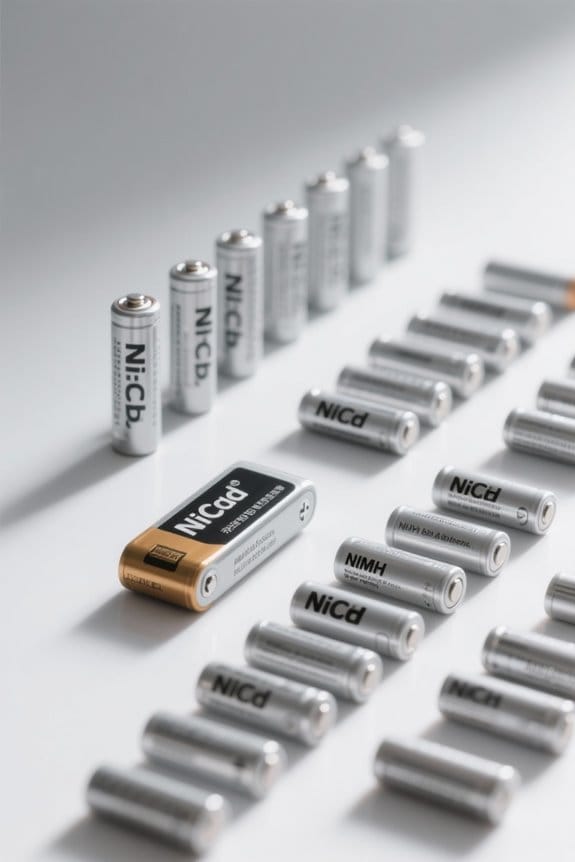
Understanding Nicd Vs Nimh Rechargeable Battery Technology

Nickel-Cadmium (NiCd) batteries, developed in 1899, offer robust discharge rates exceeding 10 C and endure 500 to 1,000 cycles, functioning reliably in temperatures down to –20°C but suffer from a memory effect and contain toxic cadmium. In contrast, Nickel-Metal Hydride (NiMH) batteries provide higher energy density (60–120 Wh/kg), over 1,000 cycles without memory effect, and greater environmental safety despite up to 30% monthly self-discharge. Understanding their unique chemistries clarifies best usage scenarios and performance trade-offs.
Key Takeaways
- NiCd batteries use nickel oxide hydroxide and cadmium; NiMH batteries utilize nickel hydroxide and hydrogen ions for charge storage.
- NiCd offers high discharge rates and durability up to 1,000 cycles; NiMH provides higher energy capacity with over 1,000 cycles.
- NiCd batteries suffer from memory effect and lower self-discharge, while NiMH batteries avoid memory issues but have higher self-discharge rates.
- NiCd contains toxic cadmium requiring strict recycling, whereas NiMH is more environmentally friendly with no hazardous substances.
- NiCd is ideal for power tools and harsh conditions; NiMH suits consumer electronics and applications needing longer run times and eco-friendliness.
Overview of Nickel-Cadmium (NiCd) Batteries
Nickel-Cadmium (NiCd) batteries, first developed in Sweden in 1899, consist of nickel oxide hydroxide positive electrodes, cadmium negative electrodes, and a potassium hydroxide electrolyte, a combination that enables a high energy density and robust discharge rate suitable for numerous applications. NiCd batteries are rechargeable and typically endure between 500 to 1,000 discharge cycles, retaining stable performance even under low temperatures. Despite their relatively lower energy efficiency compared to modern alternatives, nickel-cadmium batteries remain widely utilized in power tools, toys, and medical devices due to their reliability and cost-effectiveness. However, they exhibit the memory effect, which compromises capacity if not fully discharged periodically, and contain toxic cadmium, posing significant environmental hazards if improperly disposed of. The recycling programs for expired batteries are crucial for managing environmental impacts and ensuring safe disposal practices. Nonetheless, their consistent power output until depletion underlines their continued relevance in certain rechargeable battery applications.
Overview of Nickel-Metal Hydride (NiMH) Batteries
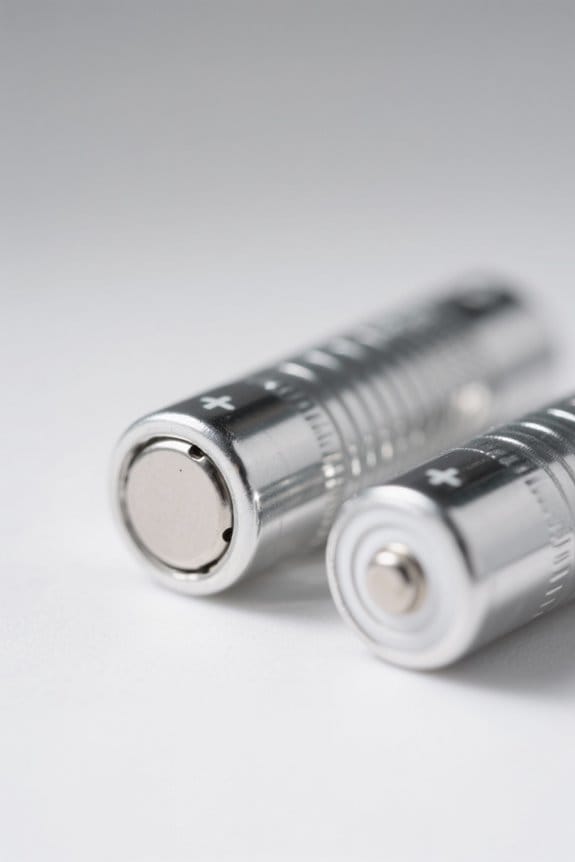
Developed as an improvement upon earlier rechargeable technologies, Nickel-Metal Hydride (NiMH) batteries received commercial approval in 1987 following extensive performance testing that demonstrated their higher energy capacity and environmentally safer composition compared to previous models. NiMH batteries utilize a nickel hydroxide positive electrode and a hydrogen ion negative electrode with an alkaline electrolyte, offering markedly greater high energy density than their NiCd counterparts. As a rechargeable battery solution, nickel-metal hydride batteries gained popularity across diverse applications, including automotive batteries, mobile phones, and digital cameras. They are recognized as eco-friendly alternatives due to the absence of hazardous chemicals such as mercury or lead, commonly found in older batteries. However, their self-discharge rate remains a limiting factor, with up to 30% charge loss per month during inactivity, influencing storage and maintenance considerations. NiMH batteries, with their ability to provide over 1000 cycles, offer a long-term value and an environmentally friendly solution for power needs.
Performance Characteristics of NiCd and NiMH Batteries
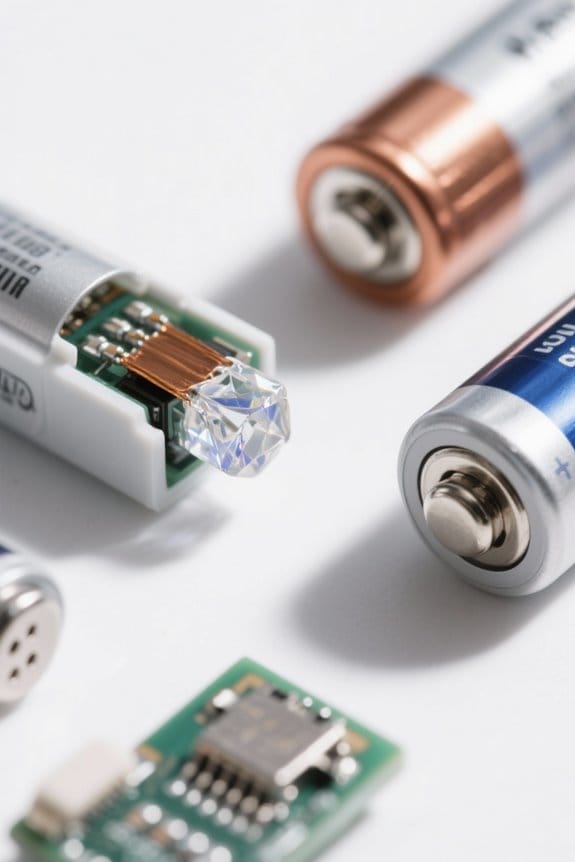
Several key performance metrics distinguish NiCd and NiMH batteries, influencing their suitability for various applications; NiCd batteries demonstrate remarkable capability in delivering high discharge currents, often exceeding 10 C rates for brief periods, which makes them indispensable for power tools and emergency lighting requiring bursts of intense energy. NiMH batteries, while offering lower high discharge rates, provide greater energy density, enabling longer run times in devices like digital cameras due to their higher capacity. NiCd batteries are affected by the memory effect, which reduces usable lifespan if not fully cycled, whereas NiMH batteries maintain consistent performance without this issue. However, NiMH batteries exhibit higher self-discharge rates—up to 30% monthly—compared to NiCd, which better retain charge during storage, impacting overall reliability in intermittent use scenarios. In outdoor lighting applications, low voltage systems using LED technology can significantly enhance energy efficiency, providing an environmentally friendly solution for illuminating gardens and pathways.
Environmental Considerations for NiCd and NiMH Batteries
Environmental impact remains a critical factor in evaluating rechargeable battery technologies, especially when considering the hazardous nature of certain chemical components and the lifecycle emissions produced during manufacturing and disposal. NiCd batteries contain toxic cadmium, creating significant environmental risks if improperly disposed of, as soil and groundwater contamination can result from landfill leakage. Their production involves mining and processing cadmium, which contributes significantly to greenhouse gas emissions and environmental degradation. Conversely, NiMH batteries are deemed more environmentally friendly, lacking hazardous substances such as mercury or lead, facilitating safer disposal and recycling processes. Proper disposal and recycling are essential for both NiCd and NiMH batteries to reclaim materials and limit landfill burden, though NiCd batteries demand stricter recycling protocols due to their toxic cadmium content. Growing consumer awareness favors NiMH batteries to mitigate environmental harm. Unlike single-use batteries, rechargeables may reduce long-term costs despite a higher initial investment, as mentioned in the knowledge section.
Advantages and Disadvantages of NiCd Batteries
NiCd batteries offer a range of advantages that make them a practical choice for numerous low-power applications, particularly where cost, durability, and performance in extreme weather conditions are important; they typically cost less than NiMH counterparts, frequently last through 500 to over 1,000 recharge cycles with minimal capacity loss, and maintain reliable function at temperatures as low as -20°C, which is beneficial for outdoor or industrial use. However, the disadvantages include the presence of cadmium, a toxic chemical that raises concerns about environmental impact and necessitates careful recycling to prevent health risks. Additionally, NiCad batteries suffer from memory effect, causing capacity reduction when repeatedly partially discharged, and over time, some performance degradation may occur, making their management and disposal a critical aspect of rechargeable battery technology. A notable advantage of NiCd batteries is their reliable function in extreme temperatures, making them suitable for various outdoor applications where other battery types might fail.
Advantages and Disadvantages of NiMH Batteries
Nickel-metal hydride (NiMH) batteries provide an enhanced energy density, typically ranging from 60 to 120 watt-hours per kilogram, which surpasses that of nickel-cadmium (NiCd) batteries, enabling longer operation times in high-drain devices such as digital cameras and portable media players. NiMH batteries can store more energy relative to their size and do not suffer from the memory effect commonly associated with NiCad batteries, maintaining maximum capacity despite partial discharges. They are also environmentally friendlier, lacking toxic cadmium, which reduces disposal hazards. However, NiMH batteries have a shorter lifespan and exhibit significant self-discharging rates of up to 30% per month when unused. Furthermore, they require specific chargers to manage typically longer charging times, which can affect convenience but help optimize battery health and performance over time. In addition, using high-capacity NiMH cells with capacities between 2000-2800 mAh is recommended for high-drain devices to ensure long-lasting power.
Applications and Usage Scenarios for NiCd and NiMH Batteries
Although both nickel-cadmium (NiCd) and nickel-metal hydride (NiMH) batteries serve as rechargeable power sources, their distinctive chemical compositions and performance characteristics dictate their suitability for specific applications; for instance, NiCd batteries excel in delivering consistent high discharge currents of up to 10-20 amperes, making them ideal for power tools and emergency lighting systems where reliable power delivery until full depletion is critical, whereas NiMH batteries, with energy densities between 60 to 120 watt-hours per kilogram and lower self-discharge rates, are favored in high-drain consumer electronics such as digital cameras and mobile phones that require longer operational times and reduced maintenance. NiCd batteries also withstand extreme temperatures, benefiting outdoor equipment, while NiMH batteries dominate automotive applications due to eco-friendliness and stringent charging requirements, which necessitate specialized chargers to maintain longevity and performance. It’s important to match battery chemistry to device requirements to ensure optimal performance and lifespan.
Frequently Asked Questions
Can Nicd and Nimh Batteries Be Charged With the Same Charger?
Approximately 70% of chargers lack universal compatibility; NiCd and NiMH differ in battery chemistry and voltage. Charger types vary in charging rates, influencing maintenance needs, cycle lifespan, and ideal usage scenarios in device recommendations and performance comparison.
How Do Temperature Extremes Affect the Lifespan of Nicd Vs Nimh Batteries?
Temperature impact on NiCd and NiMH batteries causes efficiency variations; cold effects reduce discharge rates more in NiMH. Heat damage accelerates performance degradation in both, but NiMH shows shorter lifespan. Charging behaviors and maintenance influence application suitability.
Are Nicd or Nimh Batteries Better for Solar-Powered Devices?
NiMH batteries, offering up to 500-1000 charge cycles, excel in solar efficiency and capacity retention with lower self-discharge rates and lighter weight. Despite higher cost, their longevity factors and reduced environmental impact suit solar applications better than NiCd.
What Safety Precautions Are Needed When Disposing of Nicd Batteries?
NiCd disposal methods require adherence to hazardous waste guidelines and disposal regulations importance. Safe collection practices, proper storage techniques, and battery transport safety minimize landfill risks. Utilizing battery recycling programs and recycling organization resources reduces environmental impact effectively.
Can Nimh Batteries Be Used in Devices Originally Designed for Nicd?
NiMH batteries can physically fit devices designed for NiCd, but NiMH compatibility issues arise due to voltage output differences and charging differences explained. Performance comparisons analyzed reveal varying reliability factors discussed, with device design considerations and battery chemistry insights affecting overall efficiency reviewed in usage scenarios explored.