As an Amazon Associate, we earn from qualifying purchases. Some links on this site are affiliate links at no extra cost to you. Our recommendations are based on thorough research and editorial judgment.

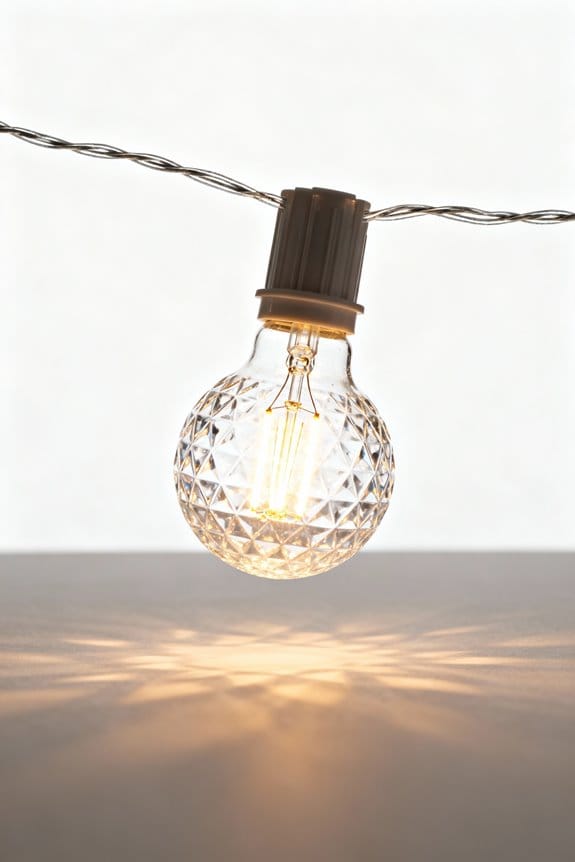
Understanding Lumens Vs Watts in String Light Brightness

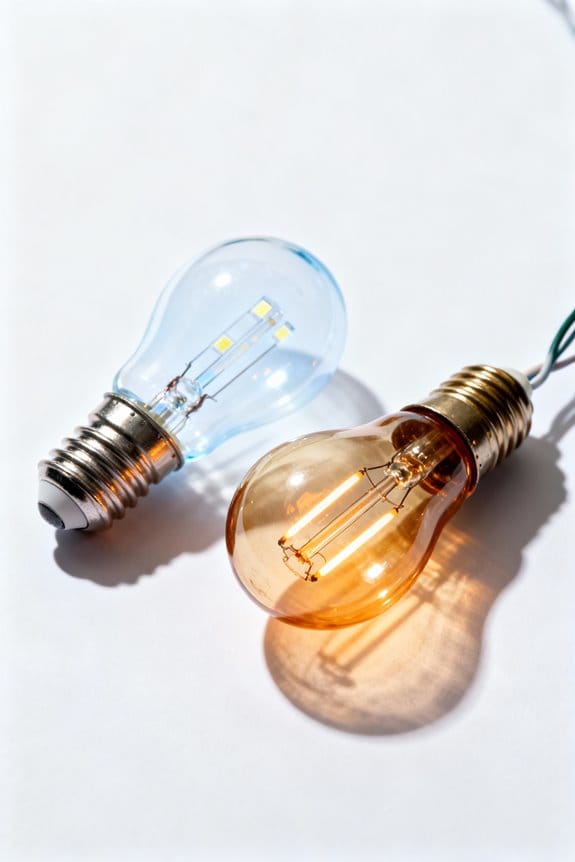
Lumens measure visible light output, directly indicating string light brightness, typically ranging from 100 to 800 lumens per bulb, while watts quantify electrical power consumed, reflecting energy usage rather than illumination. LED string lights achieve approximately 800 lumens using only 8 to 10 watts, vastly outperforming incandescent bulbs that require 60 watts for similar brightness, thanks to higher luminous efficacy. Understanding lumen-to-watt ratios aids in selecting efficient string lights that balance energy costs with desired brightness levels, revealing further nuances in modern lighting technologies.
Key Takeaways
- Watts measure the energy consumption of string lights, not their brightness or light output.
- Lumens indicate the actual brightness a bulb emits, providing a more accurate measure than watts.
- LED string lights produce more lumens per watt, offering bright light at significantly lower energy use.
- A typical 60-watt incandescent bulb emits about 800 lumens, while LEDs achieve the same brightness at 8-10 watts.
- Selecting string lights based on lumens ensures desired brightness, while watts inform about energy efficiency and consumption.
What Are Watts and Their Role in Lighting
Watts serve as a fundamental unit measuring electrical power consumption by light sources, indicating how much energy is used rather than the brightness produced; for instance, a conventional 60-watt incandescent bulb consumes exactly 60 watts of power, reflecting its historical brightness standard. Watts measure the energy consumption of lighting devices, providing an essential metric for evaluating energy efficiency rather than directly indicating brightness. While traditional incandescent bulbs rely on higher wattage to produce light, advancements in LED technology allow bulbs with considerably lower wattage to emit equivalent or greater light levels, reducing overall power consumption. Understanding watts is vital for selecting bulbs that optimize energy usage, ensuring safe operation by preventing overheating, and managing load limits on electrical circuits, thereby enhancing system longevity and performance in residential or commercial lighting setups. Choosing energy-efficient LED strands can significantly reduce power use while maintaining brightness.
How Lumens Define Light Brightness
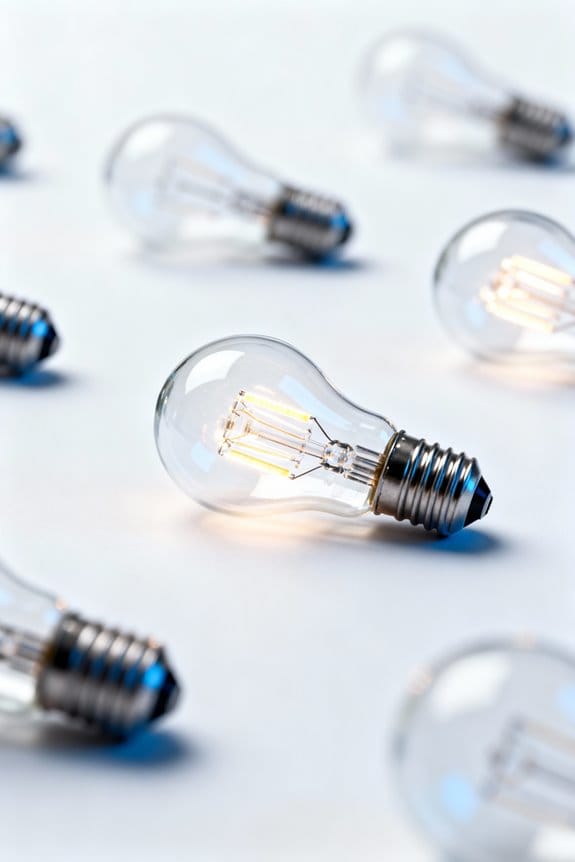
Lumens quantify the total visible light emitted by a source, serving as the primary metric for brightness and enabling precise comparisons between different string lights, which typically produce between 100 and 300 lumens per bulb. This measure reflects the actual light output, independent of the wattage or energy consumed, making lumens a more accurate indicator of illumination efficiency, especially for LED bulbs that provide higher brightness per watt compared to traditional light sources. For outdoor lighting applications, string lights emitting around 400 lumens per bulb offer effective visibility for pathways without excessive glare, whereas values near 800 lumens are ideal for broader illumination. Understanding lumens aids consumers in selecting string lights that meet specific brightness requirements, balancing illumination quality and energy use while avoiding reliance solely on wattage ratings, which indicate power consumption but not actual visible light produced by the light source. Additionally, bulbs with an IP44 rating ensure reliable weather resistance while maintaining consistent brightness outdoors.
Comparing Energy Consumption and Brightness
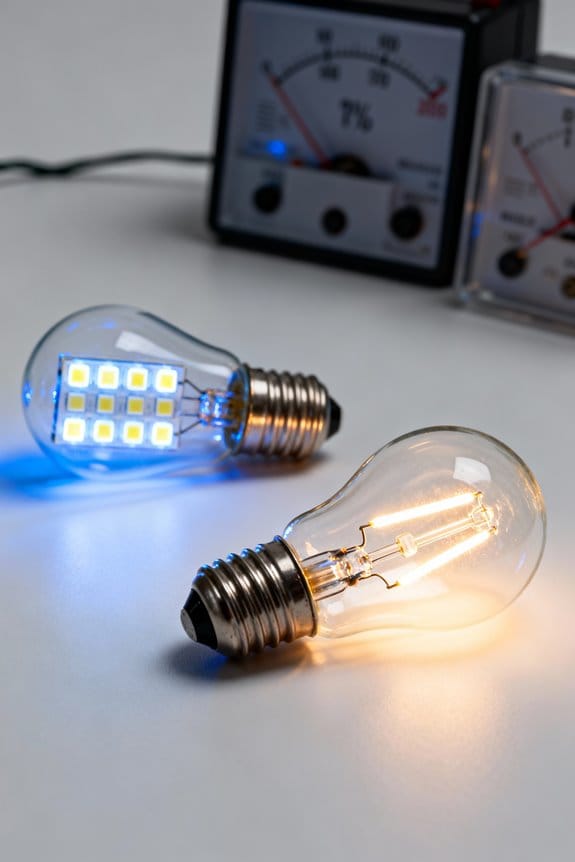
While lumens provide a precise measure of brightness emitted by string lights, evaluating their energy consumption through wattage offers a complementary perspective important for practical usage. Watts measure how much energy light bulbs consume, with incandescent bulbs typically using 60 watts to produce approximately 800 lumens. In contrast, LED string lights can achieve the same brightness with only 8 to 10 watts, illustrating greater efficiency. String lights often emit between 100 and 300 lumens per bulb, enabling choices between ambiance and focused lighting. Selecting LED options with lower wattage results in significant energy savings due to higher lumens per watt ratios compared to incandescent counterparts. Understanding this balance helps consumers measure brightness output alongside energy consumption to optimize outdoor lighting for both visual effect and cost efficiency. Additionally, when expanding lighting setups, it is crucial to consider the transformer wattage limits to avoid overloading the power source and maintain circuit safety.
Recommended Products

Powerful RV and Home Generator with Electric Start: Ideal for home backup power, RVs, outdoor events, and more, this easy-to-use house generator features advanced inverter technology to supply power reliable enough for computers

Protected by Oil Alert - Protects the generator by shutting the engine off when low oil is detected

Powerful Camping, RV, and Home Generator: Ideal for microwaves, refrigerators, hair dryers, small AC units, and more, this house generator features advanced inverter technology to supply power reliable enough for computers
The Impact of LED Technology on Lumens and Watts
Because of advancements in LED technology, the traditional correlation between energy consumption and light output has been fundamentally transformed, enabling bulbs to generate approximately 800 lumens at only 10 watts—a stark contrast to incandescent bulbs, which require 60 watts to achieve the same brightness. LED technology achieves a luminous efficacy ranging from 75 to 110 lumens per watt, substantially surpassing the approximate 15 lumens per watt typical of incandescent bulbs. This significant improvement in lumens per watt reduces power consumption by up to 75%, illustrating why LEDs are considered highly energy-efficient. Consequently, lighting design now emphasizes lumens to quantify brightness rather than watts, allowing consumers to focus on desired light output with better energy management, while also benefiting from longer-lasting, cooler-running string light options that minimize electrical costs without compromising illumination quality. Additionally, selecting the appropriate weatherproof screw hooks can optimize outdoor installation durability and lighting effectiveness in various environments, ensuring stable and safe mounting solutions.
Recommended Products

【GROW TENT COMPLETE SYSTEM INCLUDES】TSL2000 LED grow light, 48"x24"x71" grow tent, 4inch 205 CFM inline fan, Digital Intelligent Controller43(No power adapter, powered directly by the Inline fan), carbon filter,25ft Ducting,6inch clip fan, grow room glasses,elastic trellis netting, 2pcs vent covers,3pcs stainless clamps,4pcs grow bags, pruning shear,2pcs corner shelf,2pcs rope hangers.

DISCUS OUTDOOR CEILING FAN WITH LIGHT: 20 Watt Integrated LED Light Kit

DISCUS OUTDOOR CEILING FAN WITH LIGHT: 20 Watt Integrated LED Light Kit
Choosing the Right String Lights Based on Lumens and Watts
Although energy consumption remains an important factor, the selection of string lights increasingly hinges on lumens, which directly indicate brightness; for example, outdoor string lights emitting around 600 lumens provide sufficient illumination for gatherings, whereas those producing only 200 lumens may appear noticeably dimmer. When choosing string lights, understanding that watts measure energy consumption is key: LED lights offering 75-110 lumens per watt present higher efficiency compared to incandescent options. For outdoor gatherings, selecting lights within 300-600 lumens balances brightness and energy use, while pathway lighting benefits from softer illumination in the 100-300 lumen range. Opting for string lights with lower wattage, such as 5 watts, can deliver comparable brightness due to LED efficiency, reducing electricity costs without sacrificing the desired ambiance or brightness level. Additionally, choosing bulbs that are energy-efficient LED options can reduce electricity costs by up to 90%, making them ideal for extended outdoor use.
Recommended Products
| LIGHTING SPECS | Integrated Energy Efficient 12W LED Strip (50W Incandescent Bulb Equivalent) with 600 Lumen, 120 Volts Driver, 50000+ Hour Lifespan and 160° Beam Angle


Easy-to-Install Lighting – With the flexibility in this rope lighting, you can wrap it around almost anything, creating the shape you desire. If needed, you can purchase items to aid in the DIY installation, including track, clips and weatherproofing kits.
Understanding Lumen-to-Watt Ratios in Modern Lighting
Lumen-to-watt ratios serve as critical indicators of lighting efficiency, describing how many lumens of visible light a fixture emits per watt of electrical power consumed; modern LED technologies, for example, deliver approximately 75 to 110 lumens per watt, in stark contrast to incandescent bulbs that achieve only about 15 lumens per watt, representing a substantial improvement in energy utilization. This ratio highlights the considerable differences in brightness relative to energy consumption between LED and incandescent sources, with a 10-watt LED producing nearly 800 lumens—comparable to the brightness of a 60-watt incandescent bulb. In modern lighting, understanding the lumen-to-watt ratio assists in selecting string lights that optimize brightness while minimizing wattage, promoting higher energy efficiency and lower consumption for long-term, effective illumination in both residential and commercial applications. Additionally, considering UV and weather resistance in lighting fixtures ensures longer-lasting performance in outdoor environments.
Benefits of Low Wattage, High Lumen String Lights
What advantages arise from selecting low wattage, high lumen string lights in residential and commercial settings? These string lights deliver significant brightness—often exceeding 100 lumens per watt in LED options—while consuming minimal energy, thereby reducing energy costs by up to 75% compared to traditional bulbs. A 10-watt LED string light typically produces around 800 lumens, offering effective illumination for outdoor spaces without excessive heat output. The versatility of low wattage, high lumen string lights supports various applications, from enhancing ambiance to providing secure, well-lit environments. With some high-output models generating up to 20,000 lumens, these lights maintain brightness while optimizing energy efficiency, making them ideal for balancing illumination needs and operational cost concerns across diverse settings. Additionally, the energy-efficient LED technology used in these lights contributes to long lifespans, often reaching thousands of hours, enhancing their value and sustainability.
Recommended Products
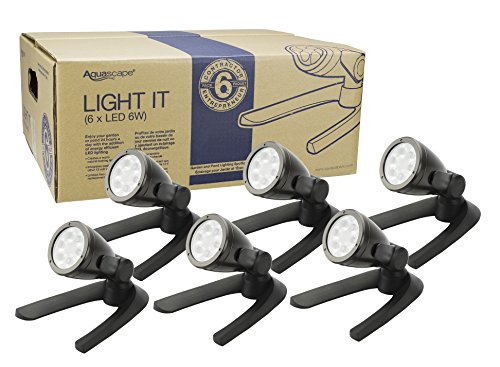
Six-Light Contractor Pack: Includes six Aquascape 6-watt LED spotlights for larger pond, waterfall, garden, and landscape lighting projects requiring multiple fixtures.

Invisiled Pro 1Ft indicator marks every 2 inch for field cutting at the end of a run

MODERN LED CHANDELIER:This large 6 rings chandelier modern gold chandelier crafted with a meticulous blend of form and function, this contemporary chandelier showcases a striking six-ring design. Constructed from premium aluminum, metal, and acrylic, it embodies both durability and aesthetic appeal. The chandelier's energy-efficient LED illumination is harmoniously integrated into its elegant circular framework, creating a captivating focal point for any modern interior
Tips for Efficient and Effective String Light Selection
Selecting string lights with an emphasis on lumen output rather than wattage provides a more accurate measure of brightness, which greatly impacts the effectiveness of outdoor illumination. For instance, a total lumen output of 600 lumens suits general outdoor ambiance, whereas 300 lumens create a cozy setting, and 800 lumens enable task lighting. LED string lights, noted for their energy-efficient performance, deliver higher lumens at lower watts, reducing electricity costs by up to 75% compared to incandescent types. Buyers should evaluate the lumen output on packaging carefully, considering the number and spacing of bulbs, since longer strings with 20 bulbs typically require 400 to 600 lumens to provide sufficient brightness. Matching lumen output to specific lighting needs prevents under- or over-lighting, ensuring both efficiency and visual effectiveness in outdoor spaces. Additionally, using the right battery chemistry enhances the stability and performance of outdoor lighting devices under various environmental conditions.
Recommended Products
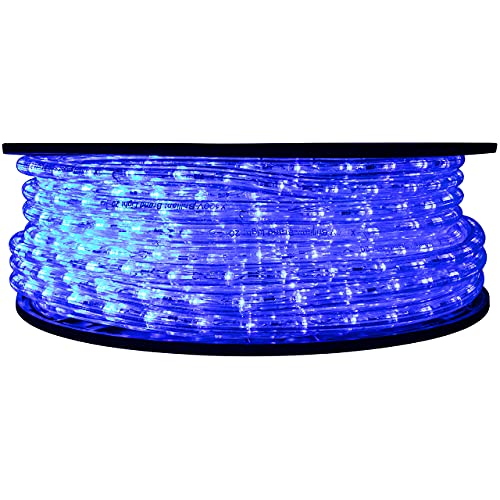
Classic Lights Modernized – The rich blue color in our rope light delivers eye-catching accent lighting for parties or holiday decorations, using safer LED technology versus traditional holiday lights.

Cool White Lighting – With a color temperature of about 5500K with our white rope light, you’ll receive a perfect color for accent lighting.

Versatile Lighting – The advantage of LED rope lighting is the ability to form the flexible lights into any shape or around any object. Additionally, the lighting is both safe and durable.
Frequently Asked Questions
What Determines Brightness, Lumens or Watts?
Brightness is determined by lumens, reflecting light quality and lamp efficiency, while watts indicate energy consumption. Different bulb types and color temperature influence indoor ambiance, outdoor lighting, design styles, dimmable options, and environmental impact considerations.
Is 800 Lumens the Same as 60 Watts?
Although 800 lumens generally corresponds to a 60-watt incandescent, energy efficiency varies by bulb types; LED watt conversion achieves identical lumen output with less power, enhancing illumination levels and light quality in outdoor lighting with warm or cool light options.
How Bright Is 1000 Lumens in Watts?
1000 lumens corresponds to about 75-100 watts in traditional bulbs, but LED efficiency reduces energy consumption to 12-15 watts. This wattage comparison impacts electrical usage, brightness perception, illumination levels, bulb lifespan, and lighting design considerations.
Is 100 Lumens the Same as 100 Watts?
One hundred lumens is not the same as 100 watts; lumens explained clarify brightness scale, while watt comparison shows energy use. LED benefits highlight energy efficiency in string light types, aiding bulb choices for decorative outdoor lighting and installation tips.