As an Amazon Associate, we earn from qualifying purchases. Some links on this site are affiliate links at no extra cost to you. Our recommendations are based on thorough research and editorial judgment.

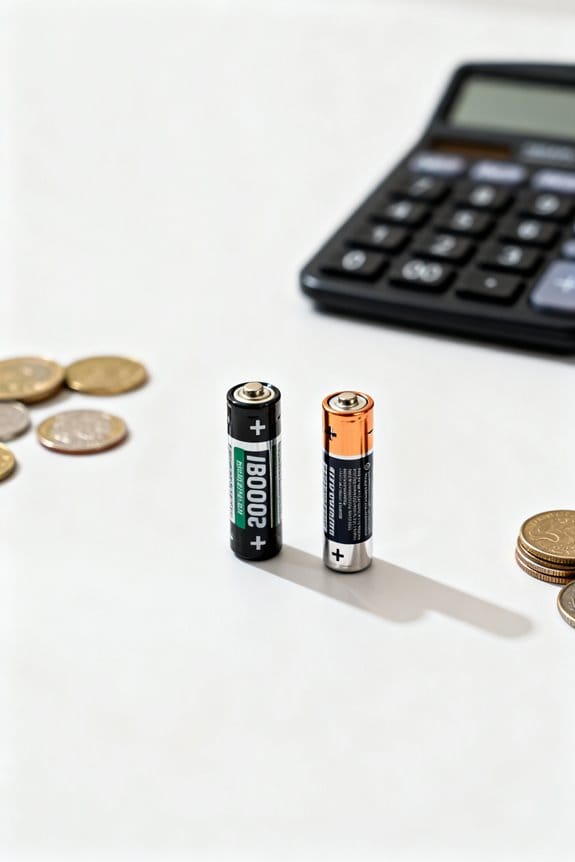
The True Cost Comparison: Disposable Vs Rechargeable Batteries Over Time

Households using around 120 disposable AA batteries annually spend roughly $100 to $120, whereas investing about $149 upfront for 36 rechargeable eneloop batteries and a La Crosse BC-900 charger reduces annual costs to under $1 after two years due to 1,000-cycle longevity, minimal $0.24 electricity expenses, and markedly less waste generation. Rechargeables outperform disposables in environmental footprint, efficacy with high-drain devices, and long-term savings, offering clear benefits warranting detailed economic and ecological examination.
Key Takeaways
- Disposable AA batteries cost about $77.70 annually, while rechargeable batteries require a $148.74 initial investment covering charger and batteries.
- Rechargeable batteries save over $70 in the second year and nearly $100 annually afterward due to their 1,000 recharge cycle lifespan.
- Rechargeables incur minimal annual electricity costs (~$0.24), drastically reducing per-use expenses compared to continuous disposable purchases.
- Environmental impact is 28 times lower with rechargeables after 50 cycles, significantly reducing landfill waste and resource consumption.
- Rechargeables are cost-effective long-term, especially for high-drain devices, whereas disposables remain preferable for emergency storage due to shelf life.
Cost Overview of Disposable Batteries
The cost of disposable AA batteries for an average household, which uses roughly 120 units annually, typically ranges between $100 and $120, depending on brand and purchase frequency, such as buying in bulk or individually. Disposable batteries contribute notably to annual expenditure, largely due to their short lifespan that necessitates regular replacements throughout the year. Beyond the sticker price, hidden costs—including packaging and transportation expenses—further increase the financial burden associated with these batteries. For example, purchasing a 12-pack of e2 Titanium batteries at $7.77 results in $77.70 annually, reinforcing the cumulative cost pressures. While initially economical on a per-unit basis, disposable batteries prove less cost-effective over time compared to rechargeable alternatives, given the ongoing need for purchases and ancillary expenses linked to their single-use design. Additionally, their shelf life of 5-10 years means many disposables may expire before use, which can lead to further waste and cost inefficiency.
Initial Investment in Rechargeable Batteries
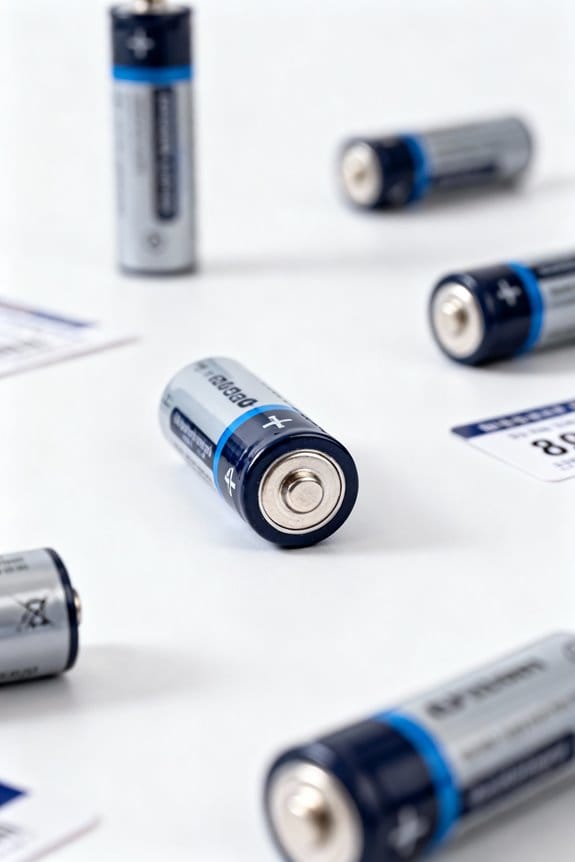
Although the upfront expenditure for a rechargeable battery system—comprising a charger like the La Crosse BC-900 priced at approximately $47.94 and a set of 36 high-quality GE/SANYO eneloop batteries costing around $100.80—sums to about $148.74, this initial cost considerably exceeds the $77.70 annual spend on 120 disposable batteries. The initial investment required for rechargeable batteries involves a notable upfront cost for both the battery charger and the larger quantity of chargers to meet household demand. Despite this, rechargeable batteries offer cumulative savings by reducing long-term costs, as each battery can be reused hundreds of times, contrasting the recurring expense of disposable batteries. While the battery charger is essential for operation, the shift to rechargeable batteries also delivers environmental benefits, making the higher initial investment justified through cost comparison and sustainability over time. Moreover, these NiMH batteries provide superior longevity with an average cycle life of 1200-1500+ cycles, significantly enhancing cost-effectiveness.
Annual Cost Analysis of Battery Usage
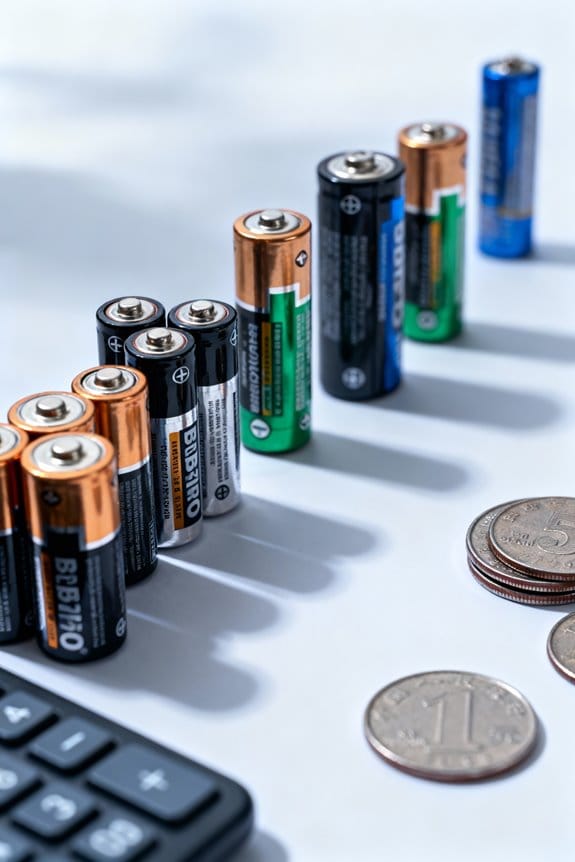
When comparing annual expenditures, households using approximately 120 non-rechargeable AA batteries incur costs totaling around $77.70, based on e2 Titanium batteries priced at $7.77 per twelve-pack, whereas rechargeable systems demand an upfront charge near $148.74 for a full set of 36 GE/SANYO eneloop NiMH batteries and a La Crosse BC-900 charger. The annual cost of maintaining rechargeable batteries is significantly low, estimated at $0.24 for electricity, contrasting with the recurring purchase cost of disposable batteries. Despite the higher initial investment, rechargeable batteries offer reduced environmental impact and begin generating cost savings after the second year, as cumulative disposable expenses approach $155.40 compared to $149.22 for rechargeables. This analysis highlights the significance of considering both upfront and maintenance costs when evaluating batteries for regular household use. Furthermore, choosing batteries with higher cycle life can extend these savings and improve overall battery longevity.
Long-Term Savings With Rechargeable Options
Since rechargeable batteries can endure up to 1,000 charge cycles, the cumulative cost savings become apparent as households shift from disposable alternatives, which require monthly replacement and result in annual expenses near $77.70 for 120 AA units; by recouping the initial investment of approximately $148.74 for a full set of 36 NiMH eneloop batteries and an advanced La Crosse BC-900 charger after only six to eight recharges, users reduce operational costs to mere pennies per use, ultimately saving over $70 in the second year alone and nearly $100 annually thereafter, thereby demonstrating a notable financial advantage supported by empirical cost comparisons and lifespan data. This change also reduces environmental waste and frequency of battery changes, illustrating long-term savings that greatly offset upfront cost and lower total cost of ownership compared to disposable AA batteries. Additionally, the low self-discharge technology of NiMH batteries ensures they retain up to 85% charge over time, enhancing their reliability for everyday use.
Performance Differences by Device Type
While different devices demand varying power characteristics, high-drain electronics such as digital cameras and gaming controllers exhibit markedly improved performance with modern rechargeable batteries like NiMH and lithium-ion due to their consistent voltage output within 1.2 to 1.5 volts and superior current delivery capacity, often exceeding 2,000 mAh, compared to disposable alkaline batteries that typically supply a nominal 1.5 volts but experience rapid voltage decline under load. Low-drain devices, including remote controls and clocks, demonstrate comparable functionality with disposable alkaline batteries or Low Self-Discharge (LSD) rechargeable batteries, which offer enhanced capacity retention over time. Although rechargeable batteries feature a higher upfront cost and can endure up to 1,000 recharge cycles, their performance differences become device-dependent, as battery technology influences longevity and efficiency across varying power demands. Professionals often rely on battery testers to accurately evaluate rechargeable battery health and performance over time, ensuring optimal device functionality and cost-effectiveness.
Environmental Impact of Battery Choices
Although disposable batteries remain widely available, their environmental consequences are significant; annually, approximately 4 billion units are shipped to the United States alone, contributing considerable waste and contaminating ecosystems with hazardous substances when improperly discarded. Rechargeable batteries offer notable environmental advantages, producing up to 28 times less impact on global warming after just 50 charge cycles, which in turn reduces the life cycle footprint compared to disposables. Their design often incorporates recycled materials, with some containing over 10% post-consumer content, further supporting waste reduction efforts. Proper disposal and recycling are critical for both types, as many disposable batteries contain harmful components jeopardizing ecosystems if discarded carelessly. Switching to rechargeable batteries can prevent using hundreds to thousands of disposable units per household annually, emphasizing their role in sustainable consumption and long-term environmental impact mitigation. Brands like Energizer Power Plus contribute to sustainable practices by using 22% recycled materials in their battery production.
Maintenance and Replacement Expenses
When evaluating maintenance and replacement expenses, rechargeable batteries demonstrate a clear economic advantage over disposable counterparts, as recharging 120 units consumes merely $0.24 of electricity annually, whereas replacing disposables incurs a recurring expenditure of approximately $77.70 per year. While the initial investment for rechargeable batteries, around $148.74 for a starter kit, surpasses that of disposable batteries, their extended lifespan—capable of up to 1,000 recharge cycles—dramatically reduces the need to replace units frequently. Proper maintenance, including recharging before depletion reaches 20%, is essential to maximizing lifespan and minimizing future costs. Over time, the total cost of ownership shifts in favor of rechargeable batteries, which become more economical after roughly two years, reflecting lower maintenance and annual replacements and enhanced sustainability compared to single-use disposable batteries. Choosing batteries with low self-discharge characteristics further enhances their cost-effectiveness and convenience by retaining charge longer during periods of storage.
Safety Considerations in Battery Use
Because improper handling and incompatible charging methods can cause overheating, swelling, or even leakage, it is critical to use chargers specifically designed for rechargeable batteries, which often incorporate advanced safety features such as overcharge protection and thermal regulation; studies have shown that high-quality nickel-metal hydride (NiMH) batteries maintain stable voltages between 1.2 and 1.4 volts over hundreds of cycles, reducing the risk of device damage compared to alkaline disposables that sometimes exhibit voltage spikes leading to premature circuit wear. Safety considerations in battery use emphasize careful handling and strict adherence to manufacturer guidelines, particularly for charging protocols, to prevent operational issues such as leaks and damage. The mixing of rechargeable and disposable batteries in devices can cause inefficiencies and accelerate depletion, further increasing safety risks due to overheating and unexpected failures. Additionally, modern chargers typically include auto shut-off features to prevent overcharging and ensure battery longevity.
Technological Advances Affecting Battery Costs
Three pivotal technological strides have markedly influenced the cost structure of rechargeable batteries, positioning them as increasingly economical compared to their disposable counterparts. Advances in lithium-ion battery chemistry have enhanced high energy density, enabling rechargeable technology to power power-hungry devices more efficiently while mitigating issues such as battery leakage common in disposable cells. Concurrent reductions in manufacturing costs, driven by the adoption of recycled materials and innovations like solid-state batteries, further lower the cost of rechargeable options. Additionally, improved charging technologies reduce energy waste and charging times, encouraging consumer adoption and reducing long-term environmental impact. Regulatory pressures on disposable battery production increase their market cost, strengthening the economic case for using rechargeable batteries. Collectively, these technological advancements signify a significant shift in both the financial and environmental landscape of personal power storage solutions. Furthermore, developments in thermal management have enhanced safety and durability, ensuring longer cycle life and reduced risks during battery usage.
Practical Recommendations for Battery Selection
Although the initial expenditure for a rechargeable battery starter kit, priced around $20, is higher than the roughly $7.77 cost of a 12-pack of disposable batteries, the long-term financial advantage becomes evident after approximately six recharge cycles, as rechargeable batteries reduce annual battery expenses by about $77.44; this cost-efficiency is further supported by a per-unit lifespan cost near $4.13, making them particularly suitable for devices with frequent usage. Practical recommendations suggest employing rechargeable batteries primarily in high-drain devices, such as gaming controllers, where performance and rechargeability yield substantial savings. Conversely, disposable batteries remain advantageous for emergency preparedness due to their superior shelf life. A balanced investment strategy involves utilizing rechargeable batteries for daily operations while retaining disposable batteries for occasional, low-use or emergency scenarios, optimizing both cost per use and reliability. Additionally, considering the environmental impact of battery waste and lifecycle costs further supports the preference for rechargeable batteries in regular use.
Economic Benefits Beyond Simple Purchase Price
Beyond the initial purchase price, the economic advantages of rechargeable batteries manifest clearly through long-term cost efficiency and operational savings, particularly when assessed over multiple recharge cycles and extended usage periods. The initial investment for AA rechargeable batteries, typically around $100 including a charger, contrasts with the recurring annual expense of $77.70 for disposable batteries, emphasizing considerable long-term savings. Rechargeables offer a cost per use of only a few cents after approximately six recharge cycles, reducing operating costs markedly. Healthcare facilities benefit remarkably, saving over $70 in the second year alone by switching to rechargeables due to their low annual charging cost of just $0.24. By the end of year two, rechargeable batteries provide a $6.18 cost advantage with continued annual savings of $77.44 compared to disposables.
Frequently Asked Questions
How Do Battery Disposal Regulations Vary by Region?
Battery regulations exhibit regional differences in disposal methods, influenced by legislation overview, hazardous materials handling, and waste management standards. Recycling programs and consumer awareness vary, shaping environmental impact and adherence to effective battery regulations across regions.
Can Rechargeable Batteries Hold Charge During Long Storage?
Rechargeable batteries can hold charge during long storage, but their long term performance depends on chemical composition, self discharge rates, storage conditions, ideal temperature, and battery maintenance. Usage frequency and storage duration also influence charge retention.
Do Rechargeable Batteries Work in All Types of Devices?
Rechargeable battery compatibility varies across devices, influencing performance differences and longevity in electronics. Voltage differences explained and charging requirements comparison highlight manufacturer recommendations, cycling frequency impact, battery brands comparison, and hybrid device usage for ideal functionality.
What Environmental Hazards Exist in Battery Manufacturing?
Battery production impact involves toxic materials used, resource depletion concerns, greenhouse gas emissions, and water pollution risks. Worker safety issues and recycling challenges faced increase the ecological footprint, prompting ecological footprint analysis and exploration of alternative energy solutions.
How Do Temperature Extremes Affect Battery Lifespan?
Temperature effects cause battery degradation, with extreme conditions triggering lifespan reduction. Cold temperatures slow chemical reactions, while heat impact accelerates aging. Performance variation occurs across usage scenarios, often mitigated by insulation methods to preserve battery longevity.