As an Amazon Associate, we earn from qualifying purchases. Some links on this site are affiliate links at no extra cost to you. Our recommendations are based on thorough research and editorial judgment.

The Science of Self-Discharge in Rechargeable Batteries

Rechargeable batteries self-discharge due to spontaneous electrochemical reactions, with rates varying by chemistry—lithium-ion batteries lose about 1-2% capacity monthly, potentially doubling every 10°C increase, while lead-acid types can lose 4-8%, and nickel-metal hydride exceed 30%. Storage at moderate temperatures (15–25°C) and partial charge levels (40-60%) reduces energy loss. Accurate measurement through float current monitoring and open circuit potential tracking informs maintenance to prevent irreversible damage, preserving battery longevity and performance. Further insights reveal critical operational factors and mitigation strategies.
Key Takeaways
- Self-discharge in rechargeable batteries results from spontaneous internal electrochemical reactions, primarily influenced by temperature and electrode interface chemistry.
- Lithium-ion batteries have low self-discharge rates of 1-2% per month, which double with every 10°C temperature increase.
- Battery chemistry affects self-discharge: NiMH shows high rates (~30% monthly), while Li-ion and AGM lead-acid batteries have much lower rates.
- Proper storage with partial charges (40-60% for Li-ion) in cool, dry environments (15-25°C) minimizes self-discharge and prolongs battery life.
- Regular monitoring and smart charging systems help prevent over-discharge, ensuring battery health and preventing irreversible damage.
Fundamentals of Battery Self-Discharge
Although rechargeable batteries are designed to store and deliver electrical energy efficiently, they inherently experience a phenomenon known as self-discharge, which is caused by internal chemical reactions that steadily reduce stored charge even when the battery is not in active use. In lithium-ion batteries, self-discharge rates approximate 1-2% per month, a relatively low figure that contributes positively to overall battery life and performance. However, temperature greatly affects self-discharge, often doubling the rate with every 10°C increase, thereby accelerating the loss of stored energy and diminishing battery efficiency. Maintaining a charge level between 40-60% during storage within cool, dry environments is recommended to slow chemical activity. Regular monitoring is essential to prevent over-discharge, ensuring rechargeable batteries retain ideal performance and longevity over time. For outdoor applications, it’s also crucial to consider using sockets rated IP65 or higher to protect devices from adverse weather conditions, thereby enhancing battery performance and lifespan.
Variations in Self-Discharge Across Battery Chemistries

Self-discharge rates differ markedly among various rechargeable battery chemistries, reflecting distinct internal electrochemical mechanisms and construction characteristics. Lithium-ion battery types exhibit a low self-discharge rate of approximately 1-2% per month, enabling efficient charge retention and minimal energy loss during storage. Lead-acid batteries demonstrate greater variation, with sealed AGM and Gel types losing around 4% monthly, whereas flooded lead-acid batteries may experience up to 8% loss. Nickel-metal hydride batteries show considerably higher self-discharge rates, averaging over 30% per month, limiting their effectiveness for long-term storage. Temperature and state of charge also influence these rates, with higher states of charge typically accelerating self-discharge. Consequently, tailored storage practices are essential to minimize energy loss, as ideal conditions vary depending on battery type and state of charge. Additionally, opt for smart chargers that feature independent channels and safety features to enhance the recharging process and extend battery life.
Recommended Products
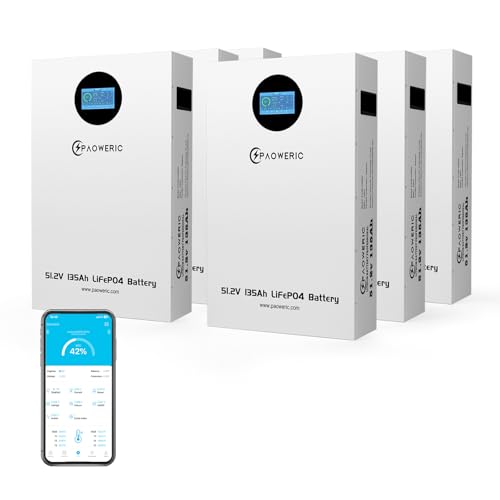
【Grade A Prismatic Cells]】The PAOWERIC 51.2V 135Ah wall-mounted lithium-ion battery is meticulously crafted using 16 state-of-the-art Grade A+ prismatic cells. Compared to the cylindrical cells commonly used in the industry, it is lighter, safer, and more energy-efficient, redefining the quality standards for energy storage batteries. The cells have undergone rigorous testing across all scenarios and deliver a stable output of 5.12 kWh of high-capacity energy. They are perfectly suited for home energy storage, solar systems, backup power, and other applications, meeting long-term, continuous power supply needs while significantly reducing long-term operating costs.

🌞【48V 314Ah LiFePo4 Battery】Connecting 16S1P 3.2V 314Ah A-grade batteries in series increases the maximum power to 7680W, and the maximum discharge current is 150A, that is, when the maximum output power is 7680W, the recommended charging current is 100A. Built-in 150A BMS, with RS485, RS232, CAN interface. Uses Grade A cells, with high safety, 6000+ cycles life, large current charge and discharge capability, high temperature resistance and small size, Increased to 15 years lifetime.

🌞【48V 314Ah LiFePo4 Battery】Connecting 16S1P 3.2V 314Ah A-grade batteries in series increases the maximum power to 7680W, and the maximum discharge current is 150A, that is, when the maximum output power is 7680W, the recommended charging current is 100A. Built-in 150A BMS, with RS485, RS232, CAN interface. Uses Grade A cells, with high safety, 6000+ cycles life, large current charge and discharge capability, high temperature resistance and small size, Increased to 15 years lifetime.
Internal Chemical Mechanisms Contributing to Self-Discharge
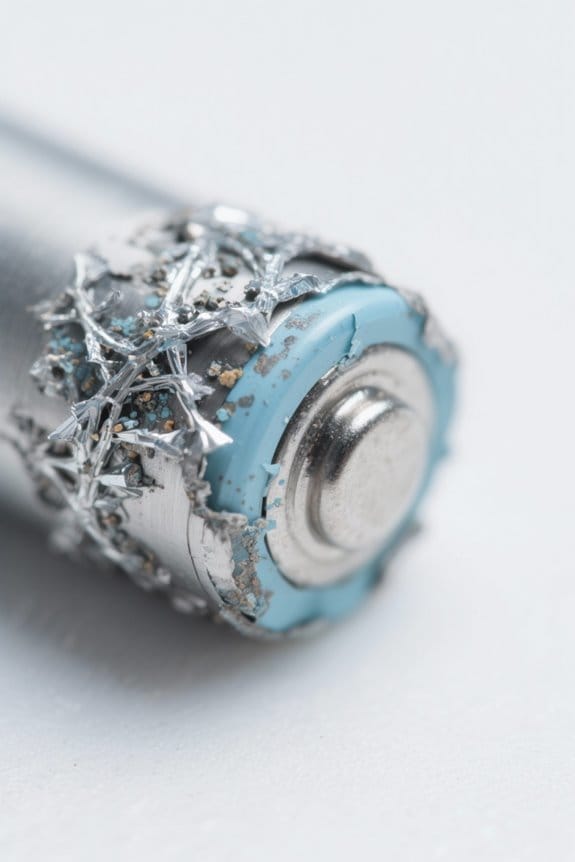
Internal chemical reactions within rechargeable batteries, driven by spontaneous electrochemical processes at electrode interfaces, play a critical role in the gradual loss of stored energy known as self-discharge. These reactions include side electrochemical reactions that consume charge even when the battery is idle. Impurities and defects present in electrode materials serve as catalysts, increasing self-discharge rates by promoting unwanted internal chemical reactions. Additionally, the electrolyte can undergo degradation, especially in the presence of elevated humidity levels, where moisture induces electrolyte electrolysis, causing shorts and further energy loss. Temperature notably affects these internal processes; increased reaction kinetics at higher temperatures double self-discharge rates approximately every 10°C. For example, in lithium-ion cells, self-discharge can reach 1-2% monthly under nominal conditions, escalating with temperature and internal contamination, necessitating careful material purity and electrolyte stability controls. Environmental considerations are crucial as they influence battery safety and the potential for leakage, impacting both device longevity and ecological footprint.
Environmental and Operational Factors Affecting Self-Discharge
Beyond the chemical reactions occurring within electrodes and electrolytes, external and usage-related factors greatly influence the rate at which rechargeable batteries lose charge over time. Self-discharge accelerates greatly with higher temperatures; for every 10°C increase, the rate can double, highlighting the necessity of temperature control during battery storage and usage. Environmental conditions such as humidity degrade electrolytes, increasing internal resistance and further driving energy loss. Maintaining the state of charge between 30% and 80% reduces self-discharge and extends battery lifespan, as higher charge states provoke faster degradation. Particularly for lithium batteries, storing at full charge or elevated temperatures exacerbates self-discharge, which typically ranges between 1-2% monthly under ideal conditions. Regular monitoring combined with cool, dry storage environments is critical to minimizing self-discharge and preserving overall battery performance. Selecting batteries with low self-discharge characteristics, such as certain rechargeable AAA NiMH cells, can also enhance performance and longevity.
Self-Discharge Behavior in Lithium-Ion Batteries
Although lithium-ion batteries generally demonstrate lower self-discharge rates compared to other rechargeable chemistries, their charge loss can still amount to 1-3% per month under ideal conditions, leading to cumulative depletion over extended storage periods; notably, a fully charged cell may experience 5-10% charge reduction within the first month alone due to inherent electrochemical processes. Self-discharge in lithium-ion batteries is influenced by internal factors such as electrode stability and electrolyte composition, while temperature plays a critical role, with rates nearly doubling for every 10°C increase. Storing these batteries at a partial charge of approximately 40-50% is recommended to minimize self-discharge and extend lifespan. Monitoring the state of charge is essential, since discharging below 2.5 volts per cell may induce sleep mode, complicating charge recovery and potentially reducing battery performance over time. For rechargeable NiMH batteries, the storage and maintenance tips include storing them in cool, dry locations and using appropriate chargers to maximize their lifespan and performance.
Recommended Products
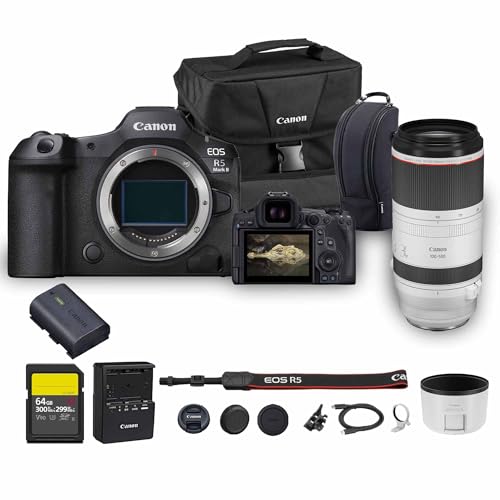
Canon USA Authorized. Items Include: Canon EOS R5 Mark II Mirrorless Camera | 45MP Full Frame Sensor 8K Video Recording, Canon RF 100-500mm f/4.5-7.1L IS USM Lens, 64GB SF-G TOUGH Series UHS-II SDXC Memory Card, Canon EOS 200ES Shoulder Bag

This Canon Camera Bundle comes with a 1-Year Canon Manufacturer Warranty.

Battery resistance, dc and ac voltage, dc and ac current, ripple voltage, frequency and battery temperature
Comparative Analysis of Lead-Acid and Nickel-Based Battery Self-Discharge
When comparing self-discharge rates, lead-acid batteries typically lose approximately 5% of their charge per month at room temperature, whereas nickel-based batteries, including nickel-cadmium (NiCd) and nickel-metal hydride (NiMH), can experience a markedly higher initial depletion of 10-15% within the first day of inactivity, followed by continued losses of 10-15% monthly. High temperatures accelerate self-discharge in both battery types, often doubling charge loss rates, thereby necessitating controlled storage environments. Lead-acid batteries exhibit poorer shelf life retention due to sulfation risks when stored below a 60% state-of-charge (SoC), while nickel-based batteries face capacity reductions linked to the memory effect alongside their higher self-discharge. This comparative analysis reveals that, despite nickel-based batteries’ higher initial self-discharge, their overall shelf life can outperform lead-acid designs if properly maintained, underscoring the trade-offs between these technologies. When selecting batteries for industrial use, it is important to consider safety compliance standards such as RoHS and IEC 62133 to ensure reliability and safety.
Recommended Products

【Top-Flight Performance 】The 51.2V 100Ah liFePO4 battery is manufactured by 16Pcs Automotive Grade A grade prismatic cells with higher energy density, more stable performance & greater power. And has a compact 5.12kWh energy, which is equivalent to 4pcs 12V 100Ah LiFePO4 batteries in 4S (or even 8pcs 12V 100Ah AGM batteries in 8S).

【Top-Flight Performance 】The 51.2V 100Ah liFePO4 battery is manufactured by 16Pcs Automotive Grade A grade prismatic cells with higher energy density, more stable performance & greater power. And has a compact 5.12kWh energy, which is equivalent to 4pcs 12V 100Ah LiFePO4 batteries in 4S (or even 8pcs 12V 100Ah AGM batteries in 8S).
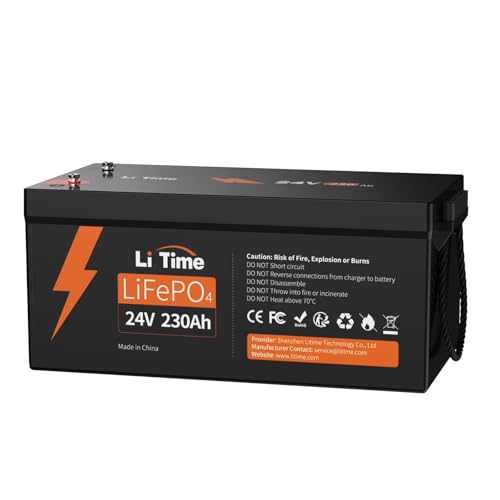
High Capacity & Energy: 230Ah capacity and 5888Wh energy provide extended power for solar, RVs, boats, and off-grid use. Enjoy longer runtime and reliable energy in a compact design.
Impact of Self-Discharge on Battery Performance and Longevity
The phenomenon of self-discharge directly influences both the operational efficiency and lifespan of rechargeable batteries, as evidenced by lithium-ion cells, which typically lose about 1-2% of their charge per month under standard conditions, contrasting sharply with nickel-metal hydride (NiMH) batteries that can exceed 30% monthly loss, thereby inherently limiting their suitability for long-term storage. Self-discharge rates increase notably with temperature, approximately doubling for every 10°C rise, which accelerates capacity loss and raises operational costs due to more frequent recharging. Maintaining lithium-ion batteries at an ideal charge level of 40-50% during storage mitigates self-discharge effects, extending battery lifespan and improving battery performance. Failure to monitor self-discharge risks over-discharge below 2.50V, leading to irreversible damage, emphasizing its critical impact on long-term storage and overall reliability. Additionally, low self-discharge NiMH batteries can retain 80-85% of their charge after 2-3 years, making them a more reliable option for devices that sit idle for extended periods.
Techniques for Measuring and Analyzing Self-Discharge Rates
Accurate measurement of self-discharge rates is critical for evaluating battery health, with methods such as float current measurements applying a small, constant current to offset the natural charge loss, typically yielding precise energy retention values over extended periods. Additional assessment techniques include open circuit potential measurements, which monitor voltage trends reflecting self-discharge behavior across multiple battery chemistries. Quantifying self-discharge often involves calculating percentage capacity loss after specific storage periods under controlled conditions, informing the impact of storage conditions on energy loss. Advanced computerized testing further enables detailed analysis of rate variations among battery types, identifying ideal storage parameters. For high-power devices like supercapacitors, specialized assessment techniques address their unique self-discharge mechanisms, underscoring the importance of tailored measuring approaches for thorough battery self-discharge evaluation and capacity loss characterization. High-capacity alkaline AA batteries from Duracell or Energizer are recommended for high-drain toys, ensuring long-lasting power to keep devices running efficiently.
Practical Approaches to Minimize Self-Discharge in Battery Packs
Several practical strategies exist to minimize self-discharge in battery packs, focusing on temperature control, charge level management, and maintenance routines, all backed by empirical data demonstrating their effectiveness. For lithium batteries, storing them in cool, dry environments between 15-25°C reduces self-discharge, which doubles with every 10°C temperature increase. Maintaining a partial charge of 40-50% during storage limits losses, as fully charged lithium batteries can lose 5-10% charge in the first month. Lead-acid batteries require periodic recharging to above 60% state-of-charge to counteract their 4-8% monthly self-discharge rate. Effective battery packs incorporate monitoring systems for continuous tracking of temperatures and charge, ensuring voltages remain above 2.5V, therefore preventing irreversible damage and enhancing overall performance longevity. Many rechargeable batteries are constructed using 22% recycled materials, which promotes sustainability and reduces waste.
Recommended Products

Version Update Notice: The former 48V 314Ah V1 is now upgraded to Powermega 48V 314Ah, featuring newly added Active Cell Balancing and Integrated Aerosol Fire Protection for higher safety and longer service life. It also comes with an extended 10-year warranty, while maintaining full compatibility with V1 units for parallel expansion

System Components:Delivers up to 10kW power output with 120V/240V single-phase split-phase support, making it suitable for smoothly running common household appliances. The system includes 8× 590W solar panels with a total PV capacity of 4,720W, capable of generating up to 19.68 kWh per day under optimal conditions, along with one 48V 314Ah portable LiFePO₄ battery offering 16.1 kWh of energy storage. Complete with necessary cables, this all-in-one solar solution is designed for convenient setup and reliable home power support.

Whole-Home Off-Grid Power: Still worried about power outages or unstable electricity? This system includes six 51.2V 100Ah LiFePO4 batteries and one 10000W MPPT hybrid inverter. It can support high-power appliances such as refrigerators and air conditioners, enabling stable whole-home power supply. It meets the needs of off-grid living and backup power, providing a reliable solution for energy independence.
Frequently Asked Questions
How Does Self-Discharge Affect Battery Recycling Processes?
Like Icarus’ fall, self-discharge effects diminish recycling efficiency by increasing energy loss and complicating material recovery. This challenges sustainability practices, shaping industry standards and lifecycle assessment, ultimately influencing environmental impact and the future of battery recycling.
Can Self-Discharge Rates Indicate Battery Safety Issues?
Self-discharge causes voltage fluctuations, serving as safety indicators. Analyzing these rates, alongside chemistry analysis and environmental factors, aids battery design improvements and lifespan assessment, enhancing performance metrics to preempt potential safety issues effectively.
What Role Do Battery Management Systems Play in Self-Discharge Control?
Battery management systems regulate voltage and thermal management to optimize battery health, monitor charge cycles and usage patterns, enhancing performance metrics, energy efficiency, and lifespan extension while minimizing self-discharge effects for overall improved battery reliability.
Are There Emerging Materials Reducing Self-Discharge Beyond Current Chemistries?
Revolutionary breakthroughs in solid-state electrolytes and lithium sulfur advancements slash self-discharge dramatically. Nanostructured anodes, advanced cathode materials, polymer-based batteries, metal-air innovations, and bio-inspired chemistries with self-healing mechanisms further propel ultra-efficient storage.
How Does Self-Discharge Impact Wireless Sensor Network Reliability?
Self-discharge reduces battery lifespan and energy efficiency, compromising sensor performance and device longevity. This challenges power management, leading to unstable network stability, interrupted data transmission, and increased maintenance costs in wireless sensor networks.