As an Amazon Associate, we earn from qualifying purchases. Some links on this site are affiliate links at no extra cost to you. Our recommendations are based on thorough research and editorial judgment.

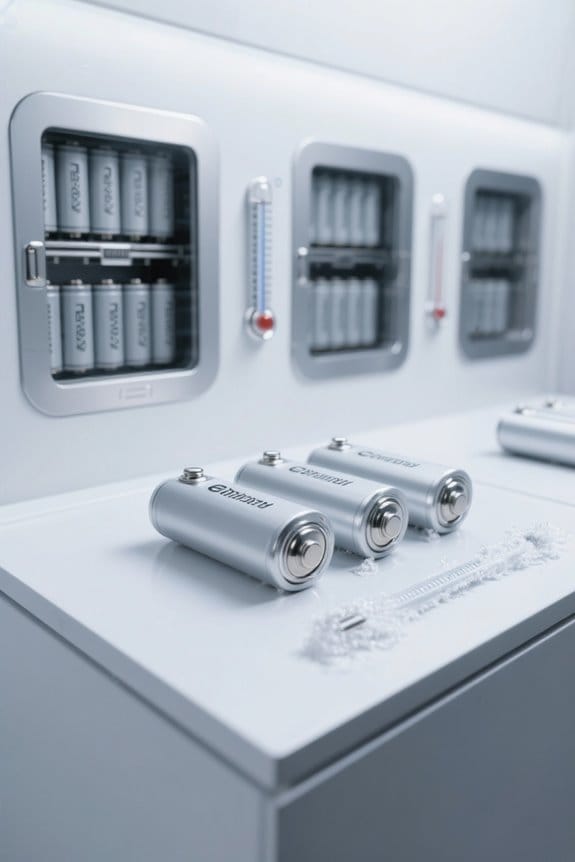
The Impact of Storage Temperature on Battery Shelf Life

Storage temperature greatly influences battery shelf life; lithium-ion cells stored between 0°C and 25°C experience ideal longevity, while every 10°C rise above 25°C doubles chemical degradation and self-discharge rates, drastically reducing performance. Conversely, exposure to -20°C can cause about a 20% loss in charge capacity due to inactive lithium formation, impairing cycle life irreversibly. Maintaining a 40-60% charge during storage further preserves capacity, with temperature monitoring and management playing critical roles in extending usability. Additional insights explain these impacts in detail.
Key Takeaways
- Battery shelf life significantly decreases at temperatures above 25°C, with degradation rates doubling every 10°C increase.
- Storing lithium-ion batteries below -20°C causes irreversible capacity loss due to dead lithium formation.
- Optimal battery storage temperature ranges from 0°C to 25°C to minimize chemical degradation and self-discharge.
- Maintaining lithium-ion batteries at 40-60% charge during storage slows capacity decline and improves longevity.
- Extreme temperatures accelerate internal resistance and corrosion, reducing battery efficiency and cycle life.
Understanding Battery Shelf Life
Although many factors influence battery longevity, storage temperature remains a primary determinant of shelf life, as batteries stored between 0°C and 25°C (32°F to 77°F) are more likely to retain peak performance and capacity over extended periods. Under these optimum conditions, chemical degradation and self-discharge rates slow considerably, preserving capacity retention and minimizing performance impact. Environmental factors such as humidity and direct sunlight exposure further influence degradation, demanding adherence to manufacturer guidelines for best results. Rechargeable batteries, in particular, benefit from maintaining a 40-60% charge during storage to prevent deep self-discharge and capacity loss. Testing data consistently show that batteries stored outside these parameters experience accelerated aging, underscoring the critical role of controlled storage temperature in extending battery shelf life and maintaining reliable performance. High-quality ABS plastic provides excellent durability and resilience, and is used in many battery holders to enhance safety and longevity.
Effects of High Storage Temperatures on Batteries
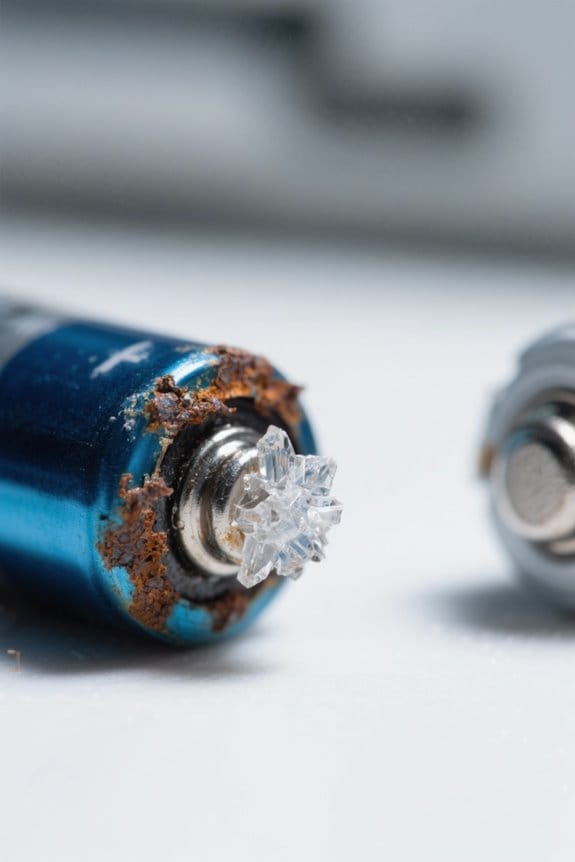
Three key temperature thresholds critically influence battery degradation, with storage temperatures above 25°C markedly accelerating chemical reactions and corrosion rates, effectively doubling the degradation pace for every 10°C increase, as demonstrated in controlled laboratory aging tests. Lithium-ion batteries subjected to high temperatures experience accelerated aging, which can reduce shelf life by up to 50% compared to storage at 20°C, while increased self-discharge rates further contribute to capacity loss. Extreme temperatures may induce gas generation and internal pressure buildup, raising risks of leakage or catastrophic failure. Ideal operating temperatures for storage typically range between 0°C and 25°C, as recommended by established storage practices, to mitigate degradation effects. Consequently, maintaining batteries away from high temperatures is crucial to preserve their capacity, extend shelf life, and guarantee reliable performance over time. For optimal battery storage, it is advisable to use alkaline or lithium cells with verified long-term shelf life and store them in cool, dry places, as these conditions help maintain their integrity over time.
Recommended Products

System Components:Delivers up to 10kW power output with 120V/240V single-phase split-phase support, making it suitable for smoothly running common household appliances. The system includes 18 × 590W solar panels with a total PV capacity of 10620W, capable of generating up to 39.36 kWh per day under optimal conditions, along with two 48V 314Ah portable LiFePO₄ battery offering 32.2 kWh of energy storage. Complete with necessary cables, this all-in-one solar solution is designed for convenient setup and reliable home power support.

Version Update Notice: The former 48V 314Ah V1 is now upgraded to Powermega 48V 314Ah, featuring newly added Active Cell Balancing and Integrated Aerosol Fire Protection for higher safety and longer service life. It also comes with an extended 10-year warranty, while maintaining full compatibility with V1 units for parallel expansion

【Elite 314Ah Capacity Upgrade】 Stop settling for smaller cells. The DATOUBOSS 314Ah LiFePO4 battery delivers triple the energy of standard 100Ah units. With 64 kWh of total energy, this kit is the perfect foundation for high-performance DIY solar projects, RV bus conversions, or off-grid cabins.
Impact of Low Storage Temperatures on Battery Performance
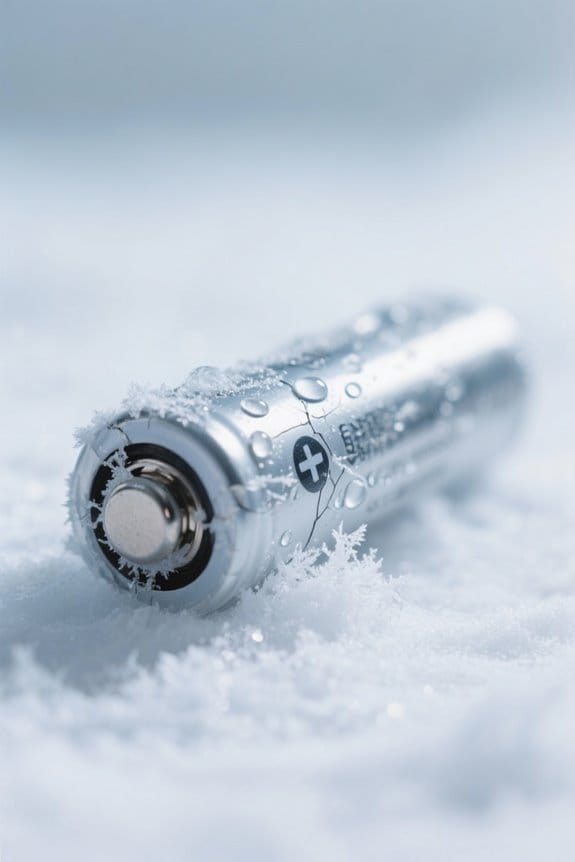
When exposed to low storage temperatures, lithium-ion batteries exhibit notable capacity degradation, with freezing conditions such as -20°C causing up to a 20% reduction in charge capacity, a decline substantiated through controlled electrochemical testing and real-world cycling experiments. Prolonged exposure to such low temperatures accelerates degradation, with irreversible cycle life loss, especially at higher current draws (C-rates), further diminishing performance. Low temperatures promote the formation of dead lithium, which impedes electrochemical reactions and reduces power output. Additionally, short cold storage durations cause microcracking in NMC particles, signaling early aging. Maintaining an ideal charge level between 40-60% during battery storage at low temperatures mitigates some performance degradation, preserving capacity and cycle life. Overall, temperature management is critical in low-temperature battery storage to minimize capacity loss and maintain reliable performance. Utilizing NiMH batteries for long-term storage provides better charge retention and environmental benefits, as they are designed to withstand extended periods without significant power loss.
Recommended Products

System Components:Delivers up to 10kW power output with 120V/240V single-phase split-phase support, making it suitable for smoothly running common household appliances. The system includes 8× 590W solar panels with a total PV capacity of 4,720W, capable of generating up to 19.68 kWh per day under optimal conditions, along with one 48V 314Ah portable LiFePO₄ battery offering 16.1 kWh of energy storage. Complete with necessary cables, this all-in-one solar solution is designed for convenient setup and reliable home power support.

elf-Heating Technology for Reliable Winter Performance: Equipped with an advanced self-heating function, the WT5100 51.2V 100Ah LiFePO4 battery automatically warms battery cells in low-temperature environments to support safer charging and improved winter performance. Compared with standard lithium batteries, this 48V server rack battery delivers more reliable power in cold climates, making it ideal for solar energy storage, off-grid systems, cabins, RV power, and home battery backup.
Chemical Reactions Influenced by Temperature Variations
The influence of temperature on chemical reactions within lithium-ion batteries is profound, as increases above the ideal 20°C to 25°C range accelerate degradation rates exponentially, with every 10°C rise doubling the rate of capacity loss, a fact corroborated through accelerated aging tests and electrochemical impedance spectroscopy studies. These temperature variations intensify corrosion and electrolyte decomposition, reducing chemical stability and consequently shortening shelf life and service life. Conversely, at lower temperatures, ion mobility decreases, leading to increased internal resistance and diminished available capacity, especially near -27°C. Ideal storage conditions maintain batteries at moderate temperatures and charge levels between 40% and 60% to slow chemical reactions, minimize capacity loss, and prolong battery durability. Understanding these temperature-dependent chemical processes is essential for mitigating accelerated degradation rates in lithium-ion battery storage. Additionally, maintaining storage temperature performance range is crucial, as some lithium chemistries can retain 70-90% capacity at 0°C, which is vital for battery efficiency and lifespan.
Role of Battery Chemistry in Temperature Sensitivity
Battery chemistry plays a significant role in determining temperature sensitivity, as distinct electrochemical formulations respond differently to thermal extremes, influencing degradation rates, capacity retention, and operational efficiency. Lithium-ion batteries exhibit notable sensitivity, with degradation rates roughly doubling for every 10°C above their 20°C to 45°C operating range, necessitating precise thermal management to avoid accelerated battery degradation and capacity fade. Lead-acid batteries, although more tolerant to temperature fluctuations, undergo corrosive changes and reduced energy efficiency at high temperatures, underscoring the importance of maintaining ideal storage temperature conditions. Nickel-metal hydride cells tolerate cooler environments better but still suffer reduced longevity and performance in heat. Effective temperature control during storage ultimately extends shelf life and sustains energy efficiency by mitigating chemistry-specific temperature sensitivity across battery types. Duracell batteries, recognized for their Duralock Power Preserve Technology, maintain power for up to 10 years in storage by implementing leak-resistant designs, ensuring longevity and reliability even under varying temperature conditions.
Temperature-Induced Capacity Loss Mechanisms
Significant capacity loss often occurs as electrochemical cells endure storage at temperatures far from their ideal range, with reductions reaching up to 50% at extreme cold such as -22°F (-27°C), which highlights the sensitivity of battery materials to thermal stress. Lithium-ion batteries experience temperature-induced capacity loss primarily due to accelerated chemical reactions within the cells when exposed to high temperatures, where every 10°C increase above 25°C can double degradation mechanisms. Prolonged exposure to elevated heat destabilizes electrolytes, increasing internal resistance and diminishing battery life and performance. Thermal management systems are essential for maintaining ideal storage conditions, typically between 0°C and 25°C, where charge levels of 40-60% minimize these effects. Neglecting temperature control intensifies capacity loss, reducing useful shelf life through enhanced degradation. For durable AAA battery pack holders, selecting those made from impact-resistant, flame-retardant plastic can help protect batteries from environmental factors that contribute to premature capacity loss.
Best Practices for Storing Lithium-Ion Batteries
Although lithium-ion cells inherently degrade over time, perfect storage conditions can greatly extend their usable shelf life by slowing capacity decline, with temperatures maintained between 0°C and 25°C (32°F to 77°F) and charge states stabilized at 40-60% proving most effective; this range minimizes deleterious chemical reactions and electrolyte breakdown that accelerate aging, as supported by comparative studies showing shelf life reductions of up to 50% when exposed to temperatures as low as -22°F (-27°C) or elevated heat exceeding 35°C (95°F). Proper battery lifespan preservation involves storing lithium-ion batteries in cool, dry environments while avoiding high temperatures, maintaining moderate charging levels, and periodically recharging batteries to counter capacity loss. Additionally, consistent monitoring storage conditions guarantees peak performance over time while promoting environmental safety by responsibly disposing of outdated units. Proper disposal methods for hazardous batteries are crucial to prevent environmental risks, as regular trash disposal can lead to incidents like lithium cells igniting or hazardous substances being released into landfills.
The Importance of Temperature Monitoring for Battery Storage
Because lithium-ion batteries exhibit excellent performance and minimal capacity loss when stored within a strict temperature range of 0°C to 25°C (32°F to 77°F), diligent temperature monitoring becomes indispensable for preserving shelf life and safety; empirical data reveal that each 10°C increase beyond 25°C effectively doubles the rate of chemical degradation and accelerates capacity decline, resulting in considerably shortened lifespan. Continuous monitoring of storage temperatures enables early detection of deviations from ideal conditions, preventing accelerated degradation and mitigating risks such as thermal runaway. Advanced battery management systems equipped with integrated temperature sensors improve storage protocols by maintaining temperatures within safe limits and stabilizing charge levels around 40-60%, a critical factor for maximizing performance and lifespan. Some battery monitoring systems feature Bluetooth integration for real-time alerts, aiding in proactive temperature management and ensuring batteries remain safe, reliable, and efficient throughout periods of inactivity. Consequently, temperature monitoring is paramount in ensuring that batteries remain safe, reliable, and efficient throughout periods of inactivity.
Recommended Products

【Massive Whole-House Energy Bank】Eliminate power anxiety with the DATOUBOSS 48.24 kWh battery system. This high-capacity 314Ah setup provides enough stored energy to run critical household appliances—including HVAC systems, refrigerators, and pumps—during extended grid outages or for full off-grid living.
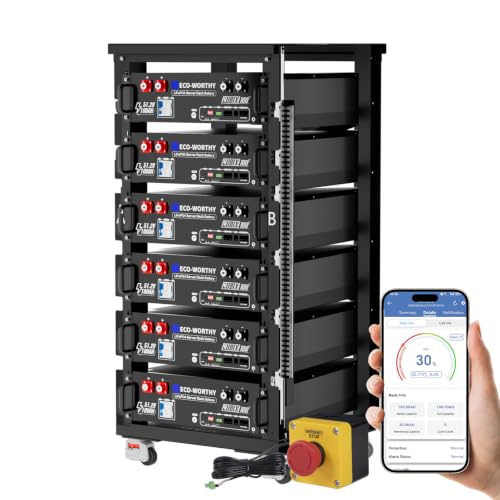
UL9540 | UL1973 | CEC LISTED - Completed comprehensive testing by Intertek and has officially earned two key North American safety certifications.And has met the standards set by the California Energy Commission.The outstanding performance in design, electrical safety, and thermal runaway management,providing users with greater quality assurance.

★Character: SUNGOLDPOWER 51.2V 100AH LFP Battery is compact, well-designed, LCD, and cable/accessories ready for installation. Rechargable ≥7000 cycles deep cycle 10 years warranty, designed for up to 15-year life with certification of UL1973 and UL9540A.
Thermal Management Techniques to Prolong Battery Life
Numerous thermal management techniques, encompassing both passive and active cooling systems, play an essential role in maintaining lithium-ion battery temperatures within a target range of 20°C to 45°C, thereby prolonging battery life and preserving performance metrics such as capacity retention and cycle stability. Incorporating phase-change materials enables absorption of excess heat during temperature fluctuations, reducing degradation risks. Advanced Battery Management Systems adjust charging protocols based on real-time temperature data, mitigating thermal stresses and extending battery lifespan. Consistent monitoring of storage conditions prevents temperature excursions that might trigger thermal runaway. Additionally, storing lithium-ion batteries at an ideal charge level of 40-60% in cool environments minimizes self-discharge and thermal damage. The importance of water resistance in outdoor setups ensures that environmental factors do not affect battery performance, especially in climates with frequent precipitation. Collectively, these thermal management strategies guarantee safe operation and enhance battery reliability across diverse storage and usage scenarios.
Recommended Products

Canon USA Authorized. Items Include: Canon EOS R5 Mark II Mirrorless Camera | 45MP Full Frame Sensor 8K Video Recording, Canon RF 100-500mm f/4.5-7.1L IS USM Lens, Canon Mount Adapter EF-EOS R, Replacement LP-E6P Lithium-Ion Battery, 64GB SF-G TOUGH Series UHS-II SDXC Memory Card, Canon EOS 200ES Shoulder Bag
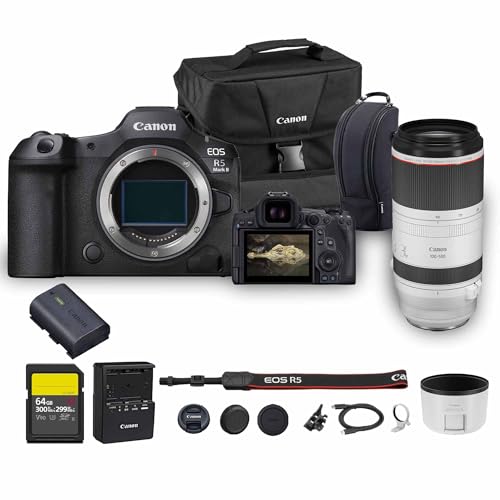
Canon USA Authorized. Items Include: Canon EOS R5 Mark II Mirrorless Camera | 45MP Full Frame Sensor 8K Video Recording, Canon RF 100-500mm f/4.5-7.1L IS USM Lens, 64GB SF-G TOUGH Series UHS-II SDXC Memory Card, Canon EOS 200ES Shoulder Bag

Version Update Notice: The former 48V 314Ah V1 is now upgraded to Powermega 48V 314Ah, featuring newly added Active Cell Balancing and Integrated Aerosol Fire Protection for higher safety and longer service life. It also comes with an extended 10-year warranty, while maintaining full compatibility with V1 units for parallel expansion
Future Trends in Battery Storage and Temperature Control
Building on established thermal management strategies that maintain lithium-ion batteries between 20°C and 45°C to reduce degradation, future trends focus on advanced systems capable of actively regulating temperature within narrower limits, often within ±2°C of the setpoint, to further extend shelf life and limit capacity fade to less than 5% over one year of storage. These systems integrate smart Battery Management Systems (BMS) with real-time temperature monitoring, optimizing charging protocols to enhance performance capabilities. Additionally, passive thermal management utilizing phase-change materials is being developed to maintain temperature stability without energy-intensive cooling. Solid-state batteries further improve shelf life by operating safely across broader temperature ranges, while tailored electrolyte formulations contribute to resilience under extreme conditions. Compact, lightweight holders with secure snap latches and stackable cases are being preferred for safe storage and easy access, further enhancing the efficiency of battery storage solutions. Collectively, these advancements indicate a shift toward more precise, efficient temperature control to markedly prolong battery shelf life.
Frequently Asked Questions
Does Storage Temperature Affect Battery Life?
Storage temperature greatly affects battery life by influencing chemical reactions and battery degradation. Ideal conditions minimize heat exposure and freezing temperatures, enhancing performance retention, energy density, and shelf life during long-term storage despite temperature fluctuations.
What Is the 40 80 Rule for Batteries?
Like a gardener pruning at perfect seasons, the 40 80 rule sets battery charge between 40-80% for ideal storage. This mitigates temperature sensitivity and heat exposure, slowing degradation rates, extending shelf life, and enhancing battery performance.
Do Batteries Last Longer When They’re Cold?
Batteries last longer with cold storage under ideal conditions, as temperature effects slow battery chemistry, enhancing shelf improvement and battery longevity. However, freezing temperatures can reduce efficiency impacts and lifespan extension, especially in cold climates.
Can I Store Batteries in an Unheated Garage?
Storing batteries in an unheated garage poses risks due to temperature extremes and moisture impact. For battery safety, long-term storage requires monitoring garage conditions, accommodating seasonal changes, and following storage recommendations tailored to battery types and ideal environment.