As an Amazon Associate, we earn from qualifying purchases. Some links on this site are affiliate links at no extra cost to you. Our recommendations are based on thorough research and editorial judgment.

The Difference Between Primary and Secondary Battery Cells

Primary battery cells deliver a stable 1.5-volt output using irreversible chemical reactions, with energy densities between 150 and 300 Wh/kg, suited for low-power, single-use devices. Secondary batteries, such as lithium-ion, feature reversible reactions allowing 500 to 2,000 recharge cycles, energy densities around 150 to 250 Wh/kg, and broader applications including electric vehicles and portable electronics. While primary cells offer low initial cost and long shelf life, secondary cells excel in sustainability and repeated energy supply. Further details clarify these distinctions and their implications.
Key Takeaways
- Primary batteries are non-rechargeable and use irreversible chemical reactions, while secondary batteries are rechargeable with reversible reactions.
- Primary batteries typically have stable voltage around 1.5 volts and are suited for low-power devices; secondary batteries offer higher energy density and repeated use.
- Secondary batteries have higher upfront costs but lower long-term expenses compared to primary batteries’ single-use nature and replacement needs.
- Environmental impact of primary batteries is higher due to waste and toxic materials, whereas secondary batteries support sustainability through reuse and recycling.
- Secondary batteries power applications like electric vehicles and consumer electronics, while primary batteries are common in remote controls and medical devices.
Key Differences Between Primary and Secondary Batteries
Although both primary and secondary batteries serve as essential portable energy sources, their fundamental distinctions lie in rechargeability, chemical mechanisms, energy density, cost implications, and application scope; primary batteries, designed for single-use via irreversible chemical reactions, typically exhibit higher energy density—ranging from 150 to 300 watt-hours per kilogram (Wh/kg)—making them suitable for low-power devices like remote controls and smoke detectors, while secondary batteries, such as lithium-ion variants with energy densities around 150 to 250 Wh/kg and lead-acid types approximately 30 to 50 Wh/kg, employ reversible chemical processes allowing multiple charging cycles, thereby reducing long-term expenses despite higher upfront costs and proving advantageous for equipment demanding frequent power replenishment over extended operational periods. Primary batteries are non-rechargeable and cost-effective initially but may incur greater lifetime costs due to replacements. Conversely, secondary batteries offer improved performance durability yet carry the disadvantage of higher initial investment. Many battery holders include ON/OFF switches for added convenience, providing users greater control over power usage.
Characteristics of Primary Battery Cells
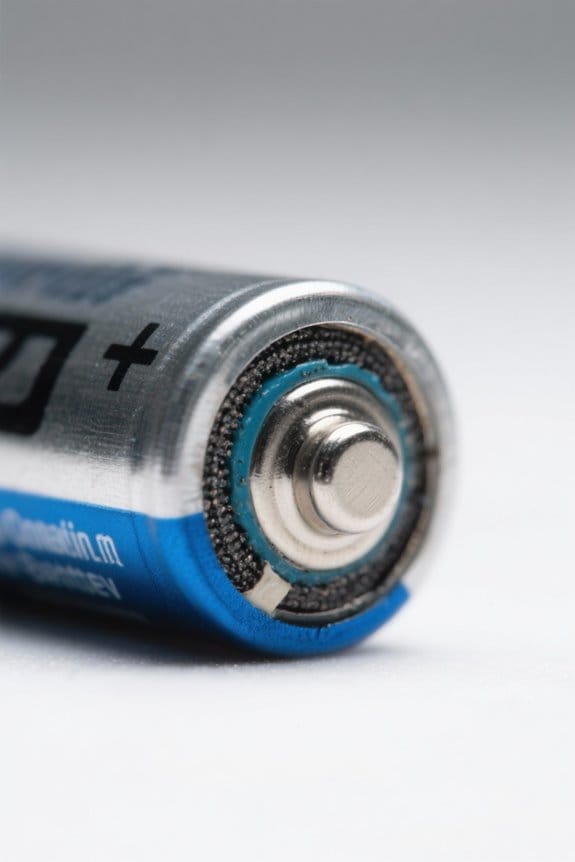
Primary battery cells, integral to numerous low-power electronic devices, operate through irreversible chemical reactions that convert stored chemical energy into electrical energy until the reactants are fully consumed, typically delivering initial voltages around 1.5 volts as seen in common alkaline cells; these cells, lightweight and compact, provide energy densities ranging approximately from 150 to 300 watt-hours per kilogram (Wh/kg), making them cost-effective for applications such as remote controls, smoke detectors, and flashlights where rechargeability is not a priority, though necessitating replacement once depleted, which can increase overall long-term expenses in power-demanding scenarios. As single-use components, primary batteries cannot be recharged, with alkaline batteries being the most widespread example, favored for their reliability in portable electronic devices. Brands like Duracell and Energizer are recognized for their dependable quality and performance, offering long-lasting power and reliability in primary cells. However, frequent replacements in power-intensive applications underscore higher cumulative costs compared to rechargeable alternatives.
Types of Primary Batteries and Their Uses

Single-use batteries encompass several types, including zinc-carbon, alkaline, lithium primary, and button cells, each engineered to meet distinct voltage and energy density requirements tailored to their applications. Common types of primary batteries, such as alkaline batteries, provide about 1.5 volts consistently and offer three to five times more energy density than zinc-carbon batteries, making them well-suited for high-drain devices. Lithium primary cells, notable for their long shelf life and reliable power under extreme temperatures, frequently power medical devices and cameras. Button cells typically support low-drain devices like watches and remote controls. Despite their convenient single-use design, primary batteries contribute to environmental impact through waste accumulation, necessitating proper recycling and disposal protocols to mitigate ecological harm while maintaining performance in various electronic applications. Eco-friendly designs are becoming more prevalent in modern battery manufacturing to address these environmental concerns.
Benefits of Using Primary Batteries
Because they contain fixed amounts of chemical reactants sealed within their cells, batteries like alkaline and zinc-carbon maintain a stable voltage output, typically around 1.5 volts, throughout their discharge cycle, which guarantees reliable power delivery for low-current applications such as remote controls and smoke detectors; this stable voltage contrasts with the gradual decline observed in rechargeable cells under similar loads. Primary batteries offer a long shelf life, often exceeding five years, enabling infrequent use without performance degradation, which supports cost-effective, short-term energy needs. Their lightweight and compact design facilitates convenient integration into portable electronics, while the non-rechargeable format eliminates the need for charging equipment, enhancing user-friendliness. Additionally, primary batteries generally present a lower initial cost compared to secondary batteries, making them an attractive option for devices requiring reliable performance in low-power applications. Alkaline batteries provide reliable runtimes with capacities ranging from 800 to 1200 mAh, making them a preferred choice for various everyday electronics.
Limitations of Primary Battery Cells
While the stable voltage output and long shelf life of primary batteries provide clear advantages for low-current and infrequent applications, their inherent design as single-use energy sources entails notable drawbacks. Primary batteries typically exhibit varying self-discharge rates, causing up to 60% charge loss annually, which reduces their efficiency and limits effectiveness in long-term storage. Additionally, their lower energy density compared to rechargeable alternatives compromises performance in high-energy-demand devices. The non-rechargeable nature considerably increases long-term costs for consumers requiring frequent energy supply. Environmental concerns also arise from substantial waste generation due to disposal after a depleted operational lifespan. Moreover, primary batteries’ performance and efficiency decline in extreme temperatures, shortening their usable lifespan and further restricting their suitability for demanding or continuous-use applications. Eco-friendly battery options like NiMH or lithium rechargeable cells not only reduce waste but also offer better performance in high-drain devices.
Characteristics of Secondary Battery Cells
Rechargeability distinguishes secondary battery cells from their primary counterparts, enabling multiple full charge-discharge cycles that range generally from 500 to 2,000 iterations, contingent upon battery chemistry and operational conditions. Secondary batteries, also known as rechargeable batteries, exhibit varied voltage outputs, with lithium-ion cells typically providing about 3.7 volts, while nickel-cadmium cells yield approximately 1.2 volts. These batteries offer high energy density, contributing to their long lifespan and suitability for applications including portable electronics and electric vehicles. Battery management systems are integral for monitoring charge cycles, optimizing efficiency, and preventing hazards such as thermal runaway. Rechargeable AAA batteries typically range from 800 mAh to 1100 mAh capacity, supporting up to 2100 recharge cycles for sustained performance. The distinct chemical compositions and robust designs of lithium-ion and other secondary batteries guarantee dependable performance across repeated usage, supporting extensive and diverse applications that demand consistent, rechargeable power sources.
Advantages of Secondary Batteries in Modern Applications
Numerous secondary batteries, particularly lithium-ion variants, provide a compelling combination of high energy density—often exceeding 150 watt-hours per kilogram—durability with 500 to 2,000 full charge-discharge cycles, and compact form factors that greatly outperform traditional primary batteries in portable electronics and electric vehicles. The rechargeable nature of secondary batteries offers distinct advantages in modern applications requiring consistent energy storage, especially consumer electronics and electric vehicles, where weight and size are critical. Lithium-ion batteries, supported by advanced battery management systems, enhance operational safety and efficiency, prolonging lifespan while minimizing overheating risks. These characteristics contribute to growing adoption trends driven by the increasing need for reliable, reusable power sources. The integration of secondary batteries in energy storage solutions underpins modern technological advancements, reflecting clear advantages over single-use devices in performance, sustainability, and versatility. In outdoor applications, the solar power banks with high capacity and fast charging options further illustrate the versatility and practicality of rechargeable battery solutions.
Comparing Environmental Impact and Sustainability of Batteries
The environmental footprints of primary and secondary batteries exhibit marked differences influenced by their respective life cycles and material compositions, where primary batteries, designed for single use, contribute substantially to waste streams with disposal rates exceeding several million tons annually, often impacting soil and groundwater through heavy metals and corrosive electrolytes. In contrast, secondary batteries reduce e-waste by enabling multiple recharge cycles, aligning better with sustainability and renewable energy goals; however, their reliance on critical raw materials like lithium and cobalt raises concerns about resource depletion and environmental impact. Current recycling processes for first-generation lithium-ion secondary batteries remain inadequate, limiting circular economy progress. Continued innovation in battery technology and enhanced recycling methods are essential to improve safety, recyclability, and minimize the overall ecological footprint associated with both primary and secondary batteries. Additionally, dynamic charging capabilities in modern rechargeable battery stations provide flexibility in charging various battery types, supporting sustainability efforts by extending battery life and efficiency.
Frequently Asked Questions
What Is the Difference Between Primary Cell and Secondary Cell Battery?
Like fading stars, alkaline batteries expire after one glow, unlike rechargeable options that reignite. Their discharge rates, energy density, and cost comparison steer usage scenarios, influencing application suitability, battery lifespan, environmental impact, and safety concerns with distinct fates.
What Is the Difference Between Primary and Secondary Secondary?
The difference between primary and secondary battery technology lies in energy storage reversibility, with secondary batteries supporting multiple charging cycles. Application differences, cost comparison, longevity factors, environmental impact, safety issues, manufacturing processes, and usage scenarios also greatly distinguish them.
Is a Lithium Battery a Primary or Secondary Cell?
A lithium battery is a secondary cell, characterized by high energy density, extended recharge cycles, and improved battery life. Market trends highlight cost analysis, performance comparisons, safety concerns, environmental impact, and diverse battery applications influencing lithium battery types.
What Is the Difference Between Primary and Secondary Cell Culture?
Like seedlings versus cloned plants, primary cell lines arise from primary isolations, with tissue specific cells needing precise culture media compositions and contamination prevention, while secondary cell lines, immortalized with differentiation protocols, offer extended viability for cell culture techniques and cell viability assays.