As an Amazon Associate, we earn from qualifying purchases. Some links on this site are affiliate links at no extra cost to you. Our recommendations are based on thorough research and editorial judgment.

What to Do If a Child Swallows a Battery

If a child swallows a button battery, immediate emergency medical evaluation is essential to prevent severe tissue burns and chemical injuries that can develop within two hours, with about 2,500 annual ingestion incidents reported in the U.S. Administering 2 teaspoons of honey every 10 minutes, up to six doses, can reduce esophageal damage for children over 12 months old; meanwhile, avoid inducing vomiting or attempting removal. Swift diagnostic imaging and endoscopic extraction are vital for batteries lodged in the esophagus. Preventive and treatment strategies are important for effective response and safety.
Key Takeaways
- Seek immediate medical help by calling 911 or visiting an emergency room without trying to remove the battery yourself.
- Contact Poison Control at 1-800-222-1222 or the National Battery Ingestion Hotline at 800-498-8666 for expert advice.
- Monitor the child for symptoms such as drooling, coughing, chest or abdominal pain, and breathing difficulties while en route to care.
- Administer honey (2 teaspoons every 10 minutes, up to six doses) for children over 12 months to reduce esophageal burns.
- Prevent future incidents by storing batteries securely and educating children that batteries are not toys.
Understanding Button Batteries and Their Risks
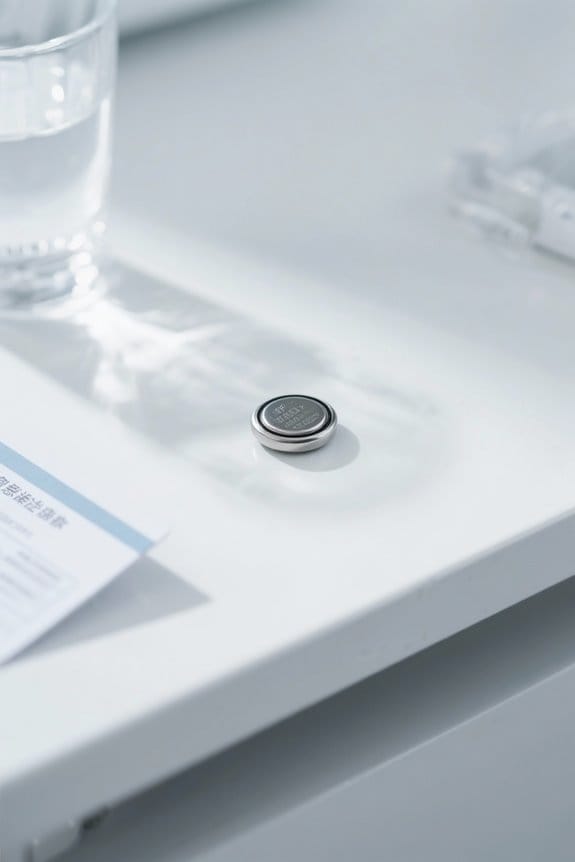
Although button batteries are diminutive and often overlooked, their widespread presence in common household items such as watches, hearing aids, remote controls, and children’s toys makes them a frequent cause of accidental ingestion among children under four years old; these batteries, typically measuring 5 to 20 millimeters in diameter and less than 5 millimeters thick, store enough electrical charge to initiate hazardous chemical reactions when lodged in the esophagus or stomach. Ingestion of button batteries by a child often results in severe tissue damage due to electrical discharge causing burns and potential perforation, especially when the battery becomes stuck in the esophagus. Immediate medical attention is essential to prevent lasting injury or fatality. Approximately 2,500 such ingestion incidents occur annually in the U.S., highlighting the significant risk posed by these small power sources. Professional responders may utilize specialized battery diagnostic tools to assess battery charge and potential hazards during treatment.
Common Symptoms Indicating Battery Ingestion
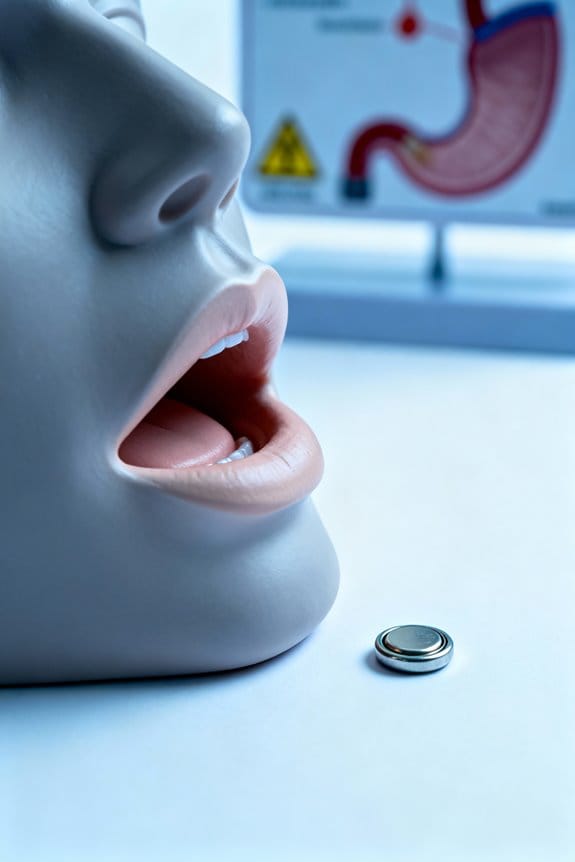
Several distinct symptoms frequently indicate button battery ingestion in children, often necessitating urgent clinical evaluation to avoid critical complications. Common symptoms include coughing or choking during meals, difficulty swallowing, excessive drooling, and vomiting, which may signal early esophagus injury. Children may refuse to eat or drink and experience chest pain or discomfort, further suggesting internal damage. Additional signs such as abdominal pain, hoarse voice, unusual breathing patterns, and, in severe cases, bloody stool warrant immediate medical attention. The rapid onset of these symptoms, sometimes within two hours after ingestion, underscores the importance of urgent care to prevent potentially life-threatening outcomes. Given the severity and speed of symptom progression, prompt recognition and evaluation are critical following suspected button battery ingestion to mitigate risks effectively. Selecting batteries with advanced child-safety technology can help reduce the risk of accidental ingestion in young children.
Immediate Steps to Take After Suspected Ingestion
Recognizing symptoms indicative of button battery ingestion necessitates prompt intervention to minimize tissue damage and prevent life-threatening complications; consequently, immediate steps focus on rapid medical engagement, symptom management, and careful prehospital care. If a child is suspected to have swallowed button batteries, obtaining immediate medical attention by calling 911 or proceeding straight to the emergency room is critical. Parents and caregivers should avoid attempting to remove the battery forcibly or inducing vomiting, both of which risk exacerbating injury. While en route to medical facilities, contacting Poison Control or the National Battery Ingestion Hotline at 800-498-8666 is advisable to receive expert guidance tailored to the child’s condition. Observing symptoms to look for, such as drooling, difficulty swallowing, or respiratory distress, guarantees timely recognition of the child’s needs and facilitates rapid decision-making to remove the battery safely. Safe handling and storage of button cell batteries before disposal can help prevent such incidents by reducing button cell battery risks.
The Role of Honey in Reducing Injury
One important intervention for children over 12 months who have ingested button batteries involves administering honey in measured doses of 2 teaspoons (10 ml) every 10 minutes, not to exceed six doses before reaching medical care; this practice is supported by research showing that honey forms a protective coating over the esophageal mucosa, mitigating localized chemical burns caused by the battery’s electrical discharge and interaction with saliva. When a battery is swallowed, localized injury to the esophagus can rapidly progress; accordingly, timely response with honey can reduce the extent of tissue damage. The specific dosage regimen optimizes honey’s coating effect without exceeding safe volumes. For medical providers and caregivers, understanding this intervention is essential in reducing injury severity while awaiting definitive care, particularly since honey is contraindicated in children under 12 months due to botulism risk. Proper disposal of batteries after ingestion incidents is also crucial to prevent further hazards associated with battery toxicity and environmental contamination.
When and How to Seek Emergency Medical Care
Immediate and decisive emergency medical care is paramount when a child is suspected of swallowing a button battery, as tissue injury can initiate within 15 minutes due to the battery’s rapid generation of localized electrical burns and caustic chemical reactions in the esophagus. Caregivers must seek emergency medical care by calling 911 or proceeding directly to the nearest children’s emergency room, recognizing critical time is essential to prevent severe damage. Do not induce vomiting or allow the child to eat or drink anything before evaluation by medical professionals, as this may exacerbate tissue damage. If the child is over 12 months old, administering two teaspoons of honey every ten minutes may reduce injury en route. Call Poison Control right away at 1-800-222-1222 for specific guidance while awaiting emergency care. After emergency treatment, proper disposal and handling of the battery is essential to avoid further exposure risks and environmental hazards.
Medical Procedures and Treatment Options
Once the child is under medical supervision, diagnostic imaging such as a plain radiograph is performed to accurately localize the button battery, with particular attention to its presence in the esophagus, stomach, or intestines; localization informs subsequent management decisions, as batteries lodged in the esophagus necessitate urgent endoscopic removal, ideally within two hours to mitigate the onset of severe mucosal burns, perforation, or fistula formation. For children over 12 months, administering honey every 10 minutes before evaluation may help reduce injury to the esophagus. In asymptomatic cases where the battery has passed into the stomach, observation with repeat X-ray in 7–14 days is common unless symptoms develop. Poison Control should be contacted promptly. Surgery may be required if severe tissue damage occurs or complications arise following swallowing a button battery. It is also important to ensure emergency kits contain reliable batteries with a proven 10-year shelf life to minimize the risk of battery-related accidents in children.
Preventative Measures to Keep Children Safe
Although ingestion incidents often prompt urgent medical intervention, preventing access to button batteries remains the most effective strategy to protect children, particularly those under five years of age who exhibit increased oral exploratory behavior and hand-to-mouth actions; childproofing measures including securing battery compartments with tools or industrial-grade tape substantially reduce exposure risks, while consistent storage of battery-powered devices beyond a child’s reach limits incidental encounters. To keep your child safe, caregivers should store devices containing button batteries in locked or elevated locations, routinely inspect play areas from a child safe perspective, and educate small children that handling batteries is always easy only for adults. In emergency cases when a child has swallowed a battery, contacting Poison Control right away is critical to prevent injury and guarantee timely medical response. Using shatterproof bulbs in household devices can further reduce the risk of injury from broken batteries or similar hazards.
Resources and Support for Parents and Caregivers
When addressing the risks associated with button battery ingestion, parents and caregivers benefit greatly from accessible, reliable resources and specialized support networks designed to enhance safety preparedness and response efficacy; for instance, the National Poison Control Hotline (1-800-222-1222) offers round-the-clock expert assistance, while the National Battery Ingestion Hotline (800-498-8666) provides tailored guidance specifically for battery-related emergencies. Caregiver education about symptoms of ingestion—including coughing, drooling, or discomfort—is vital, as prompt recognition prompts parents to call Poison Control right away or proceed to the emergency room immediately if severity escalates. Supplementary resources such as Healthy Kids Zone and healthcare providers contribute to thorough prevention strategies, underscoring the necessity of keeping batteries safe around children. When a child may have swallowed a battery, having control over actionable information greatly reduces risk and enhances swift, effective intervention. Additionally, understanding the energy efficiency of LED and solar lights can help parents make safer choices in household and outdoor lighting to minimize battery hazards.
Frequently Asked Questions
What to Give Your Child if They Swallow a Battery?
When a battery lodges unseen, administering honey cautiously can soothe, yet only for toddlers above one year. Parental guidance resources and emergency response steps emphasize health professional contacts and poisoning prevention strategies, weaving child safety precautions with battery identification tips.
How to Remove Battery From Child’s Stomach?
Battery removal techniques depend on battery type and location, assessed via x-ray requirements during hospital evaluation. Emergency medical procedures prioritize signs of distress. First aid response and parental guidance emphasize child safety measures to guarantee prompt, effective intervention.
What Happens if a Toddler Swallows an AA Battery?
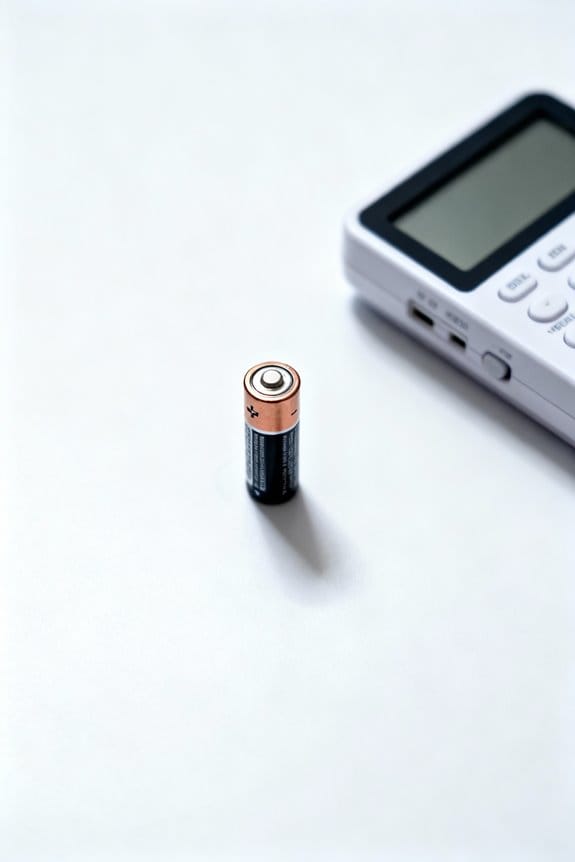
Swallowing an AA battery is like playing with fire; toddler safety is paramount due to battery dangers such as choking hazards and toxic effects. Swift emergency response and medical attention, along with parental awareness and first aid knowledge, are critical across battery types.
What Happens if a Battery Is in Your Stomach?
A battery in the stomach can cause battery toxicity symptoms due to battery acid effects and ingestion risks. Emergency response guidelines recommend x ray examination procedures and pediatric urgent care. Medical treatment options vary, highlighting prevention strategies and parental awareness tips.