As an Amazon Associate, we earn from qualifying purchases. Some links on this site are affiliate links at no extra cost to you. Our recommendations are based on thorough research and editorial judgment.

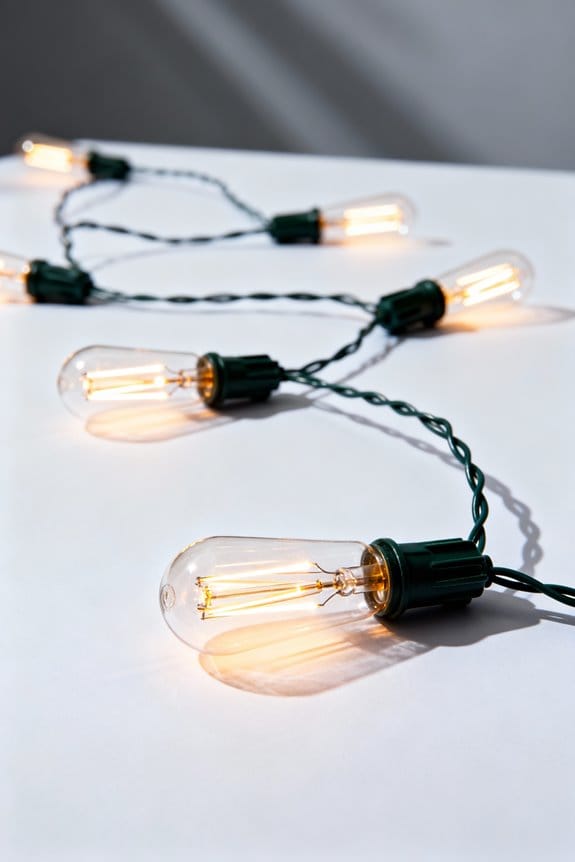
Why Some String Lights Flicker and How to Fix It

String lights often flicker due to loose bulb sockets, voltage fluctuations exceeding ±5 volts in 120V circuits, incompatible dimmer switches not designed for LEDs, or faulty LED drivers failing voltage regulation. Diagnosing requires multimeter testing for continuity and resistance above 1 ohm, alongside voltage monitoring to catch surges or dips. Fixing involves securing connections, replacing incompatible dimmers, and using voltage regulators or surge protectors. Exploring further reveals detailed solutions to enhance safety and performance.
Key Takeaways
- Flickering string lights often result from loose bulbs or poor electrical connections disrupting current flow.
- Voltage fluctuations and incompatible dimmer switches can cause inconsistent LED brightness and flickering.
- Diagnosing with a multimeter helps identify wiring faults, resistance issues, and voltage instability.
- Replacing faulty wiring, using LED-compatible dimmers, and installing voltage regulators can fix flickering.
- Using certified, high-quality LED lights and surge protectors prevents electrical risks and maintains stable lighting.
Common Causes of Flickering in String Lights
Although flickering in string lights may appear as a simple nuisance, it often results from specific electrical and mechanical issues that warrant careful examination. Flickering in LED string lights frequently arises from loose bulbs, which cause inconsistent electrical contact at sockets. Voltage fluctuations, typically due to power surges or dips varying by ±10 volts, disrupt the stable electrical current required, producing intermittent flicker. Older dimmer switches, designed for incandescent bulbs, tend to be incompatible, leading to erratic light behavior. Faulty LED drivers also contribute by failing to regulate voltage correctly, causing unpredictable current changes. Additionally, electromagnetic interference from household appliances can disrupt the electrical current flow, inducing flicker. Understanding these causes is essential to diagnosing the problem effectively and ensuring peak performance of LED string lights under varying electrical conditions. Using string lights with IP65 waterproof ratings and rugged construction can also reduce flickering issues caused by moisture and environmental impacts.
Electrical Safety Concerns With Flickering Lights
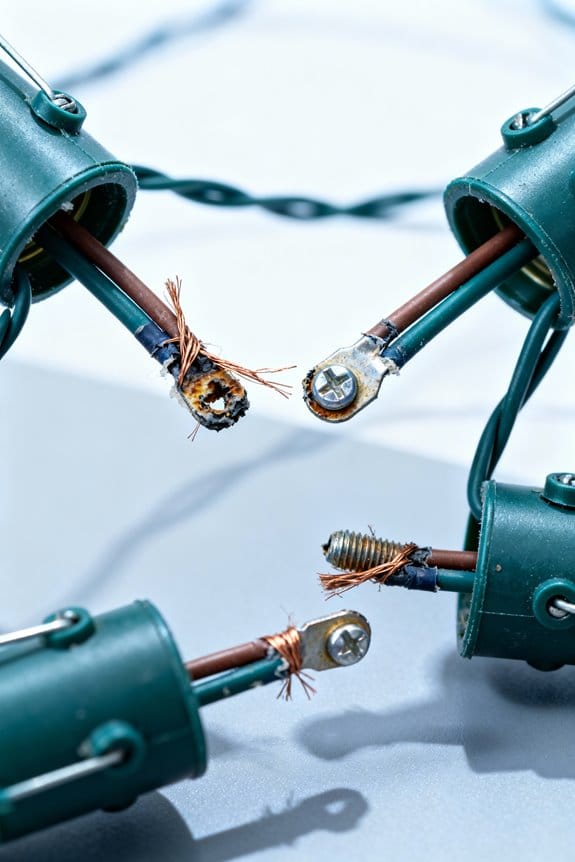
How critical is the presence of flickering in string lights when considering electrical safety? Flickering lights often signal underlying issues such as loose electrical connections or voltage fluctuations, which compromise wiring integrity and increase safety risks including fire hazards and electrocution. These fluctuations can degrade components rapidly, necessitating strict adherence to electrical safety standards especially in homemade or modified string lights. Additionally, continuous flickering poses health concerns like eye strain and headaches, further emphasizing the importance of proper maintenance. Regular inspection and servicing guarantee connections remain secure, reducing the likelihood of sparks or overheating that could ignite fires. Employing standardized diagnostic methods, such as voltage monitoring and continuity testing, enhances early detection of potential failures, thereby safeguarding against detrimental consequences associated with flickering-induced electrical faults. Incorporating real-time voltage monitoring systems can further improve the detection and prevention of electrical issues in string lights.
Diagnosing Loose Connections and Faulty Wiring
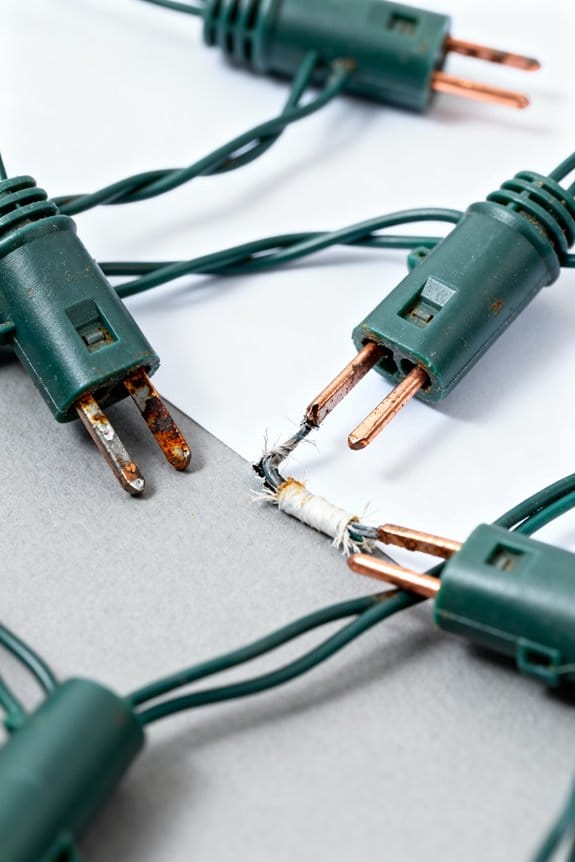
Diagnosing flickering issues in string lights begins with a systematic inspection of loose connections and faulty wiring, which are common culprits of intermittent illumination and electrical instability; using a multimeter set to measure continuity and resistance, technicians can identify socket terminals exhibiting resistance above 1 ohm, indicating poor contact or corrosion. Loose connections often disrupt the electrical supply, causing inconsistent current flow and brightness fluctuations, while damaged wiring may interrupt continuity, heightening flickering risks. To diagnose effectively, careful visual and electrical examination of socket contacts and wiring integrity is essential, as unnoticed faults could escalate into safety risks such as electrical fires. Although voltage fluctuations influence lighting stability, thorough diagnosis of loose connections and wiring faults must precede that assessment to guarantee string lights operate reliably and safely over time. Replacing worn terminals and connectors with high-quality components can significantly improve electrical connectivity and reduce flickering issues.
Recommended Products
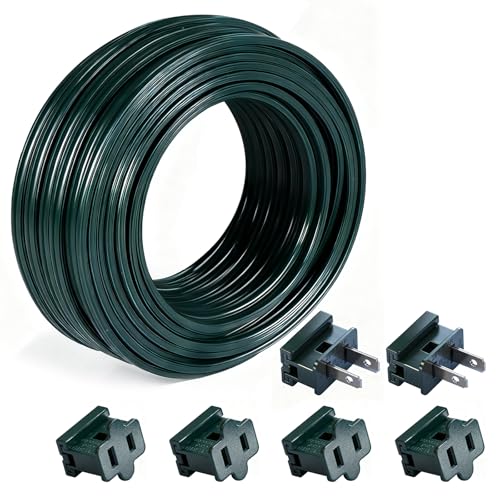
Extra-Large 1000FT Bulk Roll: Best for commercial-scale lighting, city events, large venues, theme parks, and professional lighting companies.
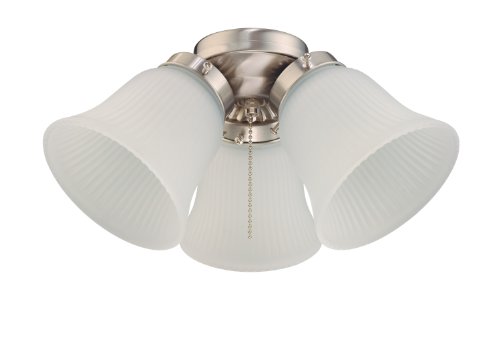
Brushed nickel finish and three frosted ribbed glass shades

This is an O.E.M. authorized part
Addressing Voltage Fluctuations and Inrush Currents
When voltage fluctuations occur within a residential power supply—such as surges exceeding 5% of the nominal 120 volts or brief dips below 110 volts—LED string lights often exhibit flickering or brightness inconsistencies, which result from unstable electrical current reaching the LEDs’ semiconductors; in addition, the initial inrush current, potentially reaching 10 to 20 times the steady-state operating amperage during startup, can overwhelm the circuit components if not properly managed, thereby provoking transient flicker effects. Addressing these issues involves incorporating voltage regulators to maintain power stability by smoothing out excessive voltage and preventing erratic current flow. Ensuring the electrical device design can tolerate minor voltage variations supports a stable output, reducing flickering. Monitoring with a multimeter helps detect problematic voltage fluctuations, enabling targeted solutions to enhance LED string lights’ reliable performance. Using an appropriate outdoor lighting transformer with built-in safety features can further stabilize voltage and prevent flickering in outdoor lighting systems.
Recommended Products

【Versatile Power Supply】The MXR4000 inverter generator produces 4000 peak watts and 3200 running watts of clean power; Compact and lightweight design makes it perfect for camping, party, garden courtyard, RV travel, and other outdoor recreational activities as well as for family power failure in extreme weather, etc.

Universal single color LED dimmer can dim any 12VDC LED products

【Variable power supply with dual LED Display】Our 48V power supply adjustable features a dual-knob design, with one knob used to adjust the voltage, ranging from 0-48V, and the other knob used to adjust the current, ranging from 0-12A. Whatever voltage or current setting you need, just turn the knob gently. Our LED display screen will clearly and brightly show you the current voltage and current settings, allowing you to grasp all the information at a glance.
Compatibility Issues With Dimmers and LED Drivers
Maneuvering compatibility challenges between dimmer switches and LED drivers is critical, as traditional incandescent dimmers often fail to provide the proper voltage regulation required by LED technology, causing flickering due to erratic current delivery. Compatibility issues typically arise when non-dimmable bulbs are paired with dimmers, resulting in unstable voltage levels and inconsistent current flow that manifest as flickering. Dimmable LED lights demand specialized dimmers that accommodate lower wattage requirements and maintain stable voltage regulation for peak performance. Additionally, LED drivers must stabilize output voltage precisely; failure to do so leads to flickering through voltage fluctuations. Ensuring LED compatibility involves verifying that both dimmers and drivers match the total wattage requirements of the connected LED load, as mismatched components amplify flickering tendencies and hinder reliable operation of string lighting systems. Selecting dimmers with adjustable minimum/maximum settings can prevent flicker and improve performance when used with LED string lights.
Recommended Products

Modern Staircase Chandelier: Elevate entryways with this gold high-ceiling chandelier; featuring (36 Droplets) and a 36-inch adjustable design, it creates a striking focal point for staircases, foyers, and open spaces

【Double Layer Crystal Design with Brilliant Sparkle】Designed with an elegant double-layer crystal arrangement, this rectangular chandelier combines inner octagonal crystal beads with outer triangular crystal prisms to create exceptional clarity and light reflection. The sparkling K9 crystals add depth and luxurious brilliance, making it a stunning centerpiece for dining rooms and large living spaces.

【Classic Maria Theresa Style & K9 Crystals】 Adorned with hand-polished, genuine K9 crystal strings layered over curved metal arms. Features a thick, multi-faceted crystal center column that splits light into moving rainbow patterns across your walls—no dull glass or cheap plastic reflections.
Step-by-Step Methods to Fix Flickering String Lights
Addressing flickering in string lights often begins with a methodical inspection of the physical and electrical setup, as loose bulbs or poor socket contacts can induce intermittent current disruptions that cause visible flicker; tightening each bulb with a consistent torque of approximately 0.2 newton-meters helps confirm stable connection without damaging the fixtures. Next, it is vital to check the power supply for voltage fluctuations, which may affect LED performance and induce flickering. Replacing incompatible dimmer switches with models designed specifically for LED lighting reduces interference. Additionally, inspecting for faulty wiring, including frayed cables or loose connectors, guarantees unimpeded current flow. Employing a voltage regulator or surge protector can stabilize the power supply, mitigating flicker caused by sudden voltage spikes. These combined measures address the primary causes of flickering string lights efficiently. For improved reliability outdoors, consider using a waterproof 24V LED driver that ensures stable and consistent power delivery.
Recommended Products


𝐌𝐚𝐱𝐢𝐦𝐢𝐳𝐞 𝐄𝐧𝐞𝐫𝐠𝐲 𝐇𝐚𝐫𝐯𝐞𝐬𝐭- With 99.9% MPPT efficiency, Renogy’s MPPT solar charge controller 𝐦𝐚𝐱𝐢𝐦𝐢𝐳𝐞𝐬 𝐩𝐨𝐰𝐞𝐫 𝐞𝐯𝐞𝐧 𝐢𝐧 𝐬𝐡𝐚𝐝𝐞𝐝 𝐜𝐨𝐧𝐝𝐢𝐭𝐢𝐨𝐧𝐬. Renogy 100 amp solar charge controller performs reliably from -𝟑𝟏°𝐅 𝐭𝐨 𝟏𝟏𝟑°𝐅. Its IP32 waterproof housing and TVS lightning protection make this solar panel charge controller perfect for RVs, marine use, and off-grid systems.

COLOR CHANGING RGB LED STRIP FOR TILED EDGES Designed to install flush into tile borders and edges, this waterproof RGB strip delivers vibrant color-changing light effects in wet and dry areas.
Tips for Preventing Flickering Before It Happens
Although flickering string lights may initially appear to be a minor inconvenience, implementing proactive measures considerably reduces the likelihood of electrical instability; selecting LED holiday lights from certified manufacturers adhering to international safety standards, such as UL or CE markings, guarantees component quality with voltage tolerances typically rated at ±5%, which prevents current irregularities. To minimize flickering LED lights caused by electrical fluctuations, installing surge protectors stabilizes voltage and protects circuits from transient power spikes. Consulting a qualified electrician guarantees correct wiring and circuit integration, vital for preventing inconsistent voltage. Maintaining clean light fixtures by regularly cleaning fixtures removes debris that could cause overheating or uneven current flow. Furthermore, using the same brand and model of LED holiday lights on a single circuit sustains consistent voltage and uniform performance, thereby reducing flickering risk. Additionally, ensuring durable and low resistance battery contact springs in battery-operated string lights promotes reliable power transfer and reduces flickering issues.
Recommended Products

Authentic Blue Spruce Design: This 15 foot pre-lit artificial christmas tree features 100% classic needle foliage with an impressive 11,454+ meticulously crafted tree branch tips in dense blue-green and silvery hues that delivers exceptional value through full, abundant appearance of a real tree with traditional Blue Spruce charm for decades of authentic holiday decor

Elegant Berkshire Mountain Fir Design for Majestic Spaces: This 12 foot slim artificial christmas tree features 100% classic needle foliage with 5536+ tree branch tips and 1500 professional christmas lights, delivering exceptional value through realistic appearance that transforms majestic holiday decor areas for decades of elegant celebrations

Ultra-Realistic Napa Valley Elegance: This artificial christmas tree features bountiful natural-green foliage and authentic light brown branches using primarily award-winning True Needle technology - delivering ultra-realistic feel that adds sophisticated and festive atmosphere to entryways, luxury lofts, and living rooms
Frequently Asked Questions
How to Fix Flickering String Lights?
Approximately 30% of flickering issues arise from poor bulb quality. To fix flickering string lights, inspect light connections, verify compatible dimmer switches, avoid faulty extension cords, account for voltage fluctuations, and follow thorough troubleshooting steps for various string types during seasonal use.
Why Do String Lights Flicker?
Flickering causes in string lights often stem from loose connections, voltage fluctuations, or electrical interference. Bulb compatibility with dimmer switches and environmental factors also impact performance, making troubleshooting steps essential to identify power supply or wiring issues effectively.
How to Make a String of Lights Stop Blinking?
To make string lights stop blinking, one must heroically tighten bulb connections, banish faulty bulbs, and shun incompatible dimmer switches. Address voltage issues, power sources, outlet problems, pesky weather effects, and extension cords through thorough troubleshooting steps.
How Do I Make My Light Stop Flickering?
To stop flickering, one should address wiring issues, guarantee LED compatibility with dimmer switches, consider bulb replacement, manage voltage drop in string types, use appropriate power sources, apply surge protectors, and verify suitability for outdoor use.