As an Amazon Associate, we earn from qualifying purchases. Some links on this site are affiliate links at no extra cost to you. Our recommendations are based on thorough research and editorial judgment.

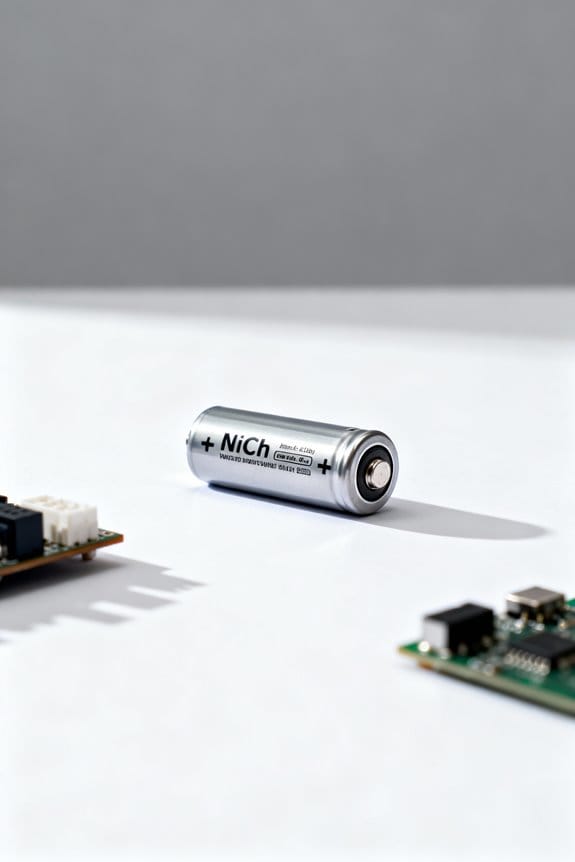
Understanding the Memory Effect in NiCd Batteries

The memory effect in NiCd batteries, initially observed in 1970s satellite systems, requires hundreds of precise cycles discharging to 25% capacity and fully recharging, a rare occurrence outside aerospace use. Most perceived capacity loss stems from voltage depression caused by irregular use, deep discharges below 1.0V per cell, or electrolyte crystallization from overcharging, which increases internal resistance. NiCd chemistry also entails a 20% monthly self-discharge and environmental toxicity concerns. Understanding these nuances reveals how proper management extends battery life and performance.
Key Takeaways
- The memory effect in NiCd batteries is largely a myth, originating from misinterpreted satellite battery behaviors in the 1970s.
- True memory effect requires precise cycling to 25% discharge and full recharge over hundreds of cycles, rarely occurring in typical usage.
- Voltage depression, often mistaken for memory effect, reflects temporary voltage drops due to irregular usage or overcharging, not actual capacity loss.
- Deep discharges below 1.0 volt per cell can cause permanent damage, but typical memory effect scenarios do not cause such capacity loss.
- Proper battery maintenance, including avoiding overcharging and performing full charge-discharge cycles, helps prevent voltage depression and preserves battery health.
Origins of the Memory Effect Myth
The memory effect myth in nickel-cadmium (NiCd) batteries traces back primarily to the work of Pensabene and Gould in the early 1970s, whose experimentation with satellite power systems revealed a measurable voltage drop after repetitive discharge and recharge cycles; this phenomenon was elaborated in their influential 1976 paper, “Unwanted Memory Spooks Nickel Cadmium Cells.” Subsequent controlled laboratory experiments, however, failed to reproduce these specific voltage variations under standardized test conditions, suggesting the initial observations were context-dependent and not universally applicable. Despite this, the belief in memory effects causing capacity loss in NiCd batteries persisted, partly due to the rarity of exact discharge cycles needed to trigger such behavior and the widespread misattribution of the phenomenon to other battery technologies. This has contributed to ongoing confusion surrounding NiCd battery performance and capacity degradation. Understanding battery performance also involves considering factors such as self-discharge rates and temperature effects, which are critical in assessing long-term battery reliability.
Real Conditions for Memory Effect Occurrence
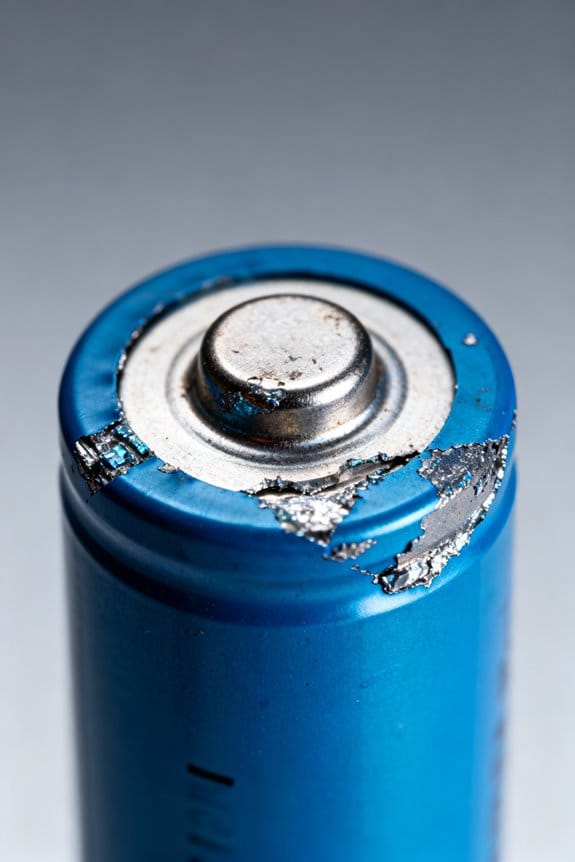
Although widely discussed, true memory effect in nickel-cadmium (NiCd) batteries manifests only under exceptionally precise conditions, requiring repetitive discharge cycles to exactly 25% of capacity followed by a full recharge to 100%, maintained over hundreds of consistent cycles. This battery memory effect necessitates charge and discharge cycles with discharge depths controlled within ±3% and full overcharging, alongside cell voltages remaining above 1.0 volt during discharge. Originally observed in sintered-plate NiCd cells in aerospace settings, such strict protocols rarely occur in everyday use. Consequently, general operating patterns tend to cause voltage depression, leading to reduced capacity without true memory effect. Hence, while nickel-cadmium batteries can theoretically exhibit this phenomenon, it remains an uncommon issue outside specialized, highly controlled environments involving rigorous charge-discharge regimen adherence. For daily applications, choosing NiMH rechargeable batteries can provide more reliable and eco-friendly alternatives without concerns over memory effect.
Recommended Products


Universal Battery Testing Made Easy - Quickly test AA, AAA, C, D, 9V, NiMH, NiCd, and alkaline batteries to check health, charge level, and load performance with simple one-button operation.

Extremely easy to use
Differences Between True Memory Effect and Other Issues

True memory effect in nickel-cadmium batteries occurs only under extraordinarily specific conditions, which contrasts sharply with more commonly encountered issues such as voltage depression and capacity loss caused by irregular usage patterns. True memory requires repetitive deep discharges to exactly 25% capacity followed by full recharges to 100%, conditions rarely met outside controlled environments. In practice, many problems attributed to memory arise from deep discharge or overcharging, which impair the battery’s overall performance. Voltage depression, often mistaken for memory, results in lower voltage under load, producing a false impression of reduced capacity without actual memory formation. Unlike true memory, these phenomena do not alter NiCd batteries’ intrinsic capacity permanently but highlight the importance of correct usage to maintain ideal performance and longevity. Proper charge-cycle lifespan management is critical to maximizing battery life and avoiding premature capacity loss.
Temporary Voltage Depression in NiCd Batteries
How can nickel-cadmium (NiCd) batteries exhibit rapid voltage drops and apparent capacity loss without any permanent damage to their actual energy storage? Temporary voltage depression in NiCd batteries occurs when repeated overcharging leads to electrolyte crystal formation on the plates, thereby increasing internal resistance. This results in a noticeable, rapid drop in voltage during use, which mimics reduced capacity though total stored energy remains intact. Unlike permanent capacity loss, voltage depression can be mitigated through deep charge and discharge cycles that dissolve these crystals, restoring performance. Proper maintenance, including controlled charging practices and periodic deep cycling, helps prevent this condition and greatly prolongs the effective lifespan of NiCd batteries, ensuring reliable functionality and consistent output voltage throughout their service period. Additionally, understanding battery internal resistance is crucial for optimizing device compatibility and battery performance.
Causes of Permanent Capacity Loss
When NiCd batteries experience deep discharging below 1.0 volt per cell, irreversible capacity loss can occur due to the weakest individual cell undergoing reverse charging, which deteriorates the overall battery pack’s performance; this phenomenon is exacerbated by prolonged overcharging that promotes electrolyte crystallization on the plates, increasing internal resistance and diminishing effective cell voltage. Such permanent capacity loss reduces not only the battery’s performance but also its overall lifespan, as these conditions complicate proper charge acceptance and discharge cycles. While the memory effect is often reported, it is frequently the result of these underlying irreversible chemical and physical changes. Additionally, elevated temperatures during charge-discharge cycles accelerate aging, further shortening battery lifespan and capacity retention, making understanding these causes essential for evaluating NiCd battery longevity in practical applications. For devices requiring reliable energy, choosing batteries with long shelf life and stable performance under temperature variations can mitigate unexpected failures.
Maintenance Techniques to Mitigate Memory Effect
Although NiCd batteries are prone to developing memory effect under certain conditions, adhering to specific maintenance techniques can considerably reduce capacity loss and prolong service life; this includes conducting periodic deep discharges to approximately 1.0 volt per cell, recommended every 30 charge-discharge cycles or about once per month, which helps prevent the formation of electrolyte crystals and mitigates voltage depression associated with memory retention. Proper maintenance avoids discharging before every charge, a formerly common practice that may shorten battery lifespan. For cells showing memory, reconditioning cycles can restore performance. Additionally, automated charging systems that regulate voltage and current prevent over-discharging, further limiting memory effect and preserving battery lifespan. These maintenance strategies are essential for optimizing Nickel–cadmium (NiCd) batteries’ functionality and minimizing capacity loss over time. Using appropriate thermal insulation sleeves can help stabilize battery temperatures and enhance overall battery health during operation.
Recommended Products
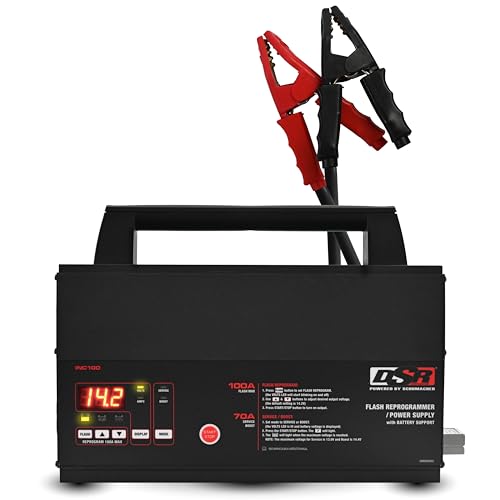
Immediate Charging Power – Delivers 70-amp to 100-amp flash reprogram mode, maximum 13.5-volt service mode, and maximum 14.4-volt boost mode
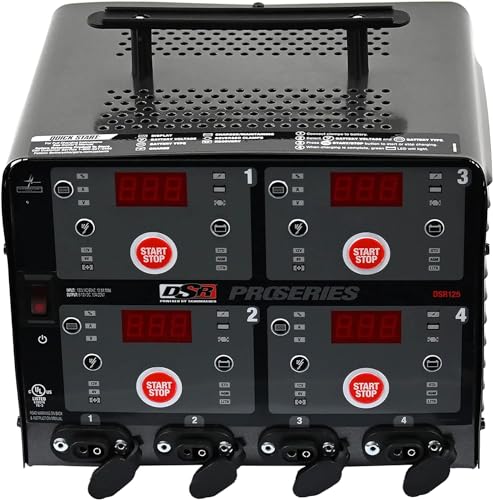
Simultaneously Charge 4 Batteries - The DSR125 can help eliminate downtime in shops and garages, and allows pros to charge up to four batteries at once. The versatile 4 bank battery charger maintainer can charge standard, AGM, gel, deep-cycle and LiFePO4 batteries.
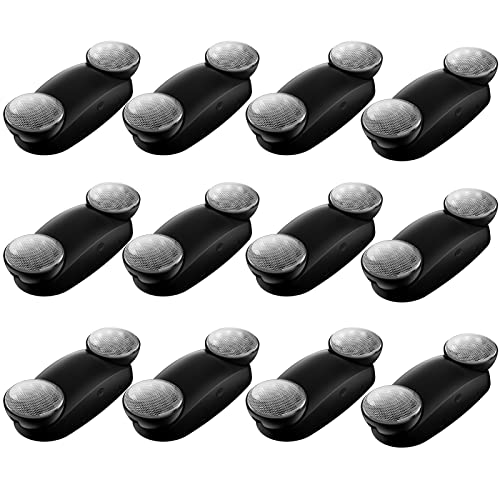
✔ [5 YEAR's WARRANTY]- The Black Emergency exit lights of has been passed UL certificate and comply with FCC regulations.The emergency lights have two adjustable LED bug eye lamp heads,The emergency light is made of injection-molded thermoplastic ABS shell, UL-94V-0 flame retardant, so that the black emergency lights with battery backup can continue to operate in the event of a fire or earthquake.
Comparing Nicd Batteries With Modern Alternatives
While nickel-cadmium (NiCd) batteries have historically been favored for their robustness in demanding applications, their susceptibility to the memory effect—a condition causing up to 20% capacity loss if recharged prematurely without full discharge—marks a significant limitation when compared to modern alternatives such as lithium-ion and nickel-metal hydride (NiMH) batteries. NiCd batteries typically exhibit a self-discharge rate of about 20% per month, requiring frequent charging cycles that emphasize complete discharges to mitigate capacity loss. In contrast, lithium-ion batteries not only avoid the memory effect but also have substantially lower self-discharge rates, retaining charge for several months, which enhances convenience and performance consistency. Nickel-metal hydride (NiMH) batteries reduce memory effect issues relative to NiCd batteries but still fall short of lithium-ion options regarding self-discharge and energy density. Many NiMH batteries now feature capacities up to 2800mAh and low self-discharge rates, making them suitable for high-drain devices.
Impact of Battery Chemistry on Performance
Because the electrochemical properties of battery components directly influence overall performance, the unique chemistry of nickel-cadmium (NiCd) batteries—which combines a cadmium anode and nickel oxide hydroxide cathode—enables reliable operation across a broad temperature spectrum ranging from -20°C to 60°C, a range that often surpasses many modern alternatives. The distinctive ion movement in NiCd rechargeable batteries causes sensitivity to incomplete discharge cycles, contributing to the well-known memory effect, especially in sintered-plate cells. This memory effect manifests as voltage depression and capacity loss if batteries are recharged before full discharge below 1.0 volt per cell. Proper battery technology management demands periodic deep discharge cycles to restore capacity, as failure to do so diminishes long-term performance and can induce irreversible chemical changes. Consequently, NiCd batteries maintain robust function when their chemistry is carefully managed through controlled discharge and recharge practices. Users of rechargeable batteries can benefit from voltage monitoring tools to better manage discharge and recharge cycles, optimizing battery life and performance.
Environmental and Safety Considerations
Numerous environmental and safety issues arise from the presence of cadmium, a highly toxic heavy metal, in nickel-cadmium (NiCd) batteries, which necessitates careful management throughout their lifecycle to prevent soil and water contamination; scientific analyses indicate that leachate cadmium concentrations can exceed 0.005 mg/L—the Environmental Protection Agency’s maximum contaminant level—when batteries are improperly discarded in landfills, risking bioaccumulation and chronic exposure effects such as nephrotoxicity and pulmonary complications in humans. As a result, many jurisdictions enforce strict regulations mandating the recycling of NiCd batteries, leveraging specialized facilities equipped to safely extract and contain cadmium and other toxic components. Proper recycling mitigates environmental contamination, protects public health, and supports sustainable resource recovery, highlighting the critical need for responsible disposal practices to limit toxic cadmium’s adverse environmental and health impacts. Furthermore, adopting energy-efficient LED lighting systems helps reduce overall hazardous waste by minimizing reliance on devices that use such toxic components.
Best Practices for Extending NiCd Battery Lifespan
Extending the lifespan of nickel-cadmium (NiCd) batteries demands adherence to specific maintenance protocols, particularly in managing charge cycles and discharge depths, as improper usage accelerates capacity degradation through the memory effect—a phenomenon identified by voltage depression during repeated partial discharge and recharge cycles. Monthly deep discharge to about 1.0V or after roughly 30 cycles helps mitigate this effect by resetting battery chemistry, while avoiding discharge below 25% capacity prevents premature energy loss. Fully recharging batteries rather than partial top-ups minimizes memory effect buildup and preserves usable energy. During storage, maintaining batteries at approximately 50% charge in cool, dry environments curtails self-discharge and capacity loss. Additionally, restricting exposure to high temperatures and allowing complete charge cycles further supports ideal battery lifespan and sustained performance. Utilizing energy-efficient LED technology can also complement battery management by reducing overall power consumption and prolonging device operational time.
Frequently Asked Questions
What Is the Memory Effect in Nickel Cadmium Batteries?
The memory effect in nickel cadmium batteries causes capacity loss due to repeated partial discharges and improper charging techniques. It impacts battery lifecycle and device compatibility, necessitating careful battery maintenance to optimize performance and longevity.
What Can Be Done to Prevent Memory Effects in Nicd Batteries?
Battery conditioning techniques demand full discharge practices, because who wouldn’t want to deliberately drain their power? Periodic cycling methods, proper charging habits, and ideal storage conditions combine to heroically prevent NiCd memory effects—every battery’s reluctant therapist.
What Is the Memory Effect on a Battery?
The memory effect reduces battery potency by causing diminished battery life and energy efficiency after repeated charge cycles at specific voltage levels. It leads to lower usable capacity, impacting consistent performance and requiring careful management to maintain battery health.
Why Are Nicd Batteries Banned?
Like a ticking time bomb, NiCd batteries are banned due to severe environmental impact and health concerns from cadmium toxicity. Public awareness and battery recycling efforts promote alternatives available, ensuring safer options replace hazardous NiCd technology worldwide.