As an Amazon Associate, we earn from qualifying purchases. Some links on this site are affiliate links at no extra cost to you. Our recommendations are based on thorough research and editorial judgment.

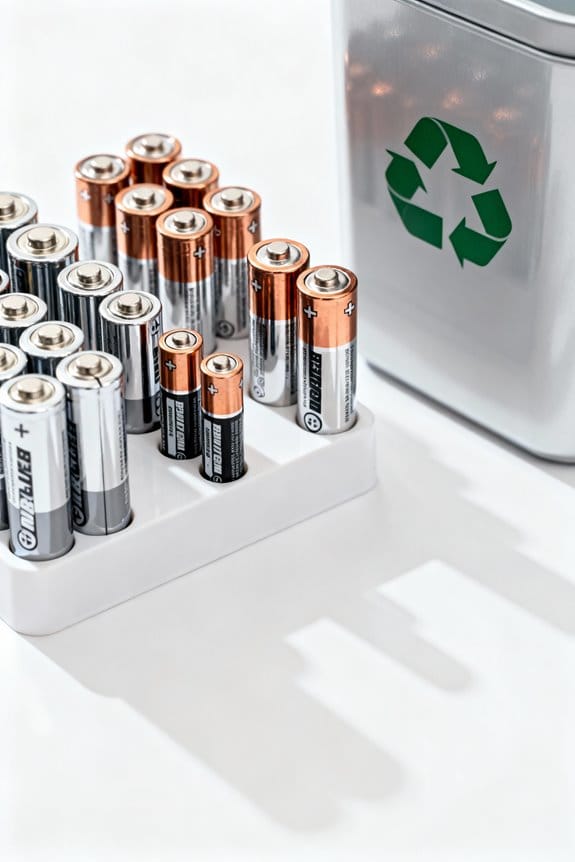
How to Safely Dispose of Old AA and AAA Batteries

Old AA and AAA batteries, typically alkaline or rechargeable Ni-MH types, require careful disposal to avoid toxic metal leaching and environmental hazards; taping terminals with non-conductive tape prevents short circuits, while sorting by chemistry guarantees proper processing. Most municipalities and retailers offer designated drop-off points or mail-in programs like Call2Recycle, facilitating secure recycling. Alkaline batteries may be landfill-safe in some areas, but rechargeable batteries demand stricter handling. Further details reveal how local guidelines and safety practices optimize battery disposal.
Key Takeaways
- Tape exposed battery terminals with non-conductive tape to prevent short circuits before disposal or recycling.
- Sort batteries by type: recycle rechargeable (Ni-Cd, Ni-MH) separately from alkaline batteries.
- Use designated drop-off locations at retailers like Batteries Plus or call2recycle.org for safe recycling.
- Follow your local municipality’s guidelines, as some areas allow curbside recycling for rechargeable batteries.
- Store batteries in non-metal, fireproof containers in ventilated spaces until properly recycled or disposed of.
Understanding AA and AAA Battery Types
Although AA and AAA batteries are among the most ubiquitous power sources in everyday household devices such as remote controls, flashlights, and toys, their chemical compositions and performance characteristics differ considerably; primarily, these batteries are produced using either alkaline or zinc-carbon chemistries, with alkaline types favored for their extended shelf life of up to 7-10 years and energy densities approximately 10-20% higher than zinc-carbon counterparts, which typically exhibit shorter longevity and lower current output. Additionally, rechargeable batteries such as nickel-cadmium (Ni-Cd) and nickel-metal hydride (Ni-MH) are alternatives that offer repeated use but require proper recycling options due to hazardous materials. Users should distinguish among these types to apply correct disposal methods and consult local recycling options, as many municipalities provide drop-off locations or curbside collection specifically for AA and AAA batteries, promoting environmentally responsible handling. Utilizing battery recycling containers designed for safe storage and transport can further enhance responsible battery disposal practices.
Environmental and Safety Risks of Improper Disposal
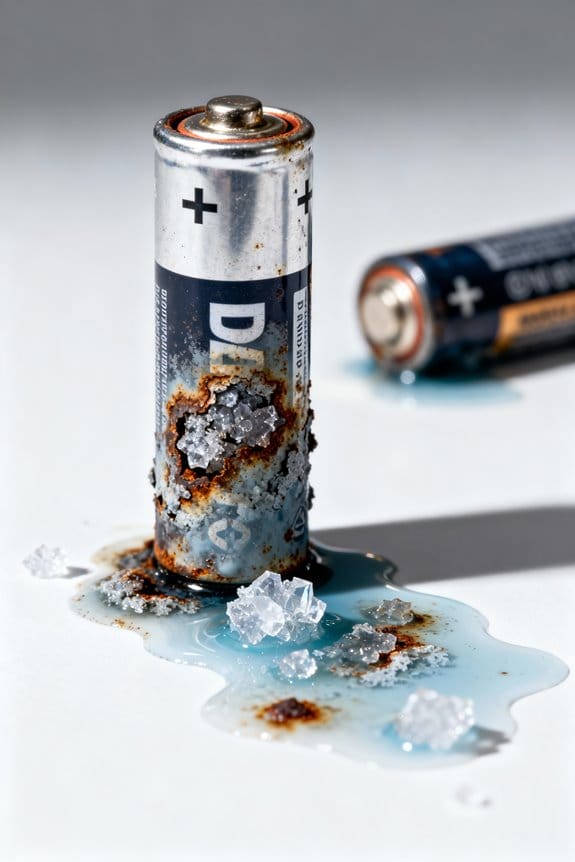
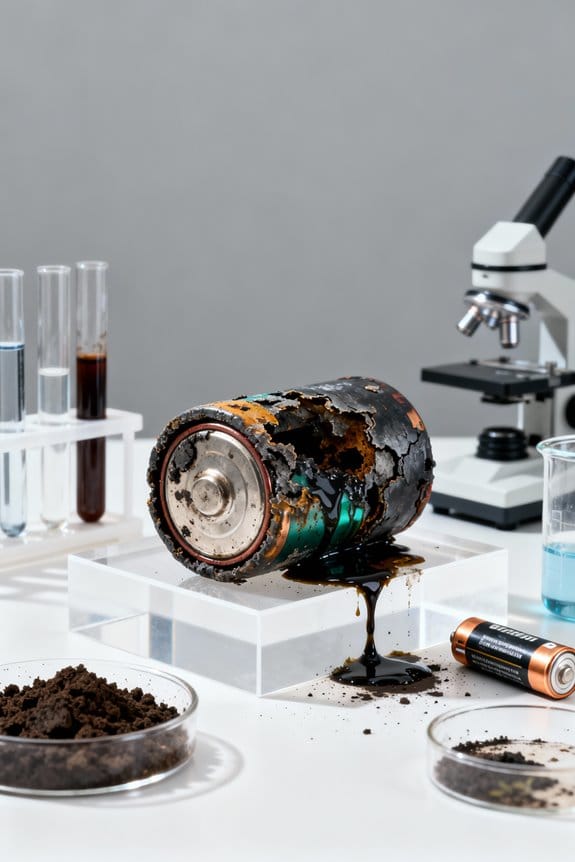
When AA and AAA batteries are discarded improperly, the chemical constituents—such as mercury, lead, and cadmium—can leach into soil and groundwater, posing significant environmental hazards through bioaccumulation in local ecosystems; in addition, an estimated 97% of single-use batteries are currently relegated to landfills, where their decomposition can span multiple decades, thus prolonging toxic metal exposure. Disposing of batteries in the trash, which classifies them as household hazardous waste, not only risks environmental contamination but can also pose a threat to waste management facilities due to potential fires ignited by damaged lithium components. Since small batteries often go undetected during waste processing, toxic materials may enter the environment unchecked. Hence, it is vital to properly dispose of batteries and recycle your batteries to mitigate these significant waste-related environmental and safety risks. Certified recycling centers follow strict RCRA regulatory frameworks to ensure safe and compliant battery disposal.
Identifying Local Battery Recycling Options
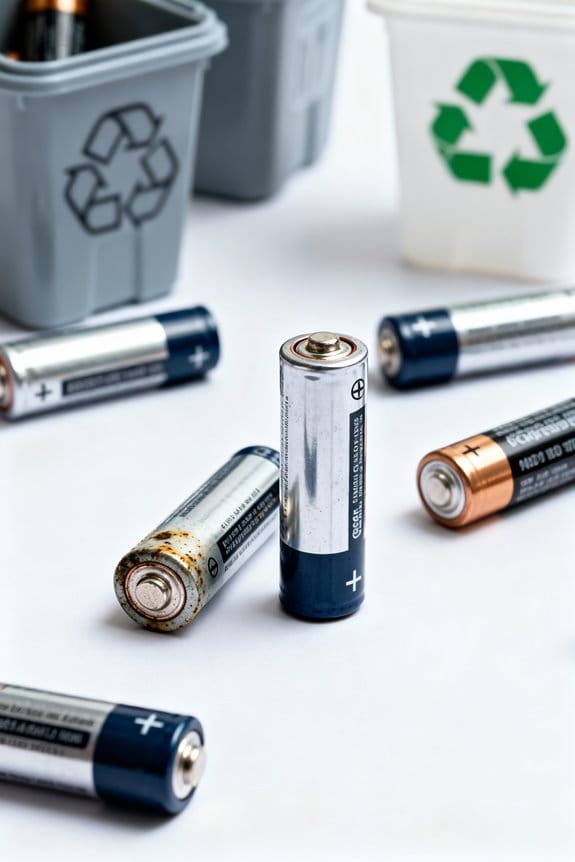
Where can consumers find reliable and convenient options for recycling AA and AAA batteries in their local areas? Many municipalities implement household battery recycling collection programs with designated drop-off locations, indicated on local government websites for ease of access. Major retailers, including Batteries Plus and Home Depot, also offer accessible drop-off points specifically for AA, AAA, and rechargeable AA batteries, expanding consumer options beyond municipal services. Additionally, the Call2Recycle initiative provides an online locator tool to identify nearby recycling sites, streamlining the process. While some jurisdictions permit inclusion of rechargeable AA batteries in curbside recycling, locals should verify pertinent local guidelines, as regulations vary widely. Although alkaline batteries are often deemed safe for trash disposal, compliance with specific state laws governing rechargeable battery disposal remains critical for environmental safety and responsible household battery recycling. To ensure safe handling, consumers should use battery collection containers designed to prevent leaks and short circuits when storing batteries for recycling.
Preparing AA and AAA Batteries for Recycling
Guaranteeing safe and efficient recycling of AA and AAA batteries begins with proper preparation, which includes taping exposed terminals with non-conductive materials such as electrical or masking tape to prevent inadvertent short circuits that could trigger fires during transit or storage. Preparing AA and AAA batteries also involves sorting by type—alkaline versus rechargeable—since distinct battery chemistries often entail specific handling requirements at the recycling facility. Users should store batteries in non-metal containers, like cardboard or plastic boxes, placed in well-ventilated areas to minimize safety risks. Adherence to local guidelines and recycling programs is vital, as acceptance policies vary and some facilities may request advance confirmation regarding battery types and preparation methods. Thorough compliance with these protocols guarantees efficient processing while mitigating hazards linked to improper handling or shipment of used batteries. Using fireproof and impact-resistant storage boxes is recommended to further reduce safety risks during storage and transportation.
Retail and Mail-In Battery Recycling Programs
Although battery disposal poses challenges due to varied chemistries and safety concerns, numerous retail and mail-in recycling programs have streamlined the process for AA and AAA batteries, providing accessible options including over 2,000 drop-off locations at major retailers like Batteries Plus and Home Depot, where recycling services are typically free, though some fees may apply based on battery quantity or type; additionally, mail-in initiatives such as Call2Recycle’s Battery & Cellphone Recycling Kit facilitate secure shipment of used batteries at no charge, supported by databases like Earth911 to locate nearby facilities, all within the framework of regulatory requirements in several states mandating battery recycling to reduce environmental impact and conserve finite resources. These combined retail and mail-in programs enhance local recycling options, promoting responsible disposal and resource conservation. For installations exposed to the elements, selecting rustproof materials can ensure longer-lasting and safer battery disposal units in outdoor settings.
Best Practices for Battery Use and Storage
When batteries such as AA and AAA types are stored improperly, they risk short-circuiting, leakage, and accelerated capacity loss, which can be avoided by keeping them in their original packaging or a non-conductive container; additionally, storing batteries in a dry, cool environment maintained at approximately 20 to 22 degrees Celsius helps minimize chemical degradation over time, thereby extending functional lifespan. Best practices to store batteries include using the correct size and type as specified by device manufacturers to maintain device efficiency and prevent performance issues. Removing depleted batteries promptly prevents leakage and environmental harm. Mixing old and new batteries or different brands is discouraged to promote safety and peak device function. Adhering to these guidelines facilitates extended battery lifespan and supports safe disposal protocols, minimizing risks associated with battery misuse. For long-term reliability, choosing batteries with verified 10-year shelf life ratings and leak-resistant packaging is highly recommended.
Frequently Asked Questions
How to Get Rid of AA and AAA Batteries?
Individuals seeking to get rid of AA and AAA batteries should utilize battery recycling options such as local recycling centers, hazardous waste facilities, and battery collection programs to promote environmentally friendly disposal and cultivate eco-conscious habits and sustainable alternatives.
Is It Okay to Throw Dead Batteries in the Garbage?
Throwing dead batteries in the garbage depends on battery types and local regulations. Safe disposal often involves battery recycling through community programs to minimize hazardous waste and reduce environmental impact, ensuring compliance with specific regional guidelines.
Can You Throw Away Batteries in Oregon?
Like a guardian protecting a fragile treasure, Oregon enforces battery disposal regulations mandating alkaline batteries in trash but rechargeable ones follow hazardous waste guidelines. Oregon recycling programs, battery drop off locations, community battery drives, and recycling rewards programs encourage environmentally safe methods.
Do I Need to Tape the Ends of AA Batteries Before Disposal?
Taping the ends of AA batteries aligns with battery safety tips and disposal guidelines, reduces environmental impact, and complies with local regulations. This method guarantees safe storage, prevents hazards across battery types, and supports effective recycling options.