As an Amazon Associate, we earn from qualifying purchases. Some links on this site are affiliate links at no extra cost to you. Our recommendations are based on thorough research and editorial judgment.

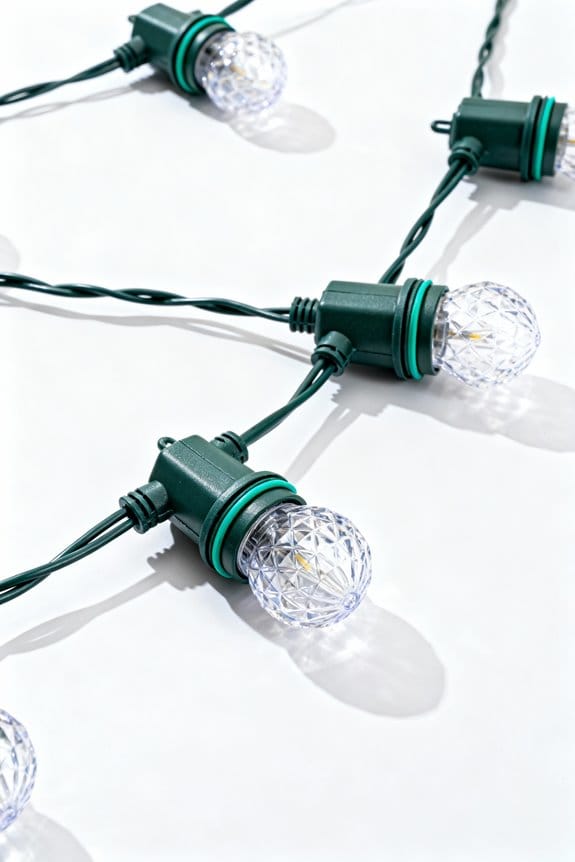
How Weatherproofing Works in Outdoor String Light Designs

Weatherproofing in outdoor string light designs relies on IP ratings, typically IP44 or higher, to guarantee protection against water splashes and dust intrusion. Components incorporate durable materials such as rubber, PVC, and shatterproof plastics, often treated with UV-resistant coatings to prevent sunlight degradation. Sealed connections use silicone and waterproof casings to block moisture and optimize electrical safety. Testing involves exposure to water jets and solid particles to validate performance. Further insights reveal advanced design features and maintenance practices.
Key Takeaways
- Weatherproofing uses sealed connections and silicone sealants to block moisture and prevent short circuits in outdoor string lights.
- Outdoor string lights feature waterproof sockets and silicone seals that prevent water intrusion and maintain electrical safety.
- IP ratings like IP44 and IP65 quantify dust and water resistance, guiding weatherproof design requirements for durability.
- Use of durable materials such as rubber, PVC, and shatterproof plastics enhances impact resistance and water shielding.
- Regular maintenance includes inspecting seals, cleaning debris, and ensuring secure bulb fittings to sustain weatherproof integrity.
The Necessity of Weatherproofing for Outdoor Lights
Although outdoor string lights are designed to enhance ambiance and visibility, their exposure to environmental elements such as rain, snow, and humidity necessitates robust weatherproofing measures to prevent moisture-induced short circuits and electrical hazards. Weatherproofing involves the incorporation of materials and techniques that resist water infiltration, including the use of waterproof electrical tape for sealing connections. Lights rated with an IP65 or higher certification demonstrate the ability to withstand heavy water jets and dust penetration, making them suitable for prolonged outdoor exposure. Ensuring that all electrical components are adequately sealed not only protects against immediate damage but also prolongs lifespan and reduces repair costs over time. Regular inspection of seals and protective coatings remains essential to maintain weatherproof integrity, thereby securing safe operation and durability under variable weather conditions. Selecting lighting with IP65 ratings ensures dependable protection against dust and water, which is crucial for outdoor durability.
Key Components of Weatherproof Outdoor String Lights
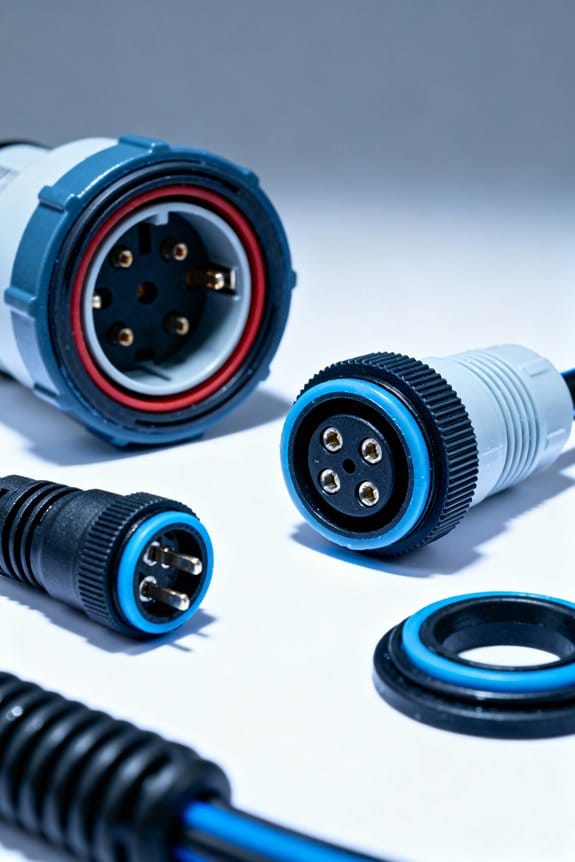
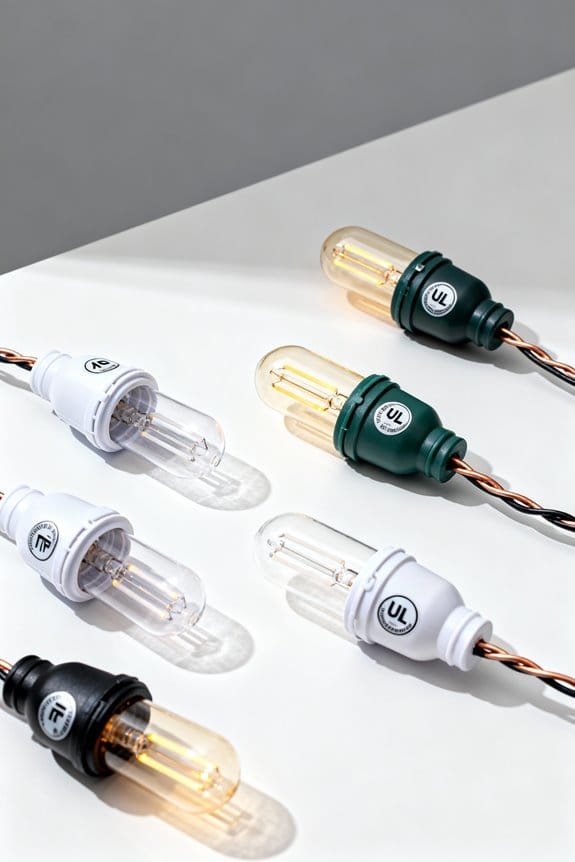
A fundamental aspect of weatherproof outdoor string lights lies in the integration of multiple key components designed to guarantee reliable performance under varied environmental stresses, including moisture, dust, and temperature fluctuations. Central to this design is the achievement of an IP (Ingress Protection) rating of at least IP44, which signifies resistance to solid particles larger than 1mm and water splashing from any direction. These lights incorporate durable materials such as rubber, PVC, and shatterproof plastics, selected specifically to endure exposure without physical or functional degradation. Additionally, effective waterproof rating adherence is maintained through meticulous sealing around electrical connections using waterproof tape and silicone sealants, preventing moisture intrusion that could cause shorts. Collectively, these components ascertain stable operation and longevity in diverse outdoor conditions. Moreover, leading products typically feature an IP65 water resistance standard to ensure enhanced protection and reliability in harsher weather conditions.
Materials Used in Weather-Resistant String Lights
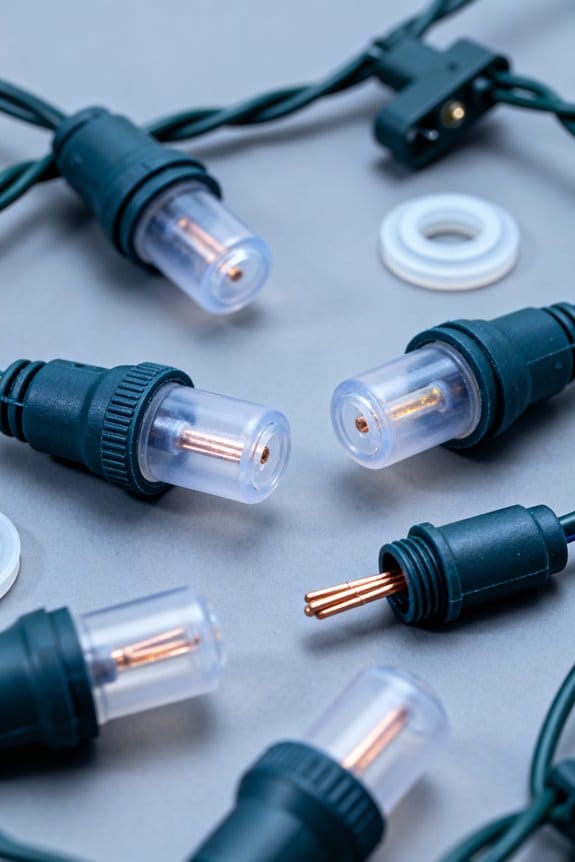
Weather-resistant string lights achieve durability through the strategic use of materials such as rubber, polyvinyl chloride (PVC), and shatterproof plastics, each contributing specific protective qualities that address environmental challenges including prolonged rain exposure, freezing temperatures, and ultraviolet radiation. These materials offer flexibility and resilience, with PVC providing excellent water resistance and rubber enhancing impact absorption. Weatherproof electrical connections, incorporating waterproof sockets and silicone seals, prevent moisture intrusion, maintaining safe operation under wet conditions. In addition, weather-resistant string lights often meet or exceed IP ratings of IP44 or higher, ensuring reliable defense against dust and water ingress based on standardized testing protocols. UV-resistant coatings further extend their service life by mitigating material degradation from sunlight exposure, while thermally stable LED bulbs reduce overheating risks, collectively supporting consistent outdoor performance. Many high-quality options also feature IP65 ratings, which confirm their ability to withstand harsh weather conditions such as rain and snow.
The Role of IP Ratings in Waterproof Lighting
When selecting outdoor string lights, understanding Ingress Protection (IP) ratings is essential, as these standardized codes quantify the degree of defense electrical devices have against solid particles and liquids, with the first digit ranging from 0 to 6 indicating protection against dust and debris, and the second digit from 0 to 9 addressing various levels of water resistance. For waterproof outdoor string lights, an IP rating of IP44 or higher is advisable, as it guarantees tolerance to water splashes and solid interference. Higher ratings, such as IP65, indicate resilience against strong water jets, thereby providing enhanced durability amid severe weather conditions. These ratings are determined through rigorous testing protocols simulating exposure to dust ingress and controlled water sprays, safeguarding electrical integrity and minimizing malfunction risk in outdoor environments prone to dynamic weather challenges. Many outdoor solar lights with an IP65 waterproof rating ensure reliable performance even in heavy rain or snow, extending their operational lifespan.
Design Features That Prevent Moisture Intrusion
Although high Ingress Protection (IP) ratings, such as IP65 or above, effectively indicate resistance to water jets and dust, the prevention of moisture intrusion in outdoor string lights also relies heavily on specific design features including hermetically sealed connections and waterproof casings surrounding bulbs and wiring; these elements are engineered to create impermeable barriers that block liquid infiltration into electrical components, consequently minimizing short circuits and corrosion risks. Additionally, the use of silicone sealants and waterproof electrical tape secures exposed wiring against water exposure. Durable, UV-resistant plastics and rubber insulations protect internal circuits from environmental damage. Shatterproof bulbs coated with weather-resistant materials further enhance waterproof performance, ensuring string lights maintain functionality and longevity even under prolonged rain and humidity, thereby delivering reliable outdoor illumination with reduced maintenance needs. Moreover, selecting string lights with IP65 waterproof ratings ensures commercial-grade constructions that withstand harsh environmental conditions for lasting durability.
Comparing Water-Resistant and Waterproof Light Strings
Since outdoor string lights encounter varied environmental conditions, understanding the distinctions between water-resistant and waterproof models is essential for selecting appropriate fixtures; water-resistant string lights generally possess an IP rating of IP44 or below, indicating protection against water splashes but inadequate defense against heavy rain or jets, whereas waterproof lights meet or exceed IP65, ensuring thorough defense against strong water jets and dust ingress. Water-resistant lights may perform adequately in light rain or humidity but risk damage with prolonged exposure to moisture, while waterproof string lights incorporate robust sealing and UV-resistant coatings to withstand continuous outdoor use. Additionally, waterproof models feature well-sealed electrical components that prevent moisture intrusion, enhancing durability and safety compared to water-resistant lights, which often contain exposed connections vulnerable to water damage. When selecting outdoor equipment, materials with UV-stabilized properties and weatherproof performance rated to withstand harsh conditions should be prioritized to ensure longevity and reliability.
Electrical Safety Measures in Weatherproof Designs
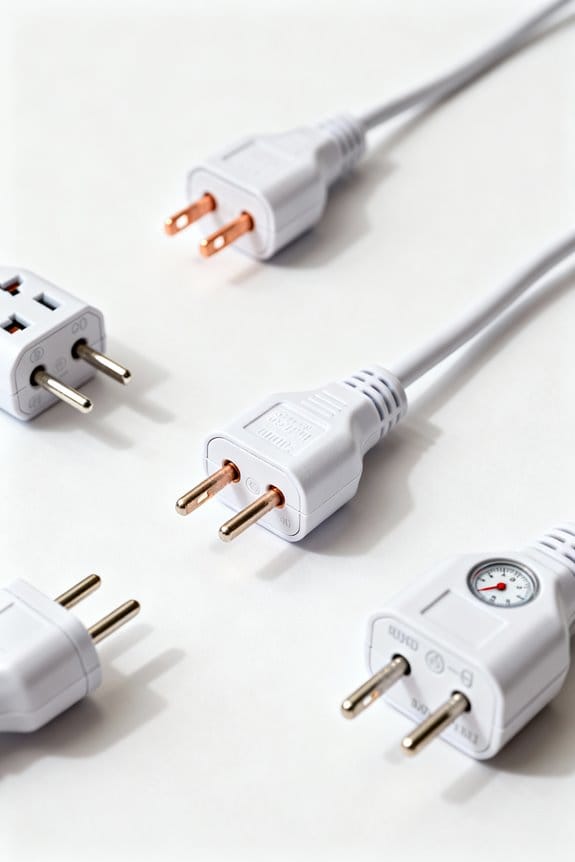
Ensuring electrical safety in weatherproof outdoor string lights depends heavily on the integration of sealed connections that effectively prevent moisture intrusion, thereby minimizing potential short circuits or shock hazards; this design approach commonly involves adopting IP65 or higher-rated enclosures, which are rigorously tested to withstand water jets at a flow rate of 12.5 liters per minute from any direction and provide complete dust protection, ensuring reliable operation under wet and dusty outdoor conditions. Additional measures include the use of waterproof electrical tape and silicone sealants at wiring junctions to further block moisture intrusion, alongside selecting LED bulbs rated for outdoor use, which reduce overheating risks. Regular inspections for damaged wires and compromised seals also play a crucial role in maintaining electrical safety, preserving the performance and longevity of weatherproof outdoor string lights in changing environments. Furthermore, choosing products with built-in overload protection enhances safety by preventing overheating and potential fire hazards during use.
Common Challenges in Outdoor String Light Weatherproofing
When exposed to environmental elements such as rain, snow, and humidity, outdoor string lights encounter several significant challenges that can compromise their integrity and functionality, especially if they lack robust waterproofing measures rated at IP65 or higher, which are verified to endure water jets at a minimum flow rate of 12.5 liters per minute from all directions; string lights labeled merely as water-resistant often tolerate only minimal moisture and may fail under prolonged or heavy exposure, increasing the risk of short circuits and electrical degradation. Electrical connections are especially vulnerable, as moisture intrusion at wiring junctions and fixture bases can degrade performance and cause failure. Additionally, improper installation in low-lying areas can promote water pooling, worsening moisture exposure. These challenges necessitate rigorous weatherproof design and regular maintenance to preserve operational safety and durability. Incorporating materials and components with IP67 ratings similar to those used in rugged solar power banks can significantly enhance water and dust resistance for outdoor lighting solutions.
Applying Protective Coatings and Sealants
Applying protective coatings and sealants constitutes a critical step in enhancing the resilience of outdoor string lights against moisture and environmental exposure, where waterproofing sprays applied in thin, uniform layers form a vapor-tight barrier that mitigates damage without impairing electrical functionality. Silicone sealants are typically employed to fill gaps around wiring and fixture joints, effectively preventing water intrusion and maintaining electrical safety under wet conditions. Additionally, applying waterproof electrical tape around exposed wiring connections further reduces risks of short circuits by sealing these vulnerable points against water exposure. It is crucial to select products specifically rated for outdoor use, as non-weatherproof alternatives often degrade when subjected to prolonged UV radiation and temperature fluctuations. Regular inspection following application guarantees the coating and sealing integrity remains intact, preserving the string lights’ operational longevity. For consistent performance in varying environmental conditions, considering battery chemistry and capacity is essential to ensure reliable power output in outdoor setups.
Installation Best Practices to Enhance Durability
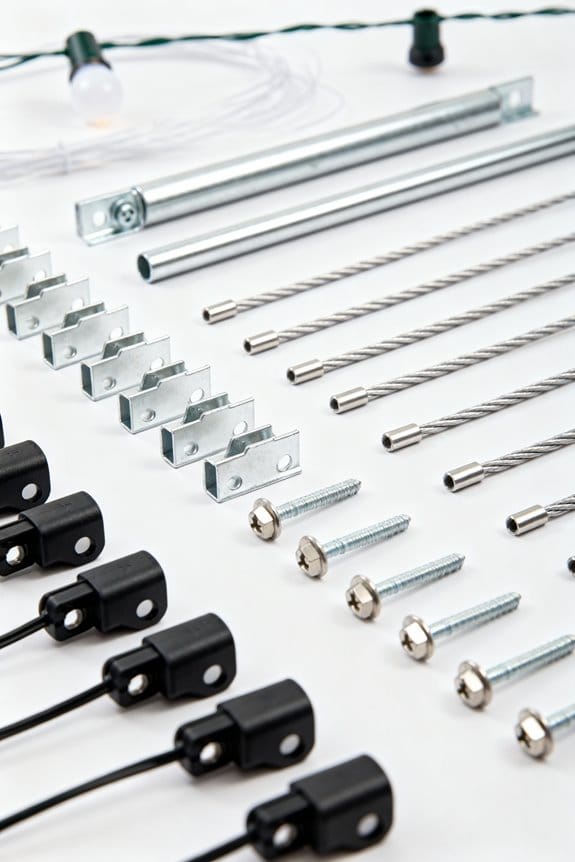
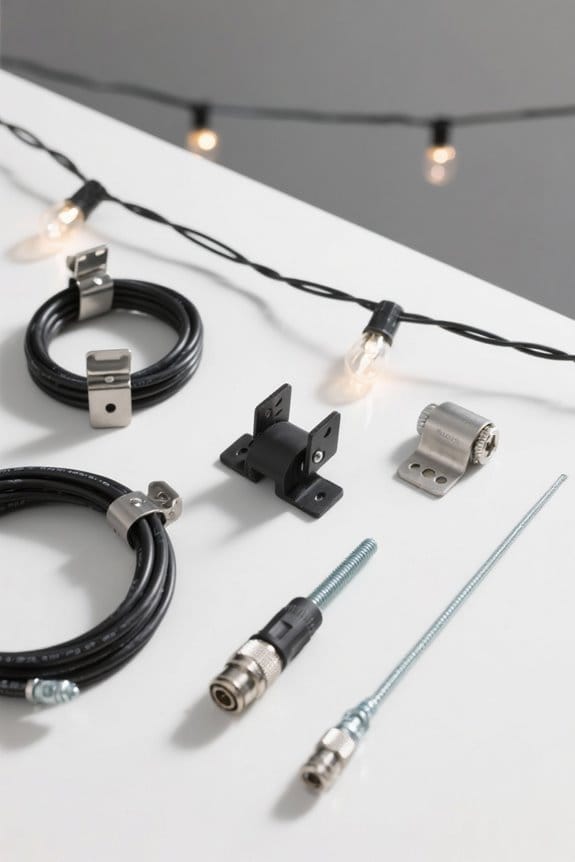
A fundamental aspect of maximizing the operational lifespan of outdoor string lights involves selecting products with a minimum IP44 rating, which guarantees protection against ingress of solid particles larger than 1 mm and water splashes from any direction, thereby mitigating common environmental hazards such as dust accumulation and rain exposure. Installation best practices recommend using heavy-duty hooks or adhesive clips engineered for outdoor environments, which secure fixtures firmly to prevent sagging or detachment during adverse weather conditions. Preparing attachment surfaces by thorough cleaning enhances adhesion, minimizing risk of premature failure. Additionally, periodic inspection following severe weather events ensures continuity of weatherproofing seals and prevents water infiltration. To further protect your outdoor setup, consider power sources with thermal stability features to withstand temperature fluctuations common in outdoor conditions. These strategic measures collectively optimize outdoor string lights’ durability and functionality, reinforcing their weather-resistant design without compromise.
Maintenance Tips for Weatherproof String Lights
Routine inspections of outdoor string lights play an essential role in preserving their weatherproof integrity, necessitating verification that all bulbs remain securely tightened and that no physical damage, such as cracked casings or exposed wiring, compromises the IP44 or higher protection standards. Effective maintenance tips include cleaning with a soft cloth and mild soap to remove dirt and debris, which guarantees peak waterproofing abilities and adherence of protective sprays. During service, it is critical to confirm that all electrical components are carefully sealed using waterproof tape and silicone sealants to prevent moisture intrusion. Additionally, storing lights in cool, dry environments during off-seasons minimizes deterioration caused by temperature fluctuations or humidity, while keeping the installation area free from debris limits water accumulation and potential short circuits, thereby preserving functional longevity.
Advances in Weatherproof Technology for Outdoor Lighting
Enhancements in weatherproofing technologies have markedly increased the resilience of outdoor string lights, with recent models achieving IP65 or higher ratings that certify protection against dust ingress and water jets from any angle, a substantial improvement over earlier IP44 standards typically resistant only to splashing water. Modern outdoor lighting incorporates weatherproof technology such as silicone sealants that prevent moisture intrusion in electrical components, reducing short circuits and hazards. Shatterproof bulbs combined with UV-resistant coatings improve durability against impacts and sun damage, while materials like flexible rubber and robust PVC offer enhanced environmental resistance without compromising energy efficiency. Additionally, thin-layer waterproofing sprays protect surfaces without affecting aesthetics or performance, collectively elevating product lifespan and reliability in diverse weather conditions, thereby setting new industry benchmarks for outdoor lighting durability linked to the IP65 rating.
Frequently Asked Questions
How to Make Outdoor Lights Waterproof?
Approximately 65% of outdoor light failures stem from water damage. Waterproof materials and string light covers protect bulbs, while sealing outdoor wiring with silicone seals prevents moisture. This combination markedly enhances durability and performance outdoors.
How to Protect Outdoor String Lights From Rain?
Protecting outdoor string lights from rain involves using moisture resistant bulbs, employing outdoor light covers for added shielding, and strategic string light placement in sheltered areas to minimize exposure, ensuring enhanced durability and consistent performance during wet conditions.
How Do You Shield an Outdoor Light?
Though some think shielding outdoor lights is complex, using durable outdoor lighting materials combined with LED technology benefits enhances string light durability. Proper sealing and strategic placement effectively shield lights from environmental damage, ensuring long-lasting performance.
How to Waterproof Outdoor Electrical Connections for Christmas Lights?
To waterproof outdoor electrical connections for Christmas lights, one must use waterproof electrical tape, silicone sealants around junctions, and outdoor-rated connectors, ensuring moisture protection and maintaining electrical safety in all outdoor lighting setups.