As an Amazon Associate, we earn from qualifying purchases. Some links on this site are affiliate links at no extra cost to you. Our recommendations are based on thorough research and editorial judgment.

What to Do If a Child Swallows a Battery

If a child swallows a button battery, immediate medical attention is critical, as chemical burns and esophageal damage can occur within 15 minutes; caregivers should not induce vomiting or perform the Heimlich maneuver but, for children over 12 months, administer 2 teaspoons of honey every 10 minutes and contact Poison Control or the National Battery Ingestion Hotline at 800-498-8666. Prompt X-rays are necessary to locate the battery and prevent complications like perforations and strictures. Additional precaution and care protocols follow.
Key Takeaways
- Immediately seek emergency medical attention by calling 911 or visiting the nearest emergency room.
- Do not induce vomiting or perform Heimlich maneuvers to avoid worsening the injury.
- For children over 12 months, give 2 teaspoons of honey every 10 minutes while awaiting medical help.
- Watch for symptoms like drooling, chest discomfort, coughing, or choking indicating possible esophageal injury.
- Contact Poison Control at 1-800-222-1222 or the National Battery Ingestion Hotline at 800-498-8666 for expert guidance.
Understanding Button Batteries and Their Risks
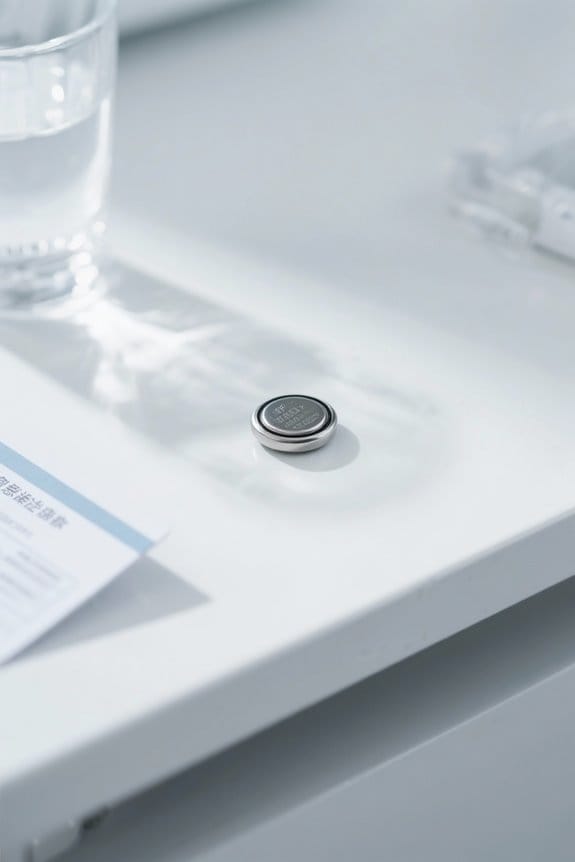
What makes button batteries particularly hazardous when ingested by children lies in their small, coin-shaped design, which enables them to be easily swallowed; these batteries—commonly found in everyday objects such as toys, watches, and hearing aids—pose serious risks due to their chemical composition and electrical charge. Each year, approximately 2,500 children in the U.S. experience button battery ingestion, with incidents increasing by over 90% recently. Upon swallowing, these batteries can cause severe damage to the esophagus within as little as 15 minutes, as chemical reactions generate burns and tissue injury. Prompt medical attention is critical; caregivers should seek emergency room immediately if ingestion is suspected, closely monitoring for symptoms to look for such as coughing, drooling, or refusal to eat, and must avoid inducing vomiting or administering food or drinks. Utilizing proper disposal methods for batteries can help mitigate environmental impact and reduce the risk of accidental ingestion by children.
Recognizing Symptoms of Battery Ingestion
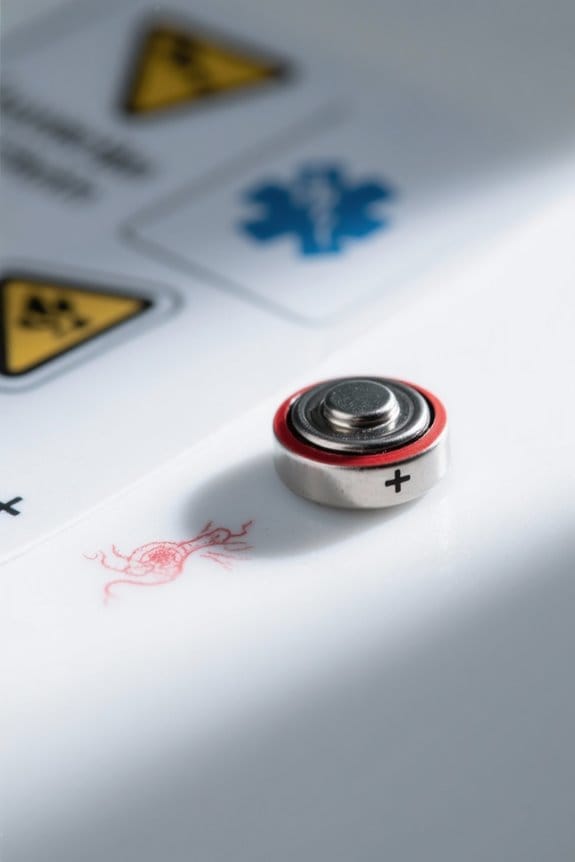
Identifying the symptoms of button battery ingestion can be challenging due to their overlap with common childhood ailments; however, understanding the specific clinical manifestations is vital for timely intervention. When a button battery is swallowed, symptoms may include refusal to eat or drink, coughing or choking during meals, and chest discomfort indicative of esophageal injury. Additionally, excessive drooling, noisy breathing, and hoarseness can signal airway obstruction caused by the battery’s presence. In more severe cases, abdominal pain, vomiting, and bloody stool may develop, reflecting internal injury beyond the esophagus. Because chemical burns can occur within 15 minutes of ingestion, prompt recognition of these symptoms in a child is important to prevent serious and potentially life-threatening damage. Thermal protection features in battery welding machines highlight the importance of safety mechanisms, which are crucial in preventing overheating and related hazards.
Immediate Steps to Take After Suspected Battery Swallowing
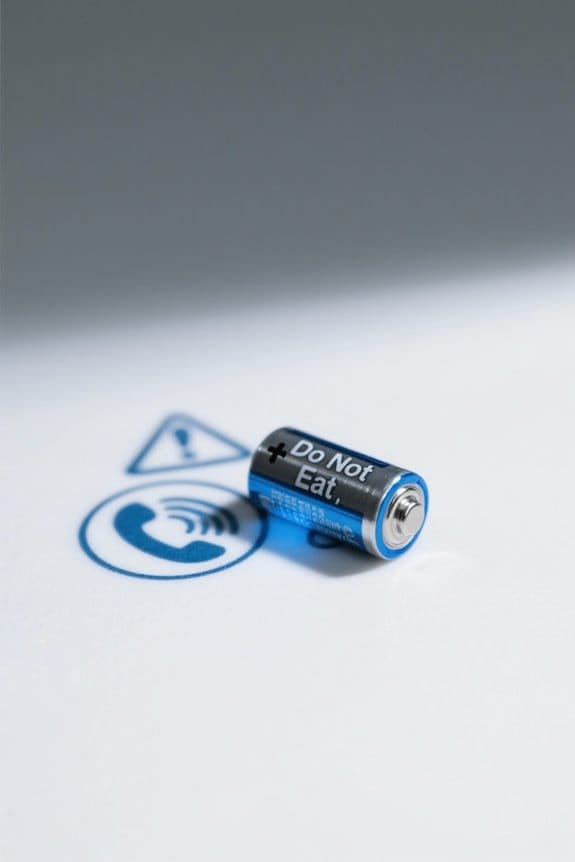
How quickly intervention occurs following the suspicion of button battery ingestion considerably influences the extent of internal injury, as chemical burns can begin within 15 minutes of swallowing. If a child has swallowed a button battery, immediate medical attention is paramount; caregivers should promptly call 911 or proceed to the nearest emergency room. Do not induce vomiting or perform the Heimlich maneuver, as these may exacerbate injury, especially if the battery gets stuck in the esophagus. For children over 12 months old, administering 2 teaspoons of honey every 10 minutes can reduce esophageal damage while en route to care. Contact Poison Control right away or the National Battery Ingestion Hotline at 800-498-8666 for expert guidance. Medical personnel must be informed about the battery ingestion to conduct necessary diagnostics such as X-rays. It’s crucial to remember that proper disposal of hazardous batteries is essential to prevent such incidents, as it minimizes the chance of children accessing them.
Why Prompt Emergency Care Is Crucial
Because button battery ingestion can cause severe chemical burns and tissue necrosis within as little as 15 minutes of esophageal exposure, prompt emergency care remains essential for reducing injury severity and improving patient outcomes. Each year, approximately 2,500 children in the U.S. undergo treatment after swallowing batteries, underscoring the urgency of immediate intervention. When a battery lodges in the esophagus, emergency departments employ X-rays to ascertain its precise location and determine timely treatment strategies. If removal is delayed beyond two hours, the risk of escalating damage—including esophageal perforation and long-term swallowing difficulties—increases substantially. Consequently, prompt medical evaluation and endoscopic retrieval, if necessary, are critical tactics for minimizing injury and avoiding lifelong complications related to tissue damage caused by the electrical and chemical effects of button batteries inside the esophagus. For added safety, consider installing weatherproof outdoor lights around your home to prevent children from accessing potentially dangerous areas and objects.
The Role of Honey in Mitigating Esophageal Injury
In addition to rapid medical interventions aimed at removing button batteries, the administration of honey has emerged as a valuable pre-hospital measure for children older than 12 months who have ingested these items. Honey’s viscosity creates a protective coating on the esophagus, reducing tissue contact with the battery and slowing the chemical reaction that causes injury. The recommended dosage is 2 teaspoons (10 ml) every 10 minutes, up to six doses, until medical professionals can provide definitive care. Poison Control centers endorse this approach as an adjunct, emphasizing it must never delay emergency treatment. Honey’s efficacy is attributed to its ability to diminish the severity of alkaline burns triggered when saliva interacts with batteries, ultimately mitigating esophageal injury severity while awaiting professional intervention. In many cases, products with waterproof ratings ensure safe operation in outdoor environments, which similarly emphasizes the importance of protective measures to prevent damage or injury.
Medical Procedures for Battery Removal
Immediate medical evaluation after a child swallows a button battery typically involves radiographic imaging, such as an X-ray, to accurately determine the battery’s location within the gastrointestinal tract; if lodged in the esophagus, endoscopic removal is generally required and ideally performed within two hours post-ingestion to minimize the risk of severe tissue necrosis and perforation. The medical approach prioritizes removing the battery promptly to prevent extensive tissue damage and injury to the esophagus. When symptoms indicate pain or discomfort, immediate endoscopic intervention becomes crucial. In asymptomatic cases, repeat X-rays within 7 to 14 days monitor potential complications or battery migration. During treatment, healthcare professionals assess essential signs and gastrointestinal stability, tailoring interventions based on battery location and extent of esophageal injury, thereby optimizing outcomes while minimizing long-term harm from delayed removal. It’s important to ensure weatherproofing check on outdoor wiring to prevent damage, which can be as crucial as inspecting medical equipment for safety and functionality.
Potential Long-Term Complications of Battery Ingestion
Swallowing button batteries poses a significant risk of long-term complications due to the rapid onset of tissue damage that can begin within 15 minutes, leading to severe burns and erosions in the esophagus and gastrointestinal tract; this risk is underscored by data showing that over 40,400 children received treatment for battery-related injuries in the U.S. between 1997 and 2010, with approximately 2,500 cases reported annually. When a button battery lodges in the esophagus, it can cause serious injuries such as strictures, perforations, and chronic gastrointestinal issues, necessitating emergency medical interventions. Prompt contact with Poison Control and professional care minimizes morbidity, yet long-term complications remain a concern due to corrosive damage. These effects emphasize careful monitoring following swallowing a button battery, as ongoing evaluation for esophageal scarring or motility disorders is critical. If a child swallows a battery, choosing leak-resistant construction batteries might reduce the risk of chemical leakage, a contributing factor to severe internal damage.
Childproofing Your Home to Prevent Accidents
Efforts to mitigate the significant risks posed by button battery ingestion include proactive measures to childproof living environments, aiming to address the common sources of these hazardous items found in over 90% of households containing children under five years old. Key childproofing strategies involve securing battery compartments with child-safe closures or duct tape to prevent unauthorized access, while consistently monitoring children’s play areas to reduce unsupervised exposure. It is imperative to store button batteries, whether loose or in devices, out of sight and beyond reach, thereby minimizing ingestion likelihood. Regular inspection for potential battery-containing objects complements this approach. Additionally, the adoption of childproofing devices, such as cabinet locks and outlet covers, enhances environmental safety. Educating caregivers on these measures and the associated risks effectively contributes to preventing injury by reducing children’s opportunity to interact with button batteries. Some battery organizers in the market feature integrated testers which can help in regularly checking the health of batteries and reduce the chances of leaving defective ones accessible to children.
Common Household Items Containing Button Batteries
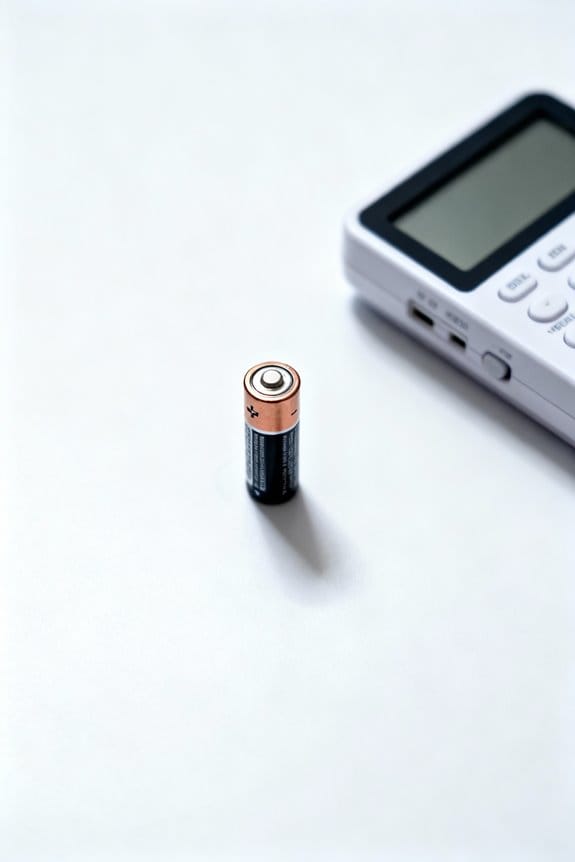
Button batteries, typically measuring between 5 and 20 millimeters in diameter and characterized by their small, shiny, disc-like shape, are embedded in numerous common household devices such as remote controls, wristwatches, hearing aids, key fobs, and children’s toys; these compact power sources have seen increased utilization due to their high energy density and long shelf life, inadvertently escalating the risk of accidental ingestion among children under four years old, for whom the batteries’ appealing appearance and size closely mimic edible items. Many common household items contain button batteries pre-installed, making identification and secure storage challenging, which raises the possibility a child swallows a button battery. Due to the ingestion risk, Poison Control centers emphasize vigilance among caregivers regarding these devices’ presence in homes with young children. Some battery testers have protective features to safely handle damaged or leaking batteries, which is crucial for preventing safety hazards.
Resources for Parents and Caregivers in Battery Ingestion Emergencies
Numerous critical resources exist to support parents and caregivers when confronted with a battery ingestion emergency, providing precise guidance to mitigate injury risk until professional treatment is accessed; these include dedicated hotlines such as the Poison Control number (1-800-222-1222) and the National Battery Ingestion Hotline (800-498-8666), both staffed by specialists trained in pediatric toxicology and emergency response protocols. In cases where a child is suspected to have ingested button batteries, caregivers are advised to immediately call 911 or proceed to the nearest children’s emergency room. Contacting Poison Control en route offers expert instructions, emphasizing avoidance of induced vomiting or oral intake, given the risk of esophagus damage. Additionally, the National Poison Center provides accurate, timely information critical to managing this pediatric emergency with minimal delay. Battery collection containers are also important for preventing such situations by ensuring that batteries are stored safely and disposed of properly.
Frequently Asked Questions
What to Give Your Child if They Swallow a Battery?
For battery ingestion, administering honey to children over 12 months may reduce esophageal injury. Recognizing battery symptoms prompts urgent first aid and emergency response, ensuring swift pediatric care regardless of battery types, urgency factors, and adherence to hospital procedures.
How to Remove Battery From Child’s Stomach?
Approximately 3,500 battery ingestion cases occur annually. Battery extraction methods rely on emergency medical procedures guided by x-ray identification techniques. Symptoms to monitor include pain or vomiting. Safe transportation guidelines and follow-up care recommendations help prevent potential complications.
What Happens if a Toddler Swallows an AA Battery?
Toddler battery ingestion symptoms include vomiting, coughing, and abdominal pain, requiring immediate emergency response. Dangerous battery types contain toxic contents causing severe injury. Medical treatment options vary; parenting preventive measures and battery safety tips are critical for prevention.
What Happens if a Battery Is in Your Stomach?
When a battery, especially button types, lodges in the stomach, swallowing hazards include chemical burns and bleeding. Emergency response involves X-rays, symptoms observation, and possible medical treatment. Preventive measures and safe practices reduce ingestion risks.