As an Amazon Associate, we earn from qualifying purchases. Some links on this site are affiliate links at no extra cost to you. Our recommendations are based on thorough research and editorial judgment.

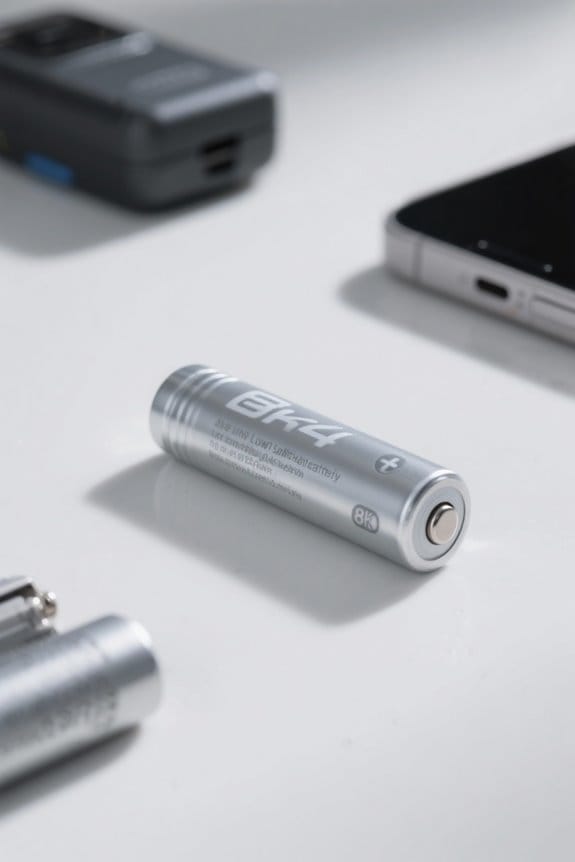
How Low Self-Discharge Technology Improved Rechargeable Batteries

Low self-discharge technology has improved rechargeable batteries by utilizing advanced electrode materials and specialized electrolytes that reduce charge loss to about 1-2% per month, allowing NiMH batteries to retain roughly 70% charge after one year, compared to traditional batteries that lose 20% within 24 hours. This innovation also extends battery cycle life to between 1000 and 1500 recharges, enhances reliability across temperature ranges, and cuts waste, demonstrating significant performance and environmental benefits. Further insights explain these advancements in detail.
Key Takeaways
- Low Self-Discharge technology reduces internal chemical reactions, significantly lowering charge loss in rechargeable batteries over time.
- It enables NiMH batteries to retain up to 70% charge after one year of storage, unlike traditional batteries.
- This technology extends battery cycle life to 1000-1500 recharges, enhancing longevity for intermittent use.
- Improved charge retention decreases flat battery occurrences, ensuring reliable power availability for devices.
- Advances in electrode materials and electrolytes through Low Self-Discharge tech promote eco-friendly, cost-effective battery solutions.
Understanding Battery Self-Discharge and Its Effects
Frequently overlooked in everyday usage, battery self-discharge denotes the inherent process by which rechargeable batteries lose electrical charge over time when not actively powering devices, with rates that depend heavily on the battery chemistry; for instance, lithium-ion cells typically demonstrate a modest self-discharge rate of roughly 1 to 2 percent per month, whereas conventional nickel-metal hydride (NiMH) batteries may shed between 10 and 20 percent of their charge within merely 24 hours. This energy loss results from ongoing chemical reactions inside the cells, which accelerate under elevated temperatures, negatively impacting battery life and performance. Proper storage conditions, usually ranging from 15 to 25 degrees Celsius, are essential in preserving battery capacity during long-term storage. Low self-discharge variants of NiMH batteries have markedly improved retention, maintaining approximately 70 percent charge after one year, thereby optimizing rechargeable batteries for practical use. These low self-discharge NiMH batteries retain 80-85% charge after 2-3 years, making them highly reliable for devices that are stored for extended periods.
The Science Behind Low Self-Discharge Technology
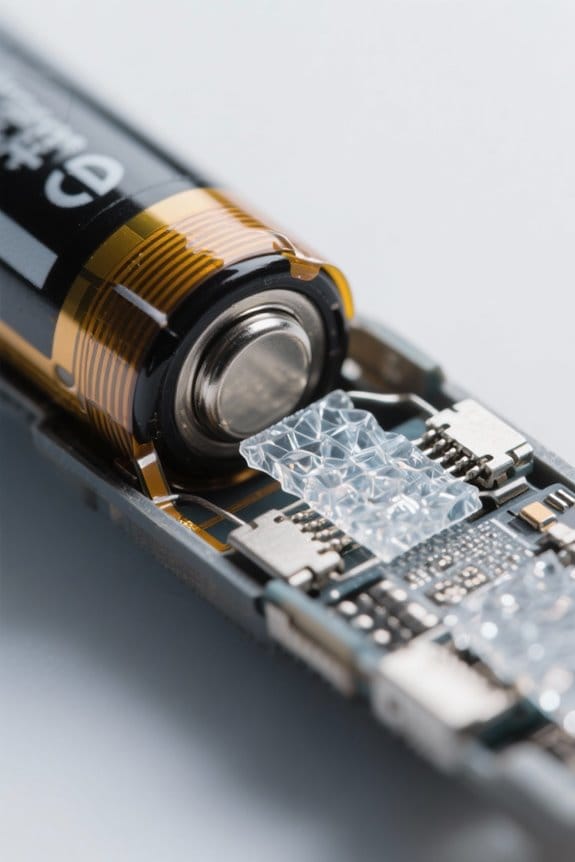
Building upon the understanding of how battery self-discharge naturally reduces stored charge over time, low self-discharge (LSD) technology addresses this limitation by incorporating advanced electrode materials and specially formulated electrolytes to curtail internal chemical reactions that cause premature energy loss. In NiMH batteries, LSD technology enables charge retention of up to 70% after several years of storage, compared to standard versions losing 10-20% within 24 hours. This is achieved by minimizing self-discharge rates through optimized charge storage pathways and chemical stability even under varied environmental conditions. Additionally, LSD NiMH rechargeable batteries often double the cycle life to approximately 1000–1500 recharges, enhancing battery performance for devices with intermittent use. These scientific improvements in electrode materials and electrolytes underpin the enhanced reliability and efficiency of modern LSD rechargeable batteries. The Eneloop Panasonic batteries exemplify this technology, demonstrating stable performance and long lifespan, making them ideal for users seeking durability and efficiency.
Advantages of Low Self-Discharge Batteries in Everyday Use
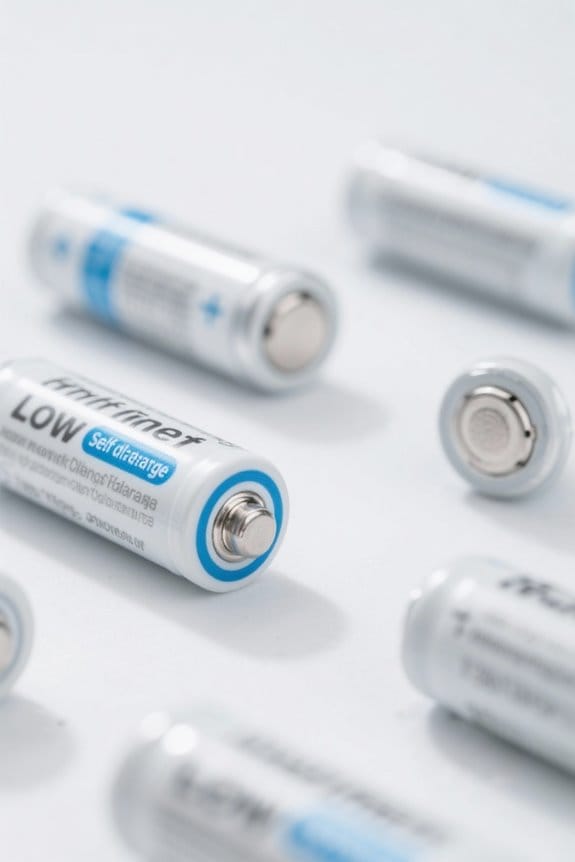
Although many rechargeable batteries begin to lose stored energy within hours of inactivity, low self-discharge (LSD) batteries, such as the Sanyo Eneloop series, demonstrate the ability to retain approximately 70% of their charge after one full year in storage, a stark improvement over standard NiMH batteries that typically lose around 20% within the first 24 hours. This enhanced charge retention reduces energy loss during periods of non-use, elevating reliability for emergency devices and everyday use. Additionally, LSD NiMH rechargeable batteries offer a longer lifespan, supporting 1000 to 1500 recharge cycles compared to conventional alternatives. Their reliable performance across varied temperatures further increases usability in diverse scenarios. As a result, users experience fewer instances of flat batteries, ensuring consistent power supply for cameras, remote controls, and other essential gadgets when needed most. High-capacity NiMH cells, recommended for high-drain devices, also benefit from low self-discharge technology, making them ideal for both frequent use and long-term storage.
Comparing Low Self-Discharge Batteries With Traditional Rechargeables
The superior charge retention characteristics of low self-discharge (LSD) NiMH batteries, such as those demonstrated by the Sanyo Eneloop series, set a benchmark for evaluating traditional rechargeable batteries, which tend to lose as much as 20% of their charge within the first 24 hours and up to 30% over a year of inactivity. In contrast, LSD rechargeable batteries maintain approximately 70% charge after one year, thanks to self-discharge rates averaging 1-2% per month, considerably outperforming traditional NiMH batteries. This improved shelf life elevates performance, especially in infrequently used devices, where immediate usability is critical. Additionally, LSD NiMH batteries provide up to 1500 recharge cycles, markedly surpassing traditional batteries whose higher self-discharge rates accelerate degradation. Rechargeable batteries mitigate the continuous waste generated from disposable alternatives, offering both environmental and economic benefits. These advancements demonstrate the clear benefits of LSD battery technology regarding longevity, reliability, and operational efficiency.
Future Developments and Innovations in Battery Technology
Advancements in rechargeable battery technology increasingly emphasize the enhancement of Low Self-Discharge (LSD) characteristics, as exemplified by LSD NiMH cells like the Sanyo Eneloop, which retain approximately 70% of their charge even after five years of storage under standard ambient conditions. Future developments leverage nanotechnology to improve electrochemical performance by optimizing electrode materials and electrolyte formulations, thereby reducing self-discharge rates and boosting energy retention. These innovations greatly extend shelf life compared to conventional batteries. Additionally, the integration of smart monitoring systems enables real-time tracking of self-discharge rates, facilitating proactive battery health management. Concurrently, interdisciplinary efforts promote eco-friendly production techniques that maintain performance across diverse battery chemistries, ensuring sustainable advancement in rechargeable batteries while minimizing environmental impact. Moreover, stronghold magnets used in magnetic solar lights enhance stability against wind and vibration, demonstrating the potential for similar applications in battery technology to improve device durability and performance.
Frequently Asked Questions
What Are Low Self-Discharge Batteries?
Low self-discharge batteries use advanced battery chemistry to enhance energy efficiency and extend rechargeable lifespan. Technology advancements meet consumer demand, influence market trends, and improve user experience. Brand comparison highlights application suitability and reduced environmental impact.
Have Rechargeable Batteries Gotten Better?
Like Prometheus gifting fire, rechargeable batteries now embody technological advancements enhancing battery longevity and energy efficiency. Increased charge cycles improve user convenience, reduce environmental impact, and boost application versatility, reflecting market trends and growing consumer awareness for cost effectiveness.
What Is the Self-Discharge Rate of a Rechargeable Battery?
The self-discharge rate varies by battery chemistry, typically around 30% monthly for standard NiMH, with low self-discharge types showing about 8%. It affects energy retention, voltage stability, charging cycles, battery lifespan, and performance comparison in practical applications considering temperature impact and discharge effects.
What Is the 80 20 Rule for Charging Batteries?
Charging batteries to 80% supercharges charging efficiency, balancing energy storage and voltage levels. This rule optimizes battery lifespan, power management, and eco-friendly solutions by reducing charging cycles, aligning with usage patterns, performance metrics, and evolving consumer preferences.