As an Amazon Associate, we earn from qualifying purchases. Some links on this site are affiliate links at no extra cost to you. Our recommendations are based on thorough research and editorial judgment.

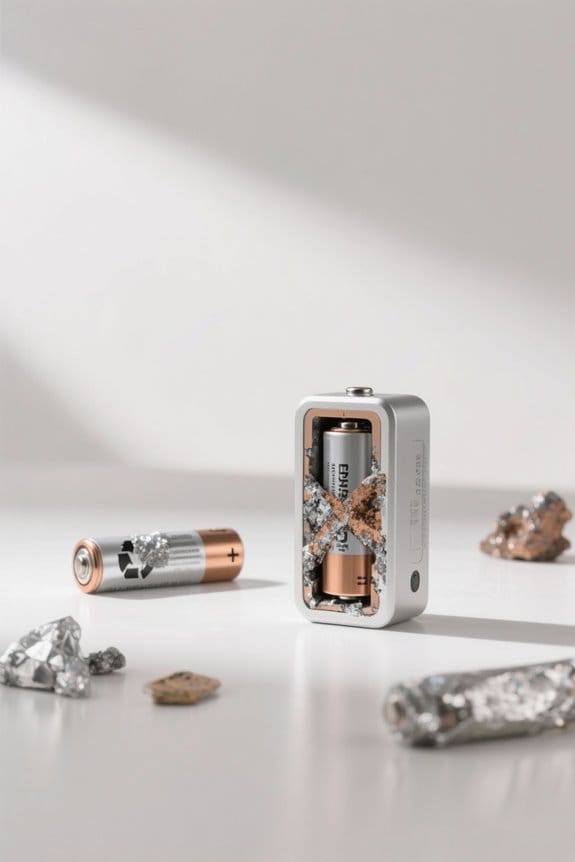
Understanding Heavy Metal Contamination From Improper Battery Disposal

Improper disposal of batteries containing heavy metals such as cadmium, lead, mercury, and nickel causes significant environmental contamination by leaching toxic elements into soil and groundwater, disrupting nutrient cycles and threatening aquatic ecosystems. In 2018, only 5% of approximately 345,000 tons of battery waste was recycled, underscoring weak infrastructure and regulatory gaps. Exposure to these metals poses chronic health risks, including neurological and kidney damage, particularly in vulnerable populations near disposal sites. Understanding recycling advancements and regulations reveals pathways to mitigate these hazards.
Key Takeaways
- Improper disposal of batteries releases toxic heavy metals like cadmium, lead, mercury, and nickel into soil and groundwater.
- Corrosion and degradation of battery casings in landfills cause leaching of hazardous metals, contaminating ecosystems and water sources.
- Heavy metal exposure from battery waste leads to serious health risks including neurological damage, kidney disease, and immune system impairments.
- Low recycling rates (around 5%) result in most battery heavy metals ending up in landfills, exacerbating environmental contamination.
- Strengthening recycling programs and regulations is essential to reduce heavy metal pollution and promote safe battery waste management.
The Composition of Heavy Metal Batteries
Heavy metal batteries, essential for a range of electronic applications, consist primarily of Nickel-Cadmium (NiCd), Mercury, and Silver Oxide chemistries, each containing distinct hazardous materials that pose environmental contamination risks if improperly discarded. Nickel-Cadmium Batteries utilize nickel oxide hydroxide and cadmium electrodes; cadmium, a toxic heavy metal, can leach into soil and water, amplifying environmental risks. Mercury batteries, once common in watches and hearing aids, contain elemental mercury labeled “Hg,” which presents significant contamination hazards. Silver Oxide batteries, typically button-type cells in medical devices, also add to heavy metals in waste streams. Effective recycling methods and proper disposal protocols are necessary to manage these hazardous materials, as their differing chemical compositions require tailored approaches to prevent contamination and mitigate associated environmental risks. Batteries disposed of in regular trash can lead to serious environmental risks, such as lithium cells igniting or lead-acid batteries releasing hazardous substances into landfills.
Environmental Risks of Heavy Metal Contamination
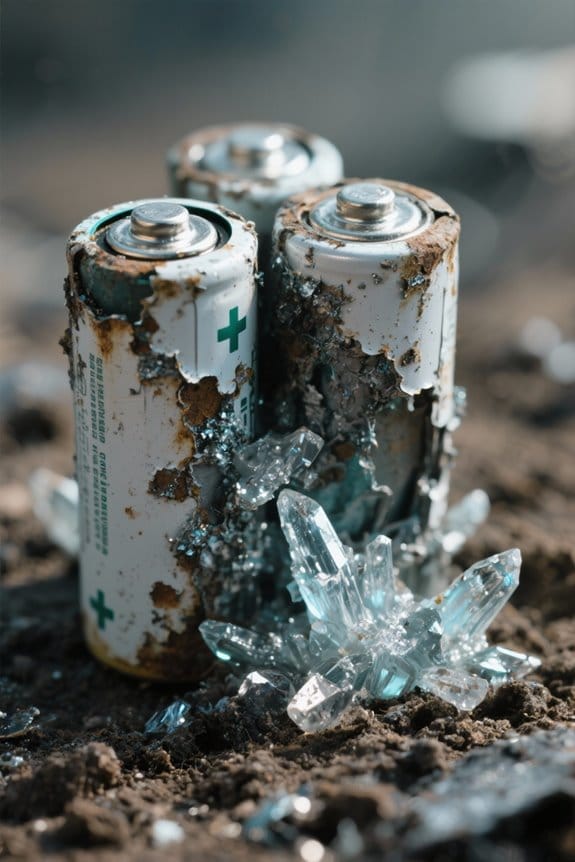
When improperly discarded, Nickel-Cadmium and lead-acid batteries can leach toxic metals such as cadmium and lead into soil and groundwater, creating persistent environmental hazards that compromise ecosystem integrity and human health. Heavy metal contamination results in severe soil contamination, impairing nutrient cycles and reducing land productivity, while water pollution from these hazardous waste sources jeopardizes aquatic ecosystems and drinking water safety. Despite advances in recycling processes capable of recovering valuable metals and mitigating environmental impact, only approximately 5% of battery waste was recycled in 2018, indicating low public awareness and inadequate waste management infrastructure. Improper disposal methods, including landfilling and incineration, exacerbate the release of hazardous substances, contributing to broader ecological degradation and health risks. Enhanced public education and improved recycling programs are critical to reducing these environmental threats. Regular inspections and proper segregation of stored batteries are recommended to reduce the risks associated with shorting and thermal incidents.
Pathways of Heavy Metal Leaching in Soil and Water

Leaching of toxic metals from discarded batteries occurs through a variety of chemical and physical processes that facilitate their migration into soil profiles and groundwater systems, especially within landfill environments where controlled containment is frequently inadequate. Heavy metals such as cadmium, lead, nickel, manganese, and cobalt leach into surrounding soils via corrosion and degradation of battery casings, driven by acidification and moisture infiltration. These harmful substances can percolate downward, contaminating groundwater and surface water bodies, thereby increasing contamination risks for human and ecological receptors. Studies indicate that metal concentrations in affected soils can exceed natural background levels by up to tenfold, causing sustained environmental damage. The infiltration of electrolytes from lithium batteries further exacerbates water pollution, posing threats to ecosystem health and agricultural viability by disrupting nutrient cycles and causing bioaccumulation in flora and fauna. Using battery recycling kits helps prevent these environmental impacts by ensuring safe containment and transport of used batteries for proper recycling.
Health Impacts of Exposure to Heavy Metals From Batteries
Exposure to toxic metals originating from discarded batteries presents significant health risks, particularly due to the persistence of lead, cadmium, mercury, nickel, and cobalt in contaminated environments. Improper disposal of battery waste causes heavy metals to leach into soil and water, leading to widespread contamination that elevates health risks for affected populations. Chronic exposure to lead, for example, correlates strongly with neurological impairments, especially in children, while cadmium ingestion is linked to kidney damage and bone demineralization. Mercury exposure further contributes to respiratory and immune system dysfunction. Environmental consequences include bioaccumulation of these metals in local food chains, exacerbating exposure levels. Communities near disposal sites face increased incidences of chronic illnesses due to sustained heavy metal contamination, underscoring the critical need for responsible battery waste management to mitigate significant health hazards. Many batteries are free of mercury and cadmium, which makes them a safer choice compared to other disposable batteries.
Types of Batteries and Associated Heavy Metal Hazards
Among the various types of batteries commonly used in consumer electronics, vehicles, and industrial applications, each category presents distinct heavy metal hazards that contribute differently to environmental contamination and health risks. Alkaline batteries contain zinc and manganese dioxide, which pose limited risk unless disposed in large volumes. Lithium batteries, widely utilized in electronics and electric vehicles, hold hazardous materials that can leak toxic compounds if mishandled during disposal. Lead-acid batteries contain highly toxic lead, causing significant soil and water contamination when discarded improperly. Nickel-cadmium batteries include carcinogenic cadmium, with serious environmental impact linked to poor battery disposal practices. Proper recycling is essential to mitigate heavy metals release, reducing contamination and safeguarding ecosystems, emphasizing that improper disposal leads to hazardous materials persistence and deteriorates environmental health. Long-shelf-life batteries, like Energizer Ultimate Lithium AA, offer extended usability, reducing the frequency of disposal and associated environmental risks.
Lifecycle Stages Contributing to Heavy Metal Pollution
While the lifecycle of batteries containing heavy metals encompasses multiple stages, each phase—ranging from raw material extraction to manufacturing, usage, and final disposal—presents unique challenges that contribute to environmental pollution if mismanaged. Mining for heavy metals like cadmium and lead often causes soil and water contamination, resulting in long-term environmental damage. During manufacturing, pollutant emissions can impact ecosystems, especially when emission controls are inadequate. Usage itself typically poses less risk of contamination; however, the final disposal stage is critical. Improper disposal in landfills or incineration releases toxic heavy metals, disrupting soil ecosystems and contaminating valuable materials as well as drinking water sources. Consequently, the entire lifecycle demonstrates potential for environmental damage, especially through improper disposal practices that exacerbate heavy metal contamination. To mitigate these effects, the use of rechargeable cells and battery adapters can promote sustainability by reducing the number of disposable batteries that end up in landfills.
Challenges in Current Battery Disposal Practices
The inadequate disposal of heavy metal-containing batteries presents significant environmental challenges, as evidenced by the fact that in 2018, only 5% of over 345,000 tons of battery waste was recycled, with the majority ending up in landfills or informal dumping sites where toxic metals such as nickel and cadmium leach into soil and water systems. Current battery disposal and recycling practices are hampered by insufficient recycling infrastructure, limiting effective processing primarily to a few countries, especially for lithium-based batteries. The accumulation of hazardous substances in improperly managed battery waste exacerbates environmental risks, harming ecosystems and public health. Additionally, weak regulatory frameworks fail to enforce proper disposal, impeding progress toward widespread adoption of sustainable battery solutions. Opting for eco-friendly batteries and participating in recycling programs can mitigate waste and reduce the environmental impact of battery disposal. These combined challenges underscore the urgent need for enhanced strategies to mitigate heavy metal contamination from battery waste.
The Role of Recycling in Reducing Heavy Metal Pollution
Recovering heavy metals from discarded batteries through recycling plays a pivotal role in curbing soil and water contamination, as evidenced by methods that safely extract toxic elements such as cadmium from Nickel-Cadmium batteries and lead from lead-acid variants before they can leach into ecosystems. Despite the Universal Waste Rule‘s efforts to regulate battery recycling and disposal, only 5% of total battery waste was recycled in 2018, underscoring a significant gap in proper disposal practices. Effective battery recycling processes, including thermal treatment and hydrometallurgy, recover valuable materials, reducing reliance on raw material extraction and minimizing environmental impact. Enhanced enforcement of recycling guidelines can improve recovery of hazardous materials, substantially lowering heavy metal pollution from improper disposal and advancing long-term ecosystem protection. Mercury-free batteries, as discussed in eco-friendly battery guidelines, are an important step toward minimizing environmental harm from improper disposal.
Emerging Technologies for Heavy Metal Battery Recycling
Numerous emerging technologies aim to enhance the recycling of heavy metal batteries by improving the recovery rates of valuable metals such as cadmium and nickel, which current methods only reclaim at modest levels; these innovative approaches include pyrometallurgy and hydrometallurgy, both of which employ thermal treatment and chemical leaching to increase extraction efficiency while markedly reducing environmental emissions. Biometallurgy, utilizing microorganisms to extract metals, offers a potentially more sustainable alternative with reduced environmental impact. Advanced sorting technologies enable precise separation of battery components, minimizing hazardous waste generation. Research into closed-loop recycling systems suggests the possibility of elevating recycling rates beyond the current 5%, thereby mitigating environmental contamination associated with improper disposal. These combined technologies represent significant progress toward more efficient heavy metal battery recycling with lower ecological risks. Rechargeable batteries offer eco-friendly solutions, mitigating the continuous waste generated from disposable alternatives, which contributes to these advancements.
Regulatory Frameworks Addressing Battery Waste Management
Several international and national regulatory frameworks govern battery waste management, aiming to curb environmental contamination from hazardous heavy metals such as cadmium and lead, which are prevalent in many batteries. The Universal Waste Rule in the United States enforces regulatory compliance by requiring proper hazardous materials handling, including obtaining EPA identification numbers for generators. Globally, the Basel Convention sets guidelines for cross-border transport of hazardous battery waste to mitigate environmental hazards. Despite these measures, many countries lack extensive regulations, resulting in widespread improper disposal practices. Effective battery management necessitates mandatory recycling targets and economic incentives like deposit-refund systems to reduce heavy metal pollution. These regulatory frameworks are vital to controlling environmental hazards associated with battery waste, ensuring hazardous materials are managed responsibly and thereby minimizing the ecological impact from discarded batteries containing toxic metals. Battery Disposal Containers are essential tools that contribute to safe and compliant battery recycling processes, reducing the risk of hazardous material leakage and environmental contamination.
Social and Ethical Issues in Heavy Metal Battery Disposal
The social and ethical challenges surrounding heavy metal battery disposal arise primarily from the disruptive impact of raw material extraction and the uneven distribution of health risks associated with improper waste handling, which disproportionately affect vulnerable populations such as low-income communities, often situated near contaminated sites. Battery contaminants, particularly hazardous waste elements like lead, cadmium, and mercury, pose significant environmental justice issues by imposing health burdens on communities least equipped to manage them. Ethical implications extend to resource extraction processes that frequently displace local populations and involve questionable labor practices. Furthermore, insufficient consumer education limits public awareness regarding proper disposal methods, exacerbating contamination risks. Addressing these concerns requires transparent policies ensuring accountability throughout the supply chain and equitable distribution of environmental protections to mitigate the social costs linked to heavy metal battery pollution.
Strategies to Promote Safe Handling and Disposal of Batteries
Addressing the social and ethical ramifications of heavy metal battery disposal requires implementing effective strategies for their safe handling and disposal, aimed at minimizing environmental contamination and health hazards. Key measures include establishing clearly labeled collection containers marked as “Universal Waste Batteries” with accumulation start dates to guarantee regulatory compliance and proper management. Educational initiatives targeted at consumers can elevate awareness regarding hazardous content in batteries used in consumer electronics, reducing improper disposal incidents. Organizations should provide on-site disposal stations with guidance materials, facilitating safe battery disposal practices. Compliance with regulations, such as obtaining EPA identification numbers and utilizing certified recycling facilities, is essential to reduce environmental risks. These combined efforts promote responsible battery disposal, mitigating hazardous heavy metal contamination in soil and water systems, thereby safeguarding public health and ecosystems.
Frequently Asked Questions
How Can Individuals Safely Store Used Batteries Before Disposal?
Individuals should utilize battery storage solutions such as non-conductive containers for used battery storage, adhering to safe disposal practices and battery containment methods. Implementing home recycling tips fosters hazardous waste management and environmental impact awareness.
What Are the Economic Benefits of Proper Battery Recycling?
Battery recycling benefits include significant economic savings through resource recovery and reduced environmental impact. It fosters job creation, promotes sustainable practices, and enhances community engagement, collectively supporting a resilient economy and responsible stewardship of valuable materials.
Are There Household Items That Can Neutralize Battery Leaks?
Household items like baking soda (sodium bicarbonate) or vinegar solution can neutralize battery leaks. Additionally, activated charcoal, a sand mixture, cornstarch paste, or lemon juice may absorb and mitigate acidic or alkaline residues effectively.
How Long Do Heavy Metals From Batteries Persist in the Environment?
Heavy metals from batteries can persist in the environment for over 500 years, causing prolonged soil contamination and groundwater pollution. Metal persistence poses significant exposure risks and long-term effects, often necessitating bioremediation techniques to mitigate environmental impact.
What Community Programs Support Battery Collection and Recycling?
Community initiatives supporting battery collection include recycling programs, awareness campaigns, and collection events. Educational workshops and local partnerships enhance public resources, fostering responsible disposal practices and promoting environmental sustainability within communities.