As an Amazon Associate, we earn from qualifying purchases. Some links on this site are affiliate links at no extra cost to you. Our recommendations are based on thorough research and editorial judgment.

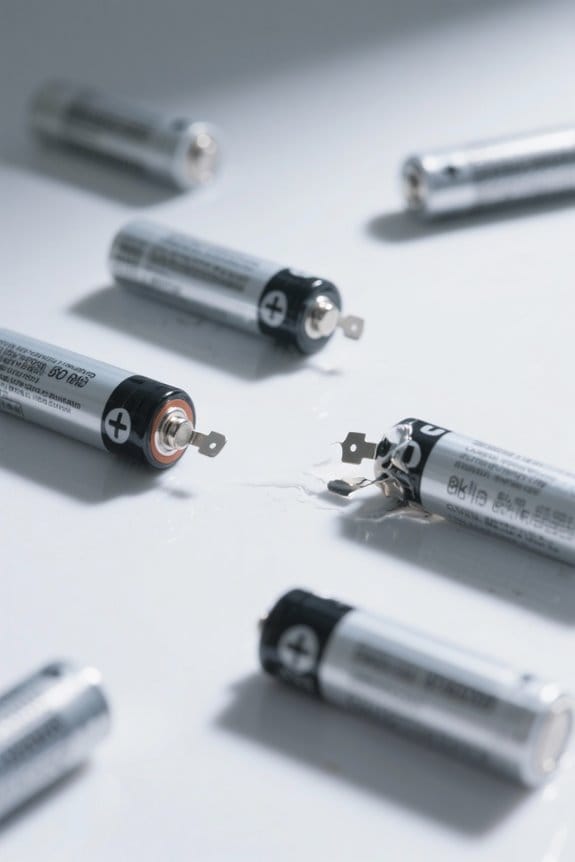
Understanding Short Circuit Risks With Loose Batteries

Battery short circuits happen when positive and negative terminals connect directly, often due to loose batteries moving inside devices, which can cause contact temperatures surpassing 150°C and trigger internal thermal runaway, especially in lithium-ion cells. External shorts generate sparks, degrade battery life, and damage sensitive electronics. Factors like humidity-induced corrosion and improper installation worsen risks, making regular inspections and insulated terminal covers essential. Understanding these hazards aids in applying effective prevention methods to maintain safety and device integrity.
Key Takeaways
- Loose batteries increase the risk of unintended terminal contact, leading to external short circuits and potential sparks or fire hazards.
- Movement and physical damage to loose batteries can cause internal short circuits, especially if separators are compromised.
- Environmental factors like humidity promote terminal corrosion on loose batteries, raising the likelihood of conductive bridges and shorts.
- Lithium-ion loose batteries are vulnerable to thermal runaway, which can cause fires or explosions if short-circuited.
- Regular inspections and using insulated covers are essential to prevent short circuits and ensure battery safety during storage and handling.
What Is a Battery Short Circuit?
A battery short circuit is a malfunction in which the positive and negative terminals become directly connected, resulting in an abrupt surge of electrical current that generates excessive heat and poses significant safety risks, including fires and explosions. Battery short circuits occur either internally, when internal separators fail causing internal short circuits, or externally, when conductive materials bridge the terminals causing external short circuits. Lithium-ion batteries are especially vulnerable to thermal runaway, a dangerous, uncontrolled reaction reaching temperatures exceeding 1,300°F, which can lead to catastrophic failure. Manufacturing defects may increase short circuit susceptibility. Proper handling and regular inspections are essential to detect early signs of damage or wear, thereby mitigating these safety risks. Implementing strict testing protocols and maintaining quality control during production further reduce the likelihood of hazardous short circuits. Regular use of battery contact cleaners can help prevent short circuits by reducing contact resistance and restoring conductivity.
Common Causes of Battery Short Circuits With Loose Batteries
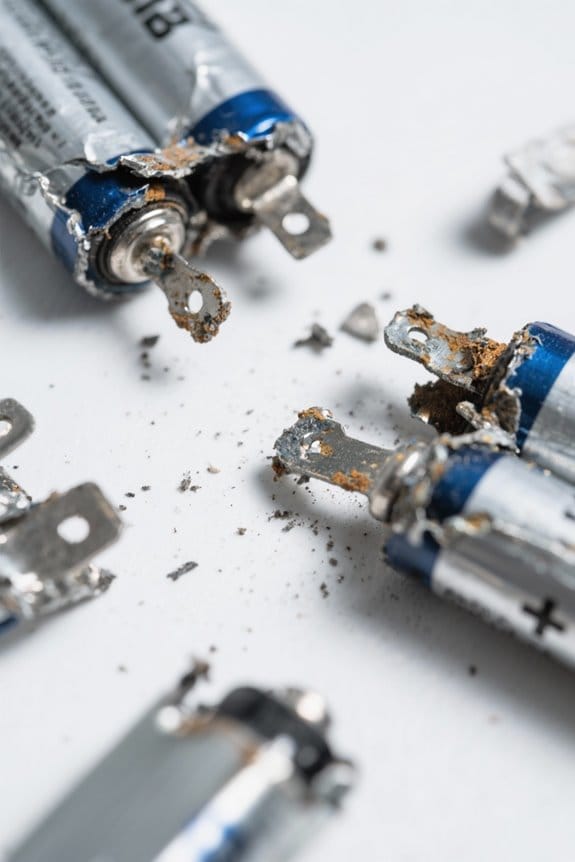
Movement of loose batteries within a device or storage container greatly increases the likelihood of short circuits, for that reason mobility often causes unintended contact between the positive and negative terminals, generating currents that can exceed safe operational limits by several amperes and temperatures surpassing 100°C within seconds. Physical damage, such as punctures or scratches on battery cases, frequently occurs when batteries are unsecured, raising the risk of internal short circuits. Environmental factors like humidity promote corrosion on terminals and connections of loose batteries, further exacerbating short circuit risks. Improper installation, especially unregulated or conductive material contact, directly triggers hazardous short circuits. Hence, regular inspections are essential to identify wear, corrosion, and dust accumulation. Adhering to proper installation guidelines considerably mitigates safety risks related to short circuits in battery systems. It is crucial to store batteries in designated, ventilated areas away from ignition sources to further reduce the risk of fire and damage.
Recommended Products

2-in-1 Functionality: Powers outboard motor cranking & marine devices (fish finders, trolling motors). Eliminates dual heavy batteries, saves space & cuts extra costs. Fits Mercury, Honda, Suzuki, Evinrude, Tohatsu and more (Contact us if you need a guide). ABYC-compliant installation standard ensures safe, worry-free cross-brand use.

2-in-1 Functionality: Powers outboard motor cranking & marine devices (fish finders, trolling motors). Eliminates dual heavy batteries, saves space & cuts extra costs.

【4000Watt Pure Sine Wave Inverter】This 4000 watt inverter pure sine wave version converts 24V DC to AC 110V 120V, ideal to install in RVs, Cars, Vessels and 24V off grid solar system, and computer, hair dryer, 2000Watt microwave and other sensitive equipment not more than 4000watt, Surge Power 7000 Watt for 2 Seconds
Types of Battery Short Circuits and Their Effects
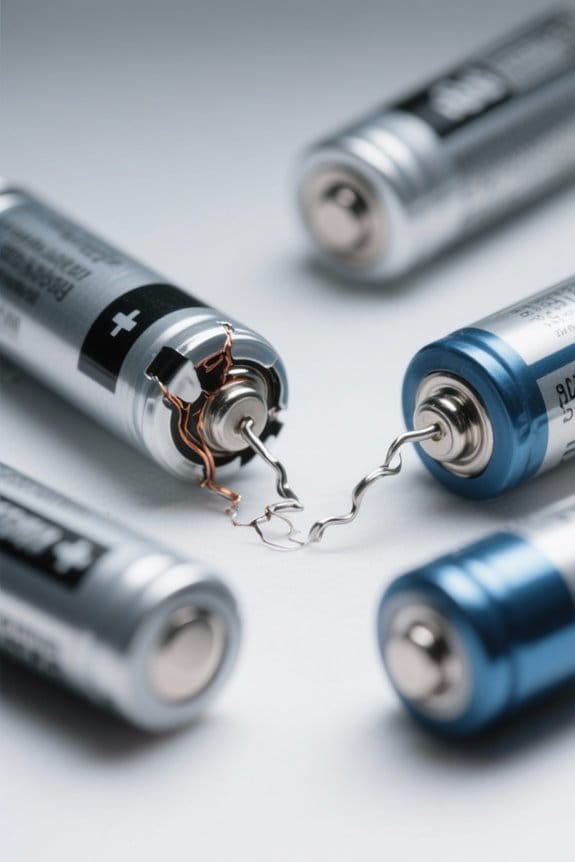
Battery short circuits fall into two primary categories: internal and external, each with distinct mechanisms and consequences that impact both safety and battery longevity. Internal short circuits, often arising from separator damage or manufacturing defects, are especially concerning in lithium-ion batteries, as they can initiate thermal runaway—a process elevating temperatures beyond 1,300°F, releasing flammable gases, compromising safety, and severely degrading battery performance. External short circuits occur when conductive objects connect the battery terminals directly, producing sparks, excessive heat, potential device damage, and a marked decline in battery lifespan. Such risks associated with battery short circuits necessitate preventive measures, including regular maintenance and the use of insulated terminal protectors, to mitigate safety hazards and extend battery lifespan. Consistent inspections help detect early signs, preserving long-term battery performance and operational safety. Fast charging technologies, like PD and QC, are designed to safely deliver quick power boosts, but improper usage can exacerbate the risks associated with short circuits.
Recommended Products

This package is a curated bundle of popular items frequently purchased together. It is not a complete, all-in-one solution. Depending on your specific setup, additional items or accessories may be required. Please review the included components carefully before purchasing.

A signature confirmation is required upon delivery of this item. The delivery personnel may ask for verification with a photo id as well. Shipping to addresses where an adult is available to sign for the package is highly recommended to avoid any potentials delays.

This package is a curated bundle of popular items frequently purchased together. It is not a complete, all-in-one solution. Depending on your specific setup, additional items or accessories may be required. Please review the included components carefully before purchasing.
Risks and Consequences of Loose Battery Short Circuits
Loose electrical contacts present a significant hazard by facilitating unintended contact between battery terminals and conductive materials, thereby fostering conditions conducive to external short circuits characterized by immediate sparking and rapid heat generation. In lithium-ion battery safety, such short circuits can initiate thermal runaway, where internal temperatures may exceed 1,300°F, causing fires or explosions. High current flow during these events produces a rapid release of energy, melting connectors and damaging surrounding components. Battery failure frequently results, with sensitive electronics sustaining irreversible harm. These safety incidents highlight the critical need for preventive measures, including regular inspections and proper storage to minimize loose battery risks. Furthermore, utilizing a reliable battery monitor system with a 1% accuracy rate can significantly enhance safety by providing real-time alerts and tracking battery health, thus reducing the likelihood of short circuit incidents. Understanding these consequences underscores the importance of monitoring battery integrity to mitigate hazards associated with external short circuits and guarantee device longevity.
Effective Prevention Strategies for Loose Battery Short Circuits
Although short circuits caused by loose batteries can occur abruptly, they are largely preventable through systematic strategies that emphasize physical barriers and routine assessments; for instance, storing batteries in environments with stable temperatures between 20°C and 25°C and using insulating covers with dielectric strengths exceeding 20 kV/mm greatly reduces terminal-to-conductor contact risk. Effective preventive strategies include terminal protection via insulated covers that block metal objects during transport, and proper storage that maintains separation between batteries to avoid conductive materials causing shorts. Regular physical inspection detects dents or punctures indicating potential internal damage, prompting immediate replacement to uphold safety measures. Additionally, educational practices promoting careful handling, moisture avoidance, and stable temperature control reinforce preventive efforts, collectively minimizing short circuit occurrences associated with loose batteries through a thorough approach combining physical safeguards and informed user behavior. Incorporating user-friendly designs in battery testers can help users manage battery inventory efficiently, providing instant feedback on battery conditions and further reducing the risk of short circuits.
Recommended Products

Replace Corroded Factory cables with Custom Battery Cable’s Hard Start Solution Upgraded 3/0 SGX battery-to-starter cable delivers maximum cranking power in freezing conditions or in high-demand setups. Made In USA.

🏆 AC-1200 12-Gang Switch Panel: 2023 SEMA Show Award Winner. Featuring a U.S. Patent-Protected Design (No. US D1,063,866 S) for an Elevated Driving Experience.

Features red and yellow Marine Grade primary conductors in a white common jacket
Frequently Asked Questions
Will a Short Circuit Ruin a Battery?
In a hypothetical case, a smartphone’s battery malfunction occurred due to a short circuit causing excessive heat generation and circuit damage. Proper electrical insulation and protective measures can mitigate current flow, reducing power loss, energy discharge, and preserving battery lifespan through risk assessment.
What Is the Biggest Safety Risk When Dealing With Batteries?
The biggest safety risk when dealing with batteries involves short circuits causing thermal runaway and electrical hazards. Proper battery maintenance, avoiding loose connections, managing voltage fluctuation, adhering to charging practices, ensuring fire prevention, and promoting battery recycling are essential.
Can a Loose Wire Cause a Short Circuit?
A loose wire can cause a short circuit by compromising wire insulation and connectivity. Proper battery maintenance, circuit protection, electrical grounding, wiring diagrams, and risk assessments enhance battery safety and reduce voltage fluctuations caused by loose connections.
What Is the 80 20 Rule for Lithium Batteries?
The 80/20 rule for lithium batteries dramatically reveals that 80% of lifespan concerns stem from 20% of misuse—like ignoring voltage thresholds, overheating risks, or temperature effects—underscoring battery maintenance tips, safe storage, smart charging, and recycling methods.