As an Amazon Associate, we earn from qualifying purchases. Some links on this site are affiliate links at no extra cost to you. Our recommendations are based on thorough research and editorial judgment.

Understanding Battery Recycling Programs in Your Area

Battery recycling programs facilitate safe recovery of valuable metals like lithium, nickel, and cobalt from millions of used batteries annually, reducing environmental harm from toxic substances such as lead and cadmium. These programs align with federal and state regulations, including the Battery Management Act of 1996, promoting proper disposal of various battery types—rechargeable and single-use—while using tested collection methods and secure storage protocols. Participation supports sustainable waste management and public health, providing detailed guidance on preparation, drop-off locations, and legal compliance for households and businesses alike. Additional insights explain local resources and environmental impacts.
Key Takeaways
- Local battery recycling programs often partner with major retailers and municipalities for accessible drop-off and collection points.
- Proper sorting and preparation, like taping terminals and separating battery types, are essential for safe recycling.
- Different battery types have specific disposal requirements, with rechargeable and hazardous batteries needing specialized facilities.
- Online resources like Earth911 and city websites help locate nearby battery recycling centers and hazardous waste events.
- Adhering to local and state recycling regulations ensures environmentally safe handling and legal compliance.
Importance of Proper Battery Recycling
Although battery use is widespread across numerous electronic devices, the importance of proper battery recycling is often underestimated, despite its critical role in minimizing the release of hazardous substances such as lead, mercury, and cadmium into soil and water systems. Proper recycling of batteries prevents these toxic materials from contaminating ecosystems and human health. Additionally, recycling programs recover valuable resources like lithium, nickel, and cobalt, which reduces the environmental impacts associated with mining new metals. Initiatives such as the Battery Management Act of 1996 and large-scale efforts like Call2Recycle, which operates thousands of collection sites nationwide, provide structured frameworks that facilitate convenient, environmentally responsible disposal. By participating in these programs, consumers support a circular economy, ensuring that battery materials are reused efficiently and that hazardous waste is handled with compliance to legal standards. Certified recycling centers ensure that batteries are disposed of safely, preventing potential environmental risks like fires or hazardous substance release.
Types of Batteries and Their Disposal Requirements
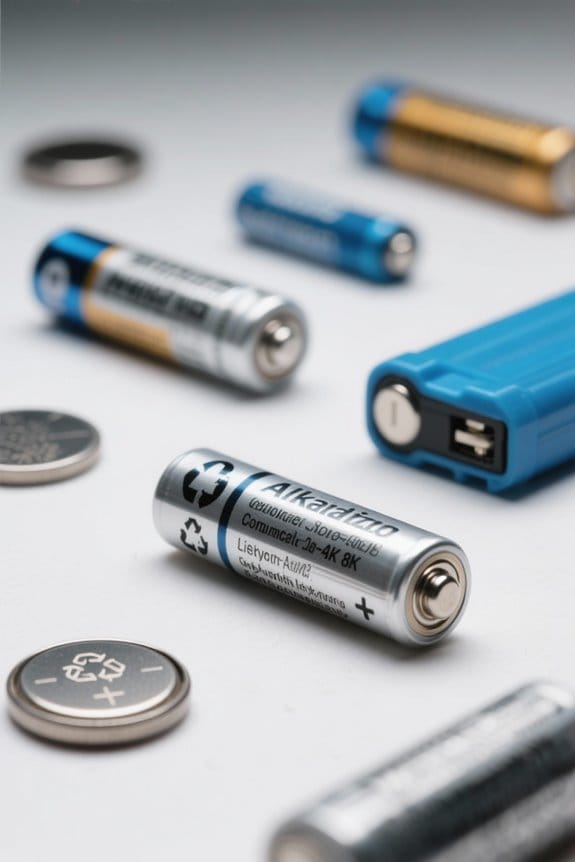
Battery types vary greatly in chemical composition, energy density, and environmental impact, necessitating distinct disposal protocols tailored to each category’s hazards and recyclability. Non-rechargeable batteries, such as alkaline or lithium types, may be disposed of in the trash where local laws permit, though placing them in a recycling bin greatly reduces environmental harm. Rechargeable batteries—including Lithium-Ion, NiCd, and NiMH variants—require proper battery disposal at designated facilities due to their potential to become hazardous waste if mishandled. Lead-acid batteries, common in vehicles, contain toxic materials and must undergo specialized recycling to prevent environmental contamination. Additionally, electric vehicle lithium-ion batteries demand certain handling procedures, often involving return to manufacturers. Adherence to these protocols within battery recycling programs guarantees compliance with regulations and mitigates risks associated with hazardous waste, thereby promoting sustainable management of diverse types of batteries. Some lead-free batteries are more recyclable than traditional options, helping to further reduce environmental footprints through efficient recovery of materials.
Local Resources for Battery Recycling
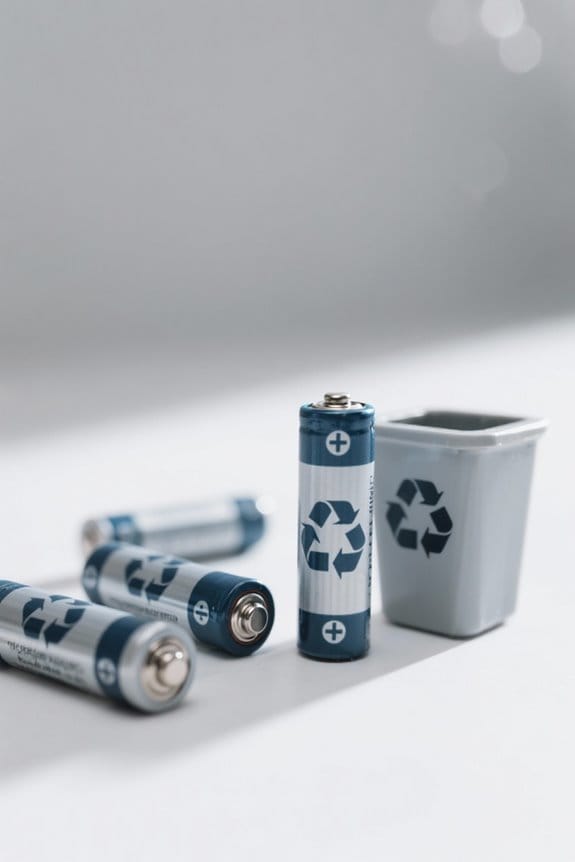
Where can consumers find reliable and accessible locations for disposing of various battery types responsibly? Numerous local recycling options exist, including major retailers like Home Depot, Best Buy, and Staples, which offer collection bins specifically for rechargeable battery and single-use types. Additionally, municipalities frequently organize hazardous waste collection events detailed on city websites, facilitating safe disposal practices. Online resources such as Earth911 enable users to locate nearby battery recycling centers by entering zip codes, promoting Best Practices. Specialized e-waste collectors and electronics stores also accept lithium-ion batteries, preventing environmental harm while recovering valuable materials. Certified recyclers should be used to ensure compliance and safety when disposing of batteries. These programs underscore the importance of adhering to local recycling guidelines, ensuring that batteries containing toxic components do not enter landfills. Coordinated efforts among retailers, governments, and recycling organizations provide extensive access to safe, environmentally responsible battery recycling.
Role of Call2Recycle® in Battery Stewardship
Established in the mid-1990s, Call2Recycle® has evolved into the largest consumer battery stewardship and recycling program in the United States, operating thousands of public collection sites that facilitate the responsible disposal of rechargeable batteries containing heavy metals such as nickel, cadmium, and lithium. Call2Recycle® plays a pivotal role in waste management by ensuring battery recycling compliance with Extended Producer Responsibility (EPR) laws across varied jurisdictions, adapting as regulations change. Funded primarily through voluntary contributions from industry participants, the program advances sustainable battery management while promoting a circular economy through efficient hazardous material handling. Additionally, Call2Recycle® manages a cellphone recycling initiative designed to responsibly process used devices, emphasizing refurbishment and resale. Through these combined efforts, Call2Recycle® markedly reduces hazardous waste impacts associated with rechargeable battery disposal nationwide. The program’s efforts contribute significantly to the responsible recycling of batteries, minimizing environmental risks and supporting organized collection systems to foster sustainable disposal practices.
How to Prepare Batteries for Recycling
Numerous protocols exist for preparing used batteries prior to recycling, each designed to minimize hazards such as short circuits and contamination while maximizing material recovery efficiency. To recycle batteries safely, household batteries must be stored in non-metal containers and separated by different types, since facilities often accept only specific categories. The Environmental Protection Agency recommends taping rechargeable battery terminals to prevent fires caused by short circuits during transport. In addition, placing batteries in clear zip-top plastic bags assists collection personnel in identifying proper materials and reduces the risk of contamination with recyclables not intended for battery processing. Certified, leak-resistant containers are crucial for safe storage and recycling, ensuring that batteries are stored securely until they reach recycling facilities. Adherence to local waste management guidelines guarantees compliance with varying regional requirements, enhancing recycling effectiveness and environmental safety. These precautions collectively optimize the recovery of valuable components while minimizing the risks associated with improper battery disposal.
Finding Convenient Battery Drop-Off Locations
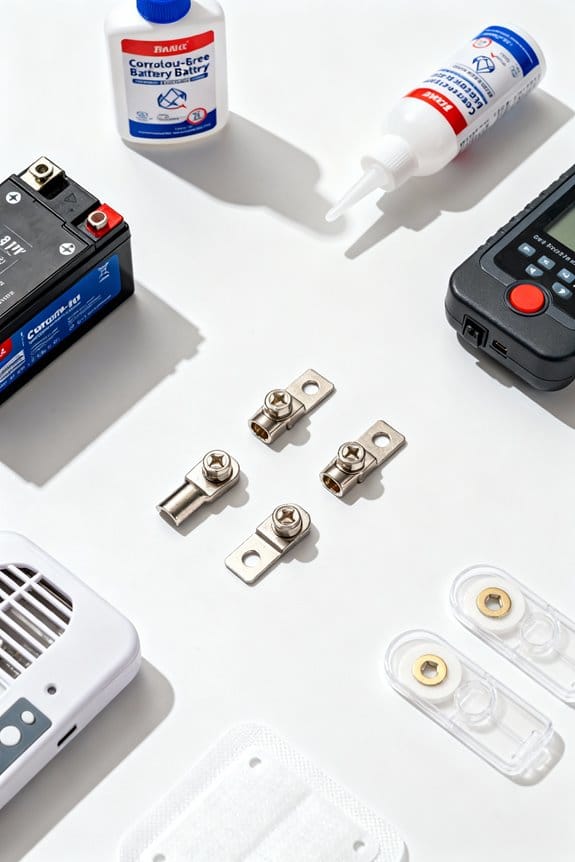
After properly preparing batteries to avoid risks such as short circuits and contamination, locating accessible drop-off points becomes the next step in guaranteeing responsible recycling. Numerous drop-off locations facilitate battery recycling, including major retailers like Home Depot, Lowe’s, Best Buy, and Staples, which provide designated collection bins. In addition, Call2Recycle maintains a wide-ranging national network of public collection sites, greatly enhancing convenience. Local governments frequently organize hazardous waste collection events or operate recycling centers, offering residents compliance with regional disposal regulations. Online resources such as Earth911 offer thorough databases to find nearby recycling centers that accept batteries, streamlining consumer efforts. Adhering to municipal guidelines and utilizing these diverse drop-off options guarantees regulatory compliance while minimizing environmental hazards associated with improper battery disposal. For projects requiring battery holders, low-resistance metal contacts are essential to ensure efficient recycling and functionality.
Environmental Benefits of Battery Recycling
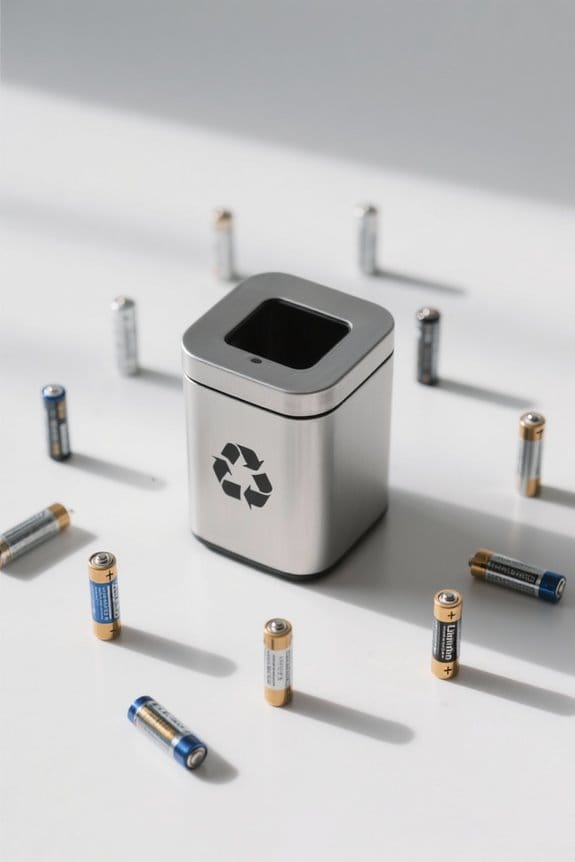
While the process of recycling batteries demands proper collection and handling, the environmental advantages are substantial, as it facilitates the recovery of valuable metals such as lithium, nickel, and cobalt—materials critical for modern clean energy technologies. When batteries are recycled separately, hazardous substances contained within, including heavy metals and electrolytes, are effectively contained and removed, preventing contamination of soil and waterways. Proper battery recycling reduces solid waste accumulation in landfills and lowers the demand for virgin resource extraction, which often involves ecologically damaging mining practices. Studies indicate that recycling 1 million lithium-ion batteries can recover approximately 200,000 pounds of nickel and 35,000 pounds of cobalt. These environmental benefits include decreased greenhouse gas emissions and support for a circular economy, underscoring battery recycling as an essential component in sustainable waste management. By using eco-friendly battery recycling containers, facilities can ensure compliance with safety standards and facilitate efficient retrieval by waste services.
Understanding Legal and Safety Considerations
Because improper disposal of batteries poses significant environmental and health risks, a complex framework of federal and state regulations governs their handling, recycling, and disposal to guarantee safety and legal compliance. The Battery Management Act of 1996 establishes mandatory legal guidelines for hazardous batteries like nickel-cadmium and lead-acid, which are often classified as universal waste and subjected to specific recycling protocols. State-specific laws may further extend federal requirements, emphasizing careful adherence to battery disposal procedures to minimize environmental hazards such as soil and water contamination. Compliance with these regulations promotes community health, reduces potential legal consequences, and ensures responsible hazardous waste management. Recognizing the intricacy of recycling protocols, consumers and businesses alike are encouraged to consult local statutes and certified recycling centers to attain full compliance, reinforcing the broader objective of environmental safety. For non-rechargeable batteries, long-term waste impact is a consideration that should be factored into purchase and disposal decisions.
Frequently Asked Questions
How Does Battery Recycling Work?
Battery life’s grand encore involves a recycling process where discarded battery types enter a metallic disco. Amid local regulations and safety precautions, this spectacle minimizes environmental impact, proving that even expired power cells deserve a second chance on Earth’s stage.
How Much Does Autozone Give for Old Batteries?
AutoZone offers up to $12 in credits through their recycling incentives program, determined by a battery value assessment. This customer rewards system promotes eco-friendly practices, supports local battery hubs, and aligns with environmental impact analysis initiatives.
How to Dispose of Batteries in Idaho?
In Idaho, batteries should be disposed of at battery drop off points or recycling locations, following specific disposal guidelines. Collection events and retail bins accommodate various battery types, reducing environmental impact through proper handling and recycling.
Do Recycling Centers Pay You for Batteries?
Do recycling centers provide recycling incentives? Generally, most do not offer financial benefits except for certain battery types like lead-acid. Local guidelines and collection programs prioritize environmental impact over payment, so compensation varies by location and battery category.