As an Amazon Associate, we earn from qualifying purchases. Some links on this site are affiliate links at no extra cost to you. Our recommendations are based on thorough research and editorial judgment.

The Environmental Impact of Disposable Vs Rechargeable Batteries

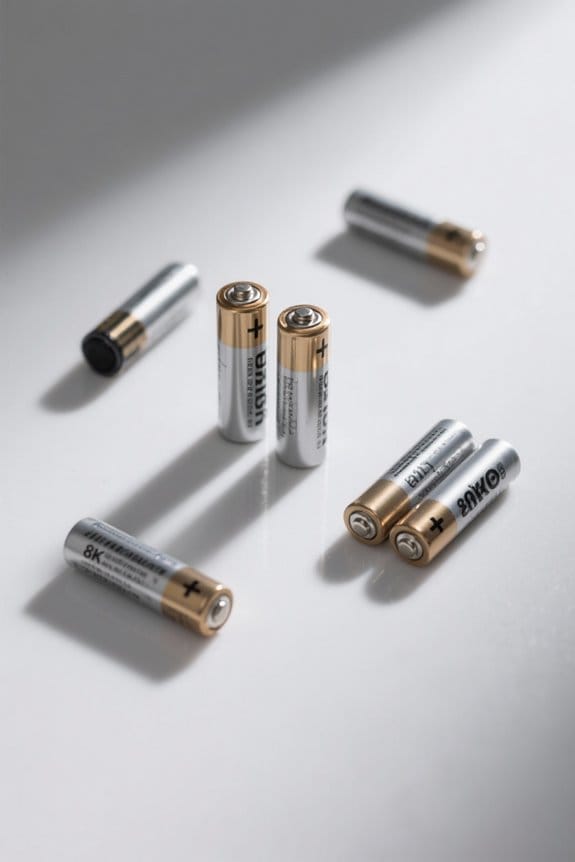
Rechargeable batteries, capable of lasting 500 to 1,000 cycles, offset their initial production emissions—approximately five tonnes of CO2 for a 30 kWh unit—after about 50 recharges, contrasting with disposable batteries that generate substantial waste, as five billion units are sold annually with under 10% recycled, causing toxic metal contamination in landfills. Although lithium-ion battery production emits 150 to 200 kg CO2 per kWh, increased recycling and sustainable use remarkably lower environmental harm. Further insights explain these comparisons in greater detail.
Key Takeaways
- Rechargeable batteries reduce waste by lasting 500 to 1,000 cycles, unlike single-use batteries that contribute significantly to landfill pollution.
- Disposable batteries have low recycling rates (under 10%) and release toxic metals like mercury and lead into soil and water.
- Lithium-ion battery production emits 150-200 kg of CO2 per kWh, but their long lifespan offsets initial environmental costs.
- Only about 5% of lithium-ion batteries are recycled, missing opportunities to recover valuable metals and reduce mining impacts.
- Proper recycling and regulatory measures are essential to minimize hazardous pollution and improve battery sustainability.
Understanding Rechargeable Batteries
Rechargeable batteries, including widely used Nickel-Metal Hydride (NiMH) and Lithium-ion (Li-ion) chemistries, offer a sustainable alternative to single-use batteries due to their capability to be recharged and reused between 500 and 1,000 cycles, substantially extending their functional lifespan and reducing cumulative costs. Despite this advantage, rechargeable batteries involve energy-intensive mining processes for lithium and cobalt extraction, which contribute to a notable carbon footprint and environmental impact. Furthermore, improper disposal poses risks; roughly 98.3% of lithium-ion batteries end up in landfills, releasing toxic materials into ecosystems. Establishing effective recycling facilities is critical for mitigating these hazards and recovering valuable resources. A single rechargeable battery, when consistently recharged, can replace hundreds of single-use batteries, thereby considerably reducing waste and long-term environmental damage, provided the initial production effects are offset through sufficient usage. Additionally, using quality chargers with overcharge and over-discharge protection can enhance the lifespan and efficiency of rechargeable batteries, further diminishing their environmental impact.
How Disposable Batteries Affect the Environment
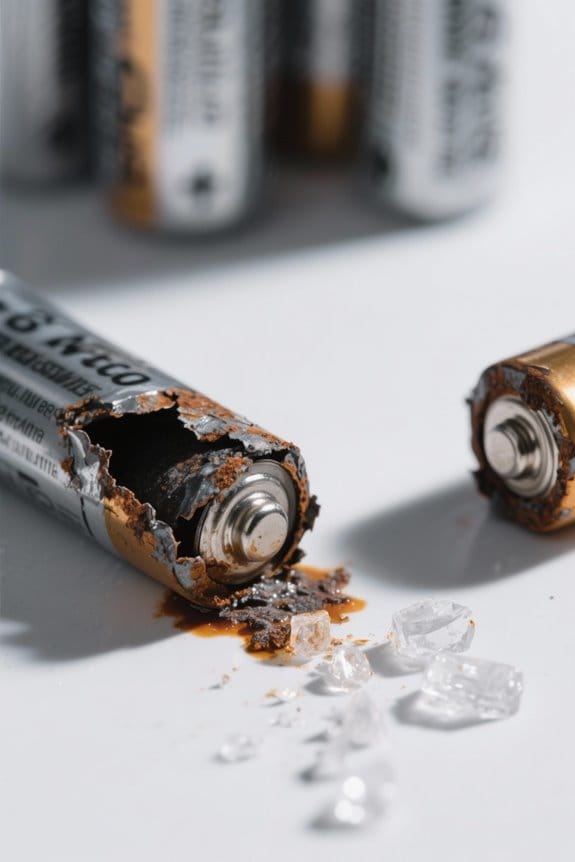
Each year, the United States sells approximately five billion single-use batteries, yet fewer than 10% are recycled, resulting in substantial waste accumulation and environmental pollution; this low recycling rate exacerbates hazards from metals such as mercury, cadmium, and lead, which leach into soil and water supplies over time as non-recycled batteries accumulate in landfills. Disposable batteries contribute greatly to landfill contamination due to material toxicity and the persistence of plastic pollution, which compounds ecological degradation. Despite available recycling options provided by organizations like Call2Recycle and earth911.com, public awareness remains insufficient, limiting proper disposal practices. The environmental impact of these batteries underscores the necessity for enhanced education and expanded recycling infrastructure to mitigate harmful effects, emphasizing the continued risk posed by improper management of disposable battery waste on ecosystems and human health. Battery recycling is crucial as it reduces landfill waste and conserves natural resources, highlighting the importance of proper disposal practices.
Environmental Footprint of Battery Production
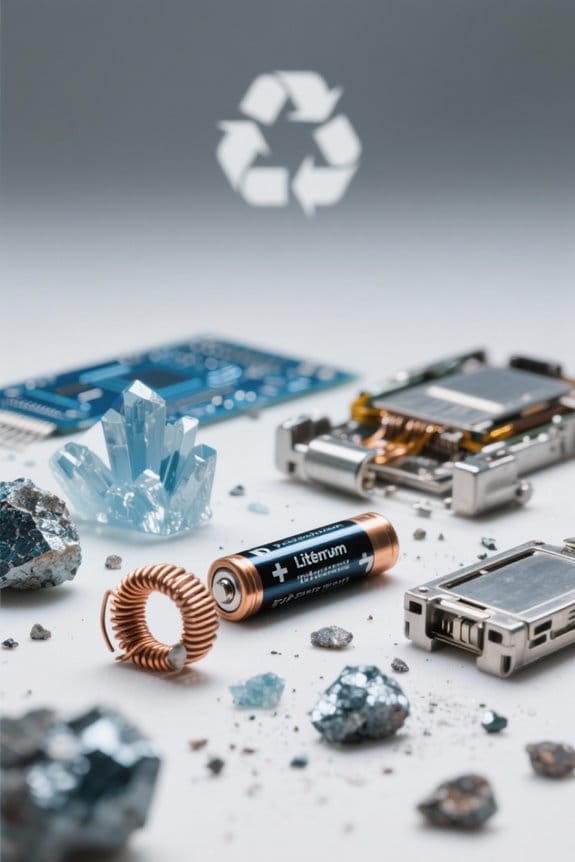
Although the environmental footprint of battery production varies considerably depending on the type and size of the battery, lithium-ion batteries are particularly intensive in greenhouse gas emissions, generating approximately 150 to 200 kilograms of CO2 per kilowatt-hour produced, with nearly 40% of these emissions attributable to the mining and refining of raw materials. Manufacturing emissions for a single 30 kWh rechargeable battery reach about five tonnes of CO2, reflecting substantial environmental costs. Unlike disposable ones, which have lower initial manufacturing emissions but cause greater waste, rechargeable batteries can be used multiple times, mitigating some overall impact. However, mining rare materials affects ecosystems through resource depletion and degradation. While degradable materials offer promise, current production of rechargeable batteries remains energy- and resource-intensive, emphasizing the need for innovation to reduce environmental costs effectively. The energy efficiency of LED lights, which consume significantly less power, highlights the potential for reducing electricity consumption and environmental impact in parallel technological advancements.
Recommended Products

Items Include: 1 x Sony FX3 Full-Frame Cinema Camera, 1 x Sony FE 24-70mm f/2.8 GM II Lens, 1 x SecureDigital 64GB Extreme PRO Cmemory Card, 1 x 3 Piece Filter Kit, 1 x Soft Bag, 1 x NP-FZ100 Battery, 1 x Memory Card Reader, 1 x Photo Software With PhotoMirage, AfterShot, Painter Essentials, PaintShop Pro, and Video Studio, 1 x Flexible Tripod, 1 x Hand Strap, 1 x Memory Card Wallet, 1 x Lens Cap Keeper, 1 x Cleaning Kit, 1 x HDMI Cable


Items Include: 1 x Sony FX3 Full-Frame Cinema Camera, 1 x Lilliput A7S 7" Full HD Monitor, 2 x SecureDigital 64GB Extreme PRO Cmemory Card, 1 x Soft Bag, 3 x NP-FZ100 Battery, 1 x LED Light, 1 x Card Reader, 1 x Photo Software With PhotoMirage, AfterShot, Painter Essentials, PaintShop Pro, and Video Studio, 1 x VideoMicro Ultracompact Camera-Mount Shotgun Microphone, 1 x Tripod, 1 x Hand Strap, 1 x Memory Card Wallet, 1 x Lens Cap Keeper, 1 x Cleaning Kit and more...
Toxic Materials in Rechargeable and Disposable Batteries
The presence of toxic materials in batteries markedly influences their environmental and health risks, particularly when improper disposal occurs. Rechargeable batteries commonly contain hazardous materials such as cadmium, lead, and cobalt, which pose significant environmental impact concerns if not handled correctly. Approximately 98.3% of lithium-ion rechargeable batteries end up in landfills, risking leaching of toxic components into soil and groundwater, thereby affecting human health and ecosystems. In contrast, disposable batteries, mainly alkaline, consist of less toxic materials and fewer heavy metals, resulting in a comparatively lower environmental impact, especially regarding soil and water contamination. While rechargeable batteries require specialized facilities for recycling due to their complex chemical makeup, disposable batteries generally involve simpler materials and processes. These distinctions underline how toxic materials in battery types differentially influence pollution and health hazards. Additionally, the corrosion resistance of battery housings plays a crucial role in mitigating environmental damage, particularly in marine environments where exposure to water and salt can exacerbate the release of hazardous substances.
Recommended Products

SUPERIOR POWER OUTPUT - Delivers consistent and reliable illumination for professional-quality photos, ensuring every shot is perfectly lit with the Profoto A10's advanced flash technology.
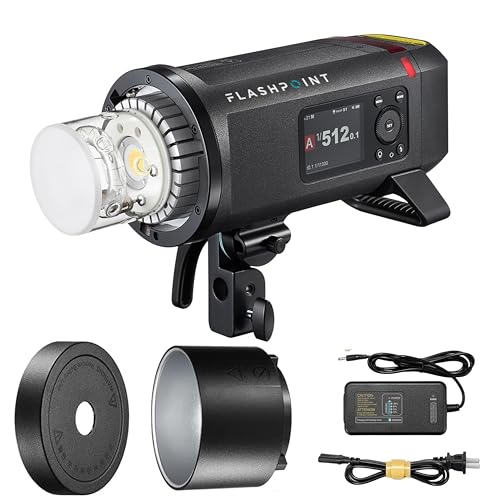
🔹PROFESSIONAL 800Ws OUTDOOR FLASH POWER: Powerful 800Ws battery monolight designed for demanding location and studio photographers. The Flashpoint XPLOR 800 Pro delivers studio-class output in a compact, portable body—perfect for portraits, fashion, sports, commercial, and outdoor daylight shooting.

STUDIO QUALITY LIGHT: This Wireless Studio Flash offers 600Ws, 9 steps of power adjustment (1/1 to 1/256) for better light effects, 5600±200K. Can be used in combination with Flashpoint TTL Camera Strobe Light and other TTL Outdoor Flashes
The Role of Recycling in Battery Sustainability
Sustainability in battery usage fundamentally depends on effective recycling processes, which currently recover only about 5% of lithium-ion batteries, revealing substantial opportunities for improvement in material reclamation. Recycling rechargeable batteries enables the recovery of valuable materials such as cobalt, nickel, and lithium, reducing the environmental impact associated with mining raw resources. Improper disposal of batteries releases hazardous substances that can contaminate ecosystems, underscoring the necessity of responsible recycling to protect soil and water quality. Certified mercury-free chemistries in batteries, such as alkaline and NiMH, are crucial for reducing toxic environmental impact while maintaining performance standards. Regulatory measures in regions like the UK mandate producers to fund battery recycling programs, thereby enhancing sustainability in battery lifecycle management. Organizations like Call2Recycle facilitate consumer participation by providing accessible recycling options, promoting environmental stewardship, and minimizing waste. Overall, increased recycling rates are critical to advancing the sustainability of rechargeable batteries and mitigating their ecological footprint.
Health Risks Linked to Battery Chemicals
How do chemicals contained in rechargeable batteries pose health risks to individuals and communities? Rechargeable batteries often include heavy metals such as lead and cadmium, whose improper disposal can cause significant health risks including neurotoxicity and respiratory problems. Lead exposure particularly affects the nervous system, potentially causing developmental delays in children, while cadmium, a human carcinogen found in nickel-cadmium batteries, may induce severe respiratory disease. Additionally, lithium-ion batteries, when damaged or improperly discarded, can leach toxic substances, causing environmental contamination of soil and water, which indirectly impacts public health. Fire and explosion hazards increase risks to users and waste handlers. Collectively, these health risks underscore the necessity for stringent battery management protocols to minimize exposure and environmental damage. Battery holders made from durable materials help ensure the safe and secure containment of batteries, preventing damage and leakage.
Comparing Carbon Emissions: Rechargeable Vs Disposable
Noticeable differences exist in carbon emissions produced by rechargeable and disposable batteries, stemming primarily from their distinct manufacturing processes and usage patterns. Rechargeable batteries generate approximately 150–200 kg of CO2 per kWh during production, largely due to intensive mining and refining, while disposable batteries emit less initially but accumulate higher emissions across their lifecycle because of widespread disposal and landfill waste. A typical rechargeable battery must be recharged about 50 times to offset its upfront environmental impact compared to single-use alkaline batteries, which are discarded after one use, contributing substantially to landfill mass. Given these factors, lifecycle assessments emphasize that consumer choices notably influence overall environmental impact, with proper disposal and preference for rechargeable batteries helping to reduce carbon emissions and mitigate pollution associated with landfill waste and battery disposal. Rechargeable batteries offer significant long-term advantages, including over 1000 charge cycles and reduced toxic waste, making them an eco-friendly choice for consumers.
Recommended Products
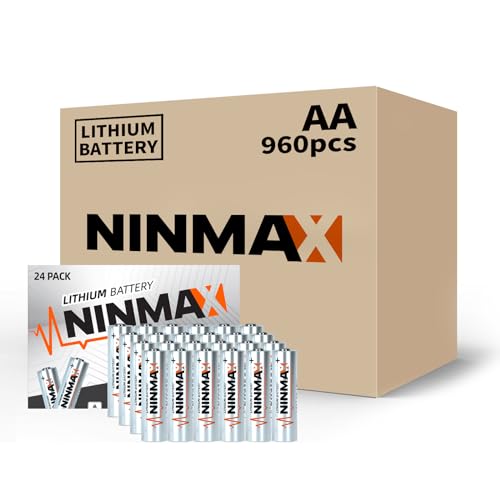
【3500mAh LONG-LASTING DURABLE】 NINMAX new upgraded 3500mAh lithium AA batteries high-performance constant output, using high-density materials to accumulate amazing energy.

【3500mAh LONG-LASTING DURABLE】 NINMAX new upgraded 3500mAh lithium AA batteries high-performance constant output, using high-density materials to accumulate amazing energy.
【3500mAh LONG-LASTING DURABLE】 NINMAX new upgraded 3500mAh lithium AA batteries high-performance constant output, using high-density materials to accumulate amazing energy.
Economic Factors Influencing Battery Choices
Beyond environmental implications, the financial considerations underlying battery selection play a considerable role in consumer decisions, influenced by both upfront expense and long-term value. Disposable batteries, costing about 50 cents each in a 36-pack, offer immediate convenience without charging equipment, yet their single-use nature increases replacement frequency and environmental footprint. In contrast, rechargeable batteries, priced around $3.50 per unit in a four-pack plus charging apparatus, present a higher initial cost; however, their ability to undergo 500 to 1,000 cycles meaningfully lowers effective cost per use and enhances economic savings over time. Consumer behavior, including usage frequency and disposal practices, critically affects these economic trade-offs, with well-informed choices supporting both cost efficiency and reduced environmental impact. Consequently, initial cost must be balanced against longer-term value and sustainability considerations. Rechargeable options mitigate environmental impact due to their reduced waste compared to non-rechargeable batteries, making them a sustainable choice for frequent users.
Recommended Products

3500mah No.1 Long-lasting - 512 Pack 3500mAh AA lithium batteries, you can feel the power overwhelming, especially on devices which draw more energy.

【3500mAh LONGEST-LASTING】 NINMAX new upgraded 3500mAh lithium aa batteries have high-performance constant output, using high-density materials to accumulate amazing energy.
【3500mAh LONGEST-LASTING】 NINMAX new upgraded 3500mAh lithium aa batteries have high-performance constant output, using high-density materials to accumulate amazing energy.
Sustainable Alternatives and Future Perspectives
Although rechargeable batteries currently produce approximately 150 to 200 kilograms of CO2 per kilowatt-hour during manufacturing—mainly due to lithium and cobalt extraction—emerging technologies such as solid-state batteries and biodegradable alternatives offer pathways to greatly reduce environmental impacts across their lifecycle; solid-state batteries demonstrate higher energy density and enhanced safety by utilizing solid electrolytes instead of flammable liquids, while biodegradable variants are engineered to decompose naturally, thereby minimizing pollution from disposal, which remains critical given that only about 5% of lithium-ion batteries are recycled and over 98% ultimately contribute to landfill accumulation. Battery testers utilizing compact, durable designs with efficient and accurate measurements are pivotal in prolonging battery life and reducing waste. Government regulations targeting improved recycling and management programs are essential to increase recycling rates and mitigate pollution, ensuring sustainable alternatives become more viable in reducing the environmental impact of lithium-ion batteries and advancing biodegradable battery technologies for future energy solutions.
Recommended Products
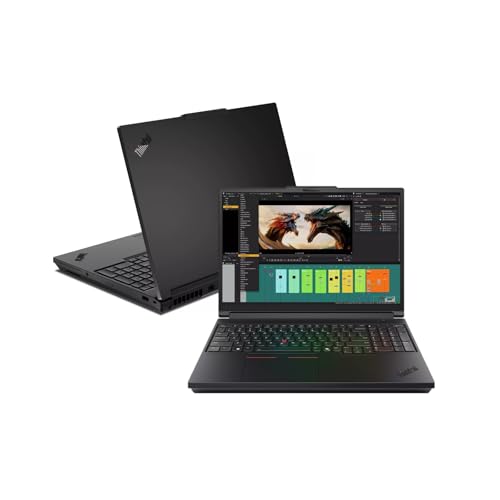
Display: 16" 3.2K (3200x2000) VRR 40-120Hz Tandem-OLED Touch Display (100% DCI-P3)

【Global Walkie Talkie Unlimited Range】Cellular POC ptt walkie talkies technology for seamless rapid unlimited range coverage —whether 50 miles,100 miles,500 miles,1000 miles or even 10,000 miles apart. The 4g lte SIM card is pre-inserted for you.Just unbox, power on, and enjoy crystal clear instant rapid communication across California to New York, cities, states, and countries. Connectivity relies on robust nationwide cellular towers for reliable coverage. FCC ID: 2BK59-M12

Next-Level AI Performance:Powered by the Intel Evo Edition Core Ultra 9 (Series 2), this LG laptop delivers 47 NPU TOPS for blazing-fast AI acceleration. Seamlessly run Copilot+ AI features, multitask effortlessly, and boost productivity with Windows 11 Pro
Frequently Asked Questions
How Long Do Rechargeable Batteries Typically Last Compared to Disposable Ones?
Ironically, rechargeable batteries outlive disposables by hundreds of charging cycles, showcasing superior performance longevity and usage efficiency. Despite a higher initial cost, their lifetime comparison reveals reduced environmental footprint and better energy density, making cost analysis favorable.
Can I Use Rechargeable and Disposable Batteries Interchangeably in the Same Device?
Rechargeable and disposable batteries are generally not interchangeable devices due to battery compatibility and voltage differences. Using both in one device may cause performance issues, safety concerns, and require specific device specifications or charging equipment.
What Are the Best Practices for Safely Storing Unused Batteries?
Batteries rest like treasure chests, stored in cool, dry spaces per battery storage guidelines. Temperature control and moisture protection prevent damage. Child safety measures, clear labeling systems, long-term inventory, and regular inspection guarantee safe, organized preservation.
How Do Battery Disposal Regulations Vary by Country or Region?
Battery disposal regulations vary greatly by country, shaped by regional regulations and environmental policies. Effective collection programs and recycling initiatives depend on local laws, while consumer awareness influences hazardous waste management and adherence to proper disposal practices worldwide.
Are There Any Energy-Saving Tips When Using Rechargeable Batteries?
Like a well-tuned orchestra, energy efficient charging and power management techniques harmonize with battery longevity tips, charging cycle awareness, and maintenance strategies. Ideal usage practices and choosing eco friendly brands further elevate rechargeable battery performance sustainably.